

Energy-rich Middle Eastern economies are expected to recover from the Iran war, but the shock will have lasting effects, the International Monetary Fund’s regional director Jihad Azour said on Thursday.
“We will not go back to the pre-war trajectory in the medium term because this shock will have a scarring impact on various sectors,” Azour told reporters, citing infrastructure disruption and additional spending needed to strengthen resilience.
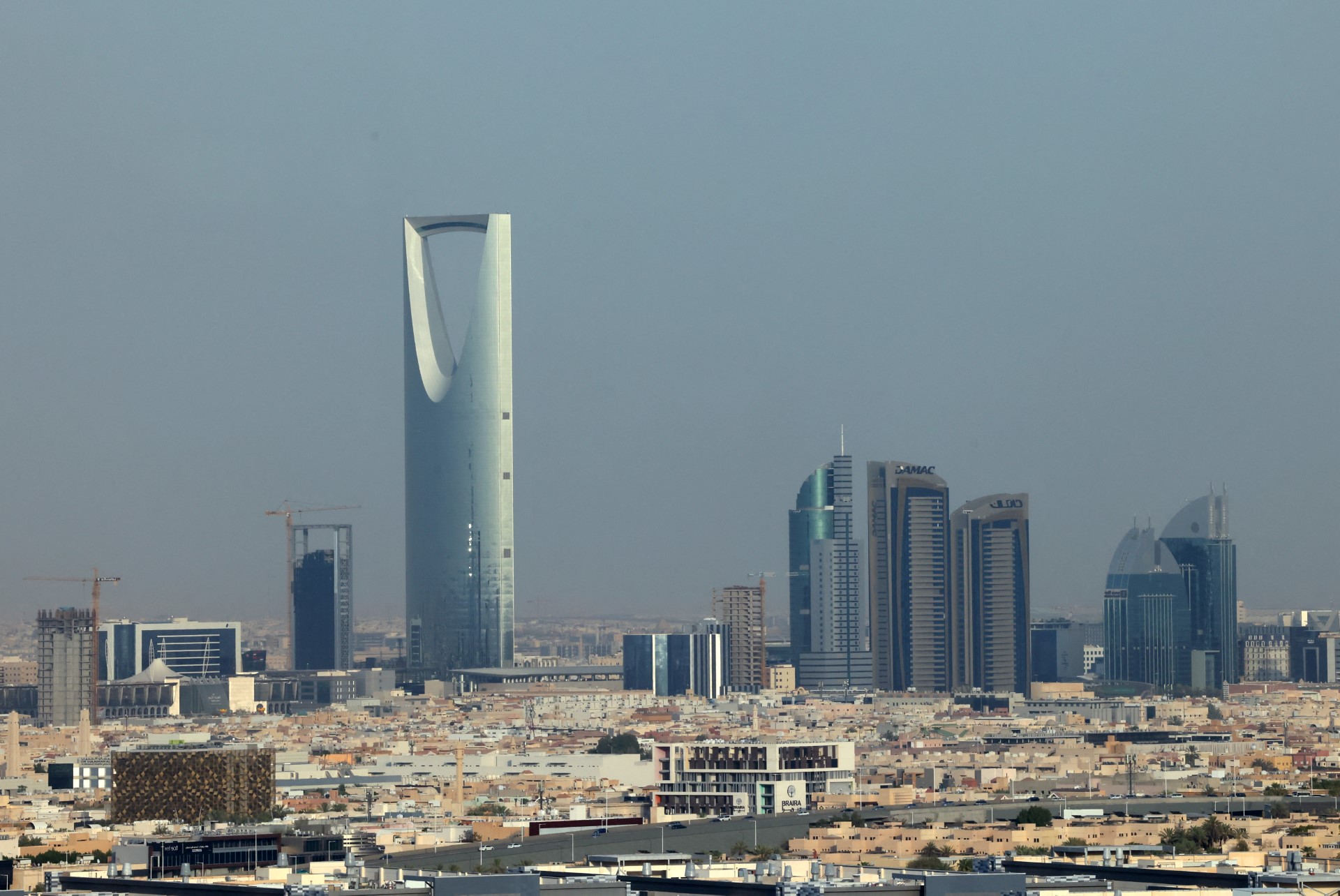
The IMF projects the Middle East and Central Asia region will contract 0.3 percent in 2026, reflecting its exposure to the conflict. Saudi Arabia is expected to suffer a 3.3 percent contraction, pointing to a rare recession for the kingdom, whose economy has long been supported by energy exports.
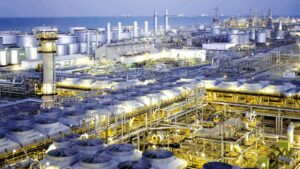
The warning comes as fighting involving Saudi Arabia and Yemen’s Houthis has escalated, with missile strikes hitting airports and energy facilities, including the headquarters of state oil giant Aramco.
IMF chief Kristalina Georgieva has also warned that attacks targeting Saudi Arabia could have repercussions far beyond the region.
UNDP warns of rising poverty as crises converge
Millions more people could fall into poverty as energy costs surge, interest rates rise and climate risks intensify, UN Development Programme chief Alexander de Croo told AFP on the sidelines of the IMF-World Bank Annual Meetings in Bangkok.
The UNDP warned in a new report that about 130 million people could be pushed into poverty this year if increases in energy and food prices were fully passed on without subsidies. South and East Asia and sub-Saharan Africa are particularly vulnerable.
De Croo said repeated crises had left many developing countries with little room to respond to the latest energy shock. Governments have used broad subsidies to cushion consumers, but mounting debt and previous emergencies have depleted their financial buffers.
“You have to repair your roof while at the same time your home is on fire,” he told AFP, describing the challenge facing governments that have little time to recover between successive crises.
The IMF has warned that global growth has remained resilient partly because of investment in artificial intelligence, while poorer countries without exposure to that boom continue to struggle.
Rising debt costs constrain developing economies
Higher global borrowing costs are further limiting developing countries’ ability to respond to economic shocks, as elevated inflation expectations and rising debt levels push up yields.
According to the UNDP, the median developing country now spends about 9.5 percent of government revenue on interest payments, the highest proportion in 25 years and more than three times the share in high-income countries.
De Croo said the burden was reducing governments’ capacity to act, urging advanced economies and multilateral institutions to invest in growth, resilience and job creation across the developing world.
He also warned that cuts in international aid were adding to the pressure on vulnerable countries.
The UNDP has flagged further risks from this year’s El Niño climate phenomenon, which is forecast to be exceptionally strong and could bring widespread flooding, droughts and other extreme events, with impacts expected to peak in early 2027.
De Croo called for private capital to help address some of the most severe consequences of climate change.