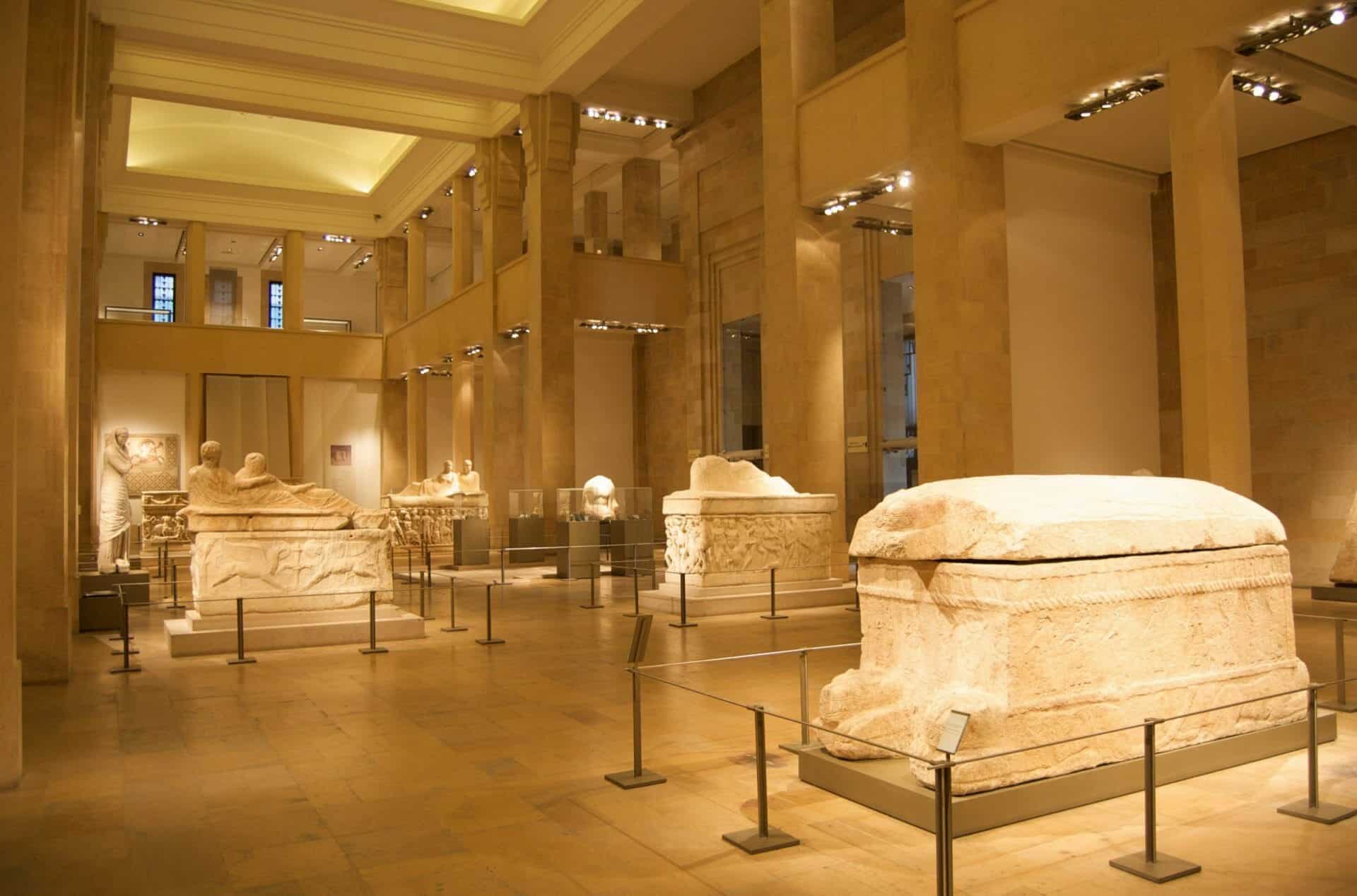

The United Nations Educational, Scientific and Cultural Organization, or Unesco, has been working for more than three months to polish the National Museum of Beirut as it gears up to reopen to the public.
Unesco, in a statement, explained that the museum has been harmed numerous times, mainly during the 15 years of civil war.
It also saw quite some carnage due to last year’s Beirut port blast, which reports say killed more than 4,000 people.
Despite all these, the museum has been “refurbished each time, its priceless collections always saved by miracle,” said Unesco.
It explained that while visitors are now getting ready to rediscover these collections as the museum reopens soon, few know that a whole different world exists in the basements of the museum.
It is in these basements, it said, that “a small team has been working for more than three months to carry out a rescue mission that is long overdue.”
The basements serve as a repository for collectibles and invaluable pieces, some dating back to the Bronze Age and up until the Ottoman period.
They include funerary stelae, statuettes, sarcophagi, capitals and lintels. These are currently being scrutinized for inventory, classification, and storage.
Unesco has financed this project, called the Li Beirut initiative, and also provided specialized shelves to preserve these works of arts.
Li Beirut is an international flagship initiative launched from Beirut by the Director-General of Unesco, Audrey Azoulay, in the aftermath of last year’s Beirut port explosions.
Its aim is to support the rehabilitation of schools, historic heritage buildings, museums, galleries and the creative industry, all of which suffered significant damage in the blasts.