
The United Nations has started delivering fuel for healthcare and water-supply facilities in Lebanon, according to a statement.
This comes even as the country’s central power company has said it may run out of fuel to generate electricity by the end of the month.
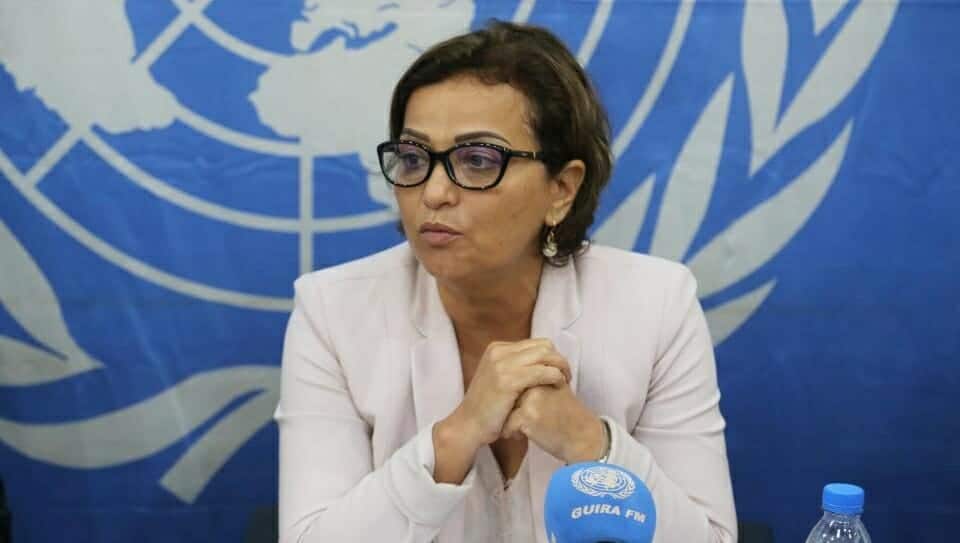
UN Deputy Special Coordinator for Lebanon, Resident and Humanitarian Coordinator Najat Rochdi has announced that Lebanon will get fuel to keep its healthcare and water-supply facilities for the next three months.
She was quoted as saying in the statement: “In order to mitigate additional suffering and preventing loss of lives, I have asked the World Food Program (WFP) in Lebanon, as the global humanitarian lead on logistics, to develop an emergency fuel-supply plan to maintain critical health, water and sanitation services for the most vulnerable populations and prevent the discontinuation of lifesaving activities implemented by humanitarian actors.”
This three-month plan has reportedly been developed in collaboration with Unicef, WHO, and the NGOs working on health and water, health, and sanitation (WASH) issues.
It is expected to provide fuel to all public hospitals, primary healthcare centers, and dispensaries servicing the most vulnerable communities in the different regions in Lebanon.
It will reportedly help an estimated 2.1 million people every year.
It is also expected to provide fuel to four water establishments to secure continuous water supply to about 2.3 million people across the country, at a time when Lebanon is already staring down a massive loss of water supply.
Rochdi clarified: “The implementation of this emergency fuel supply plan will not impact existing national fuel reserves, nor will the program interrupt future national fuel deliveries.”
She added: “All fuel will be purchased at a non-subsidized rate and add to the existing national fuel stocks.”