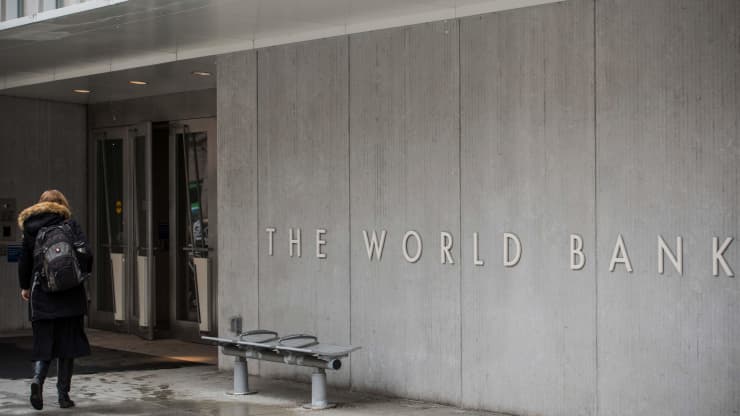

The World Bank’s fund to help the world’s poorest nations got a $93 billion injection of cash to help scale up aid for pandemic recovery and other programs, the institution announced Wednesday.
It was the biggest replenishment ever for the International Development Association (IDA), which provides grants for 74 countries, most of which are in Africa, the Washington-based development lender said.
The package includes $23.5 billion of contributions from 48 high- and middle-income countries as well as financing raised in the capital markets and the World Bank’s own contributions, according to a statement.
“Today’s generous commitment by our partners is a critical step toward supporting poor countries in their efforts to recover from the Covid-19 crisis,” World Bank President David Malpass said.
The IDA fund is replenished every three years, but because of the pandemic, the latest cash injection was pulled forward by a year and will be in place through June 2025.
The World Bank said the funds will help countries better prepare for future crises, including pandemics, financial shocks and natural disasters.
While the funds will support countries globally, resources are increasingly going to Africa, which will receive about 70 percent of the funding.