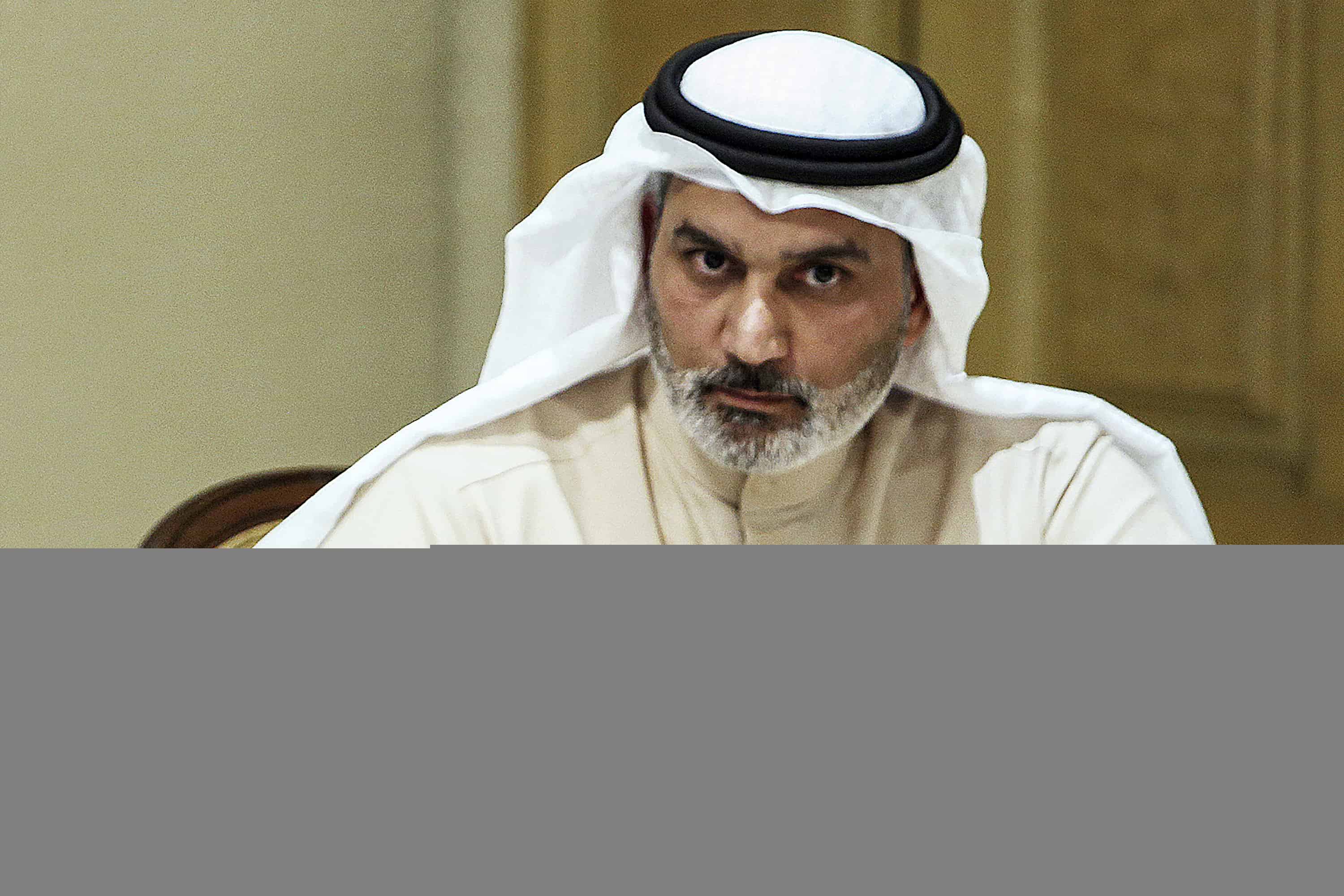

Top oil producing countries on Monday picked Kuwaiti oil executive Haitham al-Ghais as the next secretary general of the Organization of the Petroleum Exporting Countries (OPEC).
Al-Ghais, who was Kuwait’s OPEC governor from 2017 to June 2021, serves as a deputy managing director of the Kuwait Petroleum Corporation (KPC).
His decades of experience in the industry include stints in Beijing and London for the state oil corporation.
OPEC said in a statement that al-Ghais was appointed by acclamation and will take up his three-year post on August 1.
He will replace Nigeria’s Mohammed Barkindo, who took over the helm of the organization in 2016 and led it for two terms.
It was during Barkindo’s tenure that the grouping drastically slashed oil output in 2020 as the coronavirus pandemic hit global markets.
Last year, OPEC and 10 allies including Russia began to gradually open the tabs again, and prices have bounced back.
The Vienna-based organization comprises 13 members led by Saudi Arabia which fix output to control prices along with the 10 other countries in a grouping dubbed OPEC+.
So far OPEC+ has resisted pressure by top oil consuming nations, such as the United States, to more aggressively boost production.
A monthly OPEC+ meeting of all 23 members via videoconference on Tuesday is expected to continue to stay the course and modestly boost output.
The OPEC general secretary has no executive power, but is the public figure of the organization, which represents countries with divergent interests, such as Saudi Arabia and Iran.
The group in its statement credited Barkindo with being “instrumental in expanding OPEC’s historical efforts to support sustainable oil market stability through enhanced dialogue and cooperation with many energy stakeholders” in the face of the pandemic.