
The Asian Development Bank on Wednesday cut its 2022 growth forecast for developing Asia, with crippling Covid-19 lockdowns in China, conflict in Ukraine and efforts to combat inflation dragging on the region.
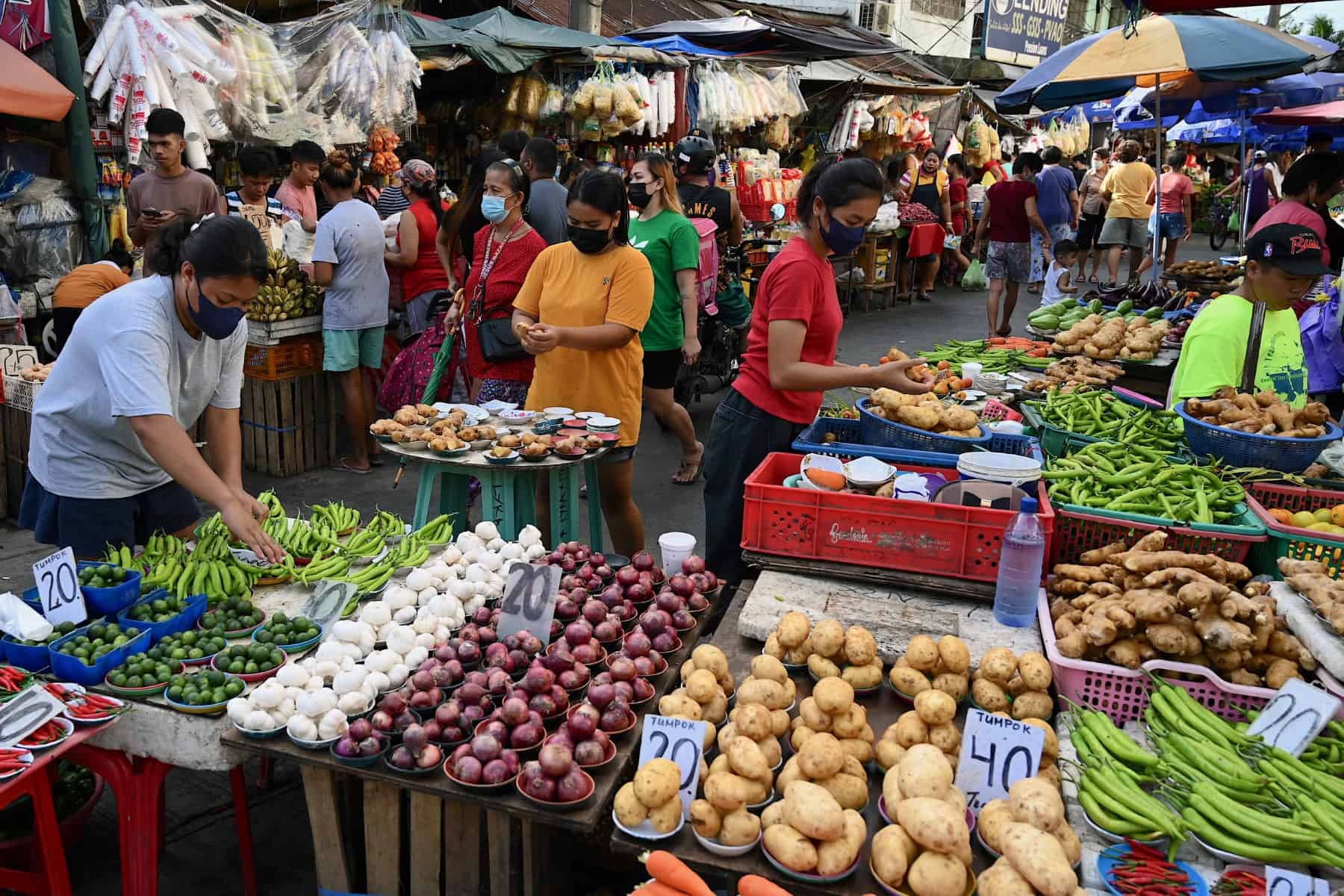
While easing pandemic restrictions had spurred consumer spending and investment in the region, the Philippines-based bank warned of “global headwinds” to the recovery as food and fuel prices soared and central banks hiked interest rates.
As a result, the bank slashed its 2022 growth forecast for developing Asia — which refers to the 46 members of the ADB, stretching from the Cook Islands in the Pacific to Kazakhstan in Central Asia — to 4.3 percent.
That compares with its April forecast of 5.2 percent growth. The region grew by 7.0 percent in 2021.
ADB chief economist Albert Park warned “risks loom large” for the region’s outlook and urged governments to remain “vigilant”.
“A significant downturn in the world economy would severely undermine demand for the region’s exports,” Park said.
“Stronger-than-expected monetary tightening in advanced economies could lead to financial instability. And growth in the PRC (China) faces challenges from recurrent lockdowns and a weak property sector.”
China’s growth forecast for 2022 was reduced to 3.3 percent from 5.0 percent, as Beijing pursues a zero-Covid strategy that has devastated the world’s second-largest economy.
Chinese officials are under pressure to curb even the smallest virus outbreaks swiftly, ahead of a key political meeting in October where President Xi Jinping is expected to secure an unprecedented third term.
Officials have imposed targeted lockdowns and travel restrictions, disrupting businesses and forcing millions of people to stay home.
Park said the slowdown was “weighing heavily” on the region’s projections.
Excluding China from the overall forecast, the rest of developing Asia will grow 5.3 percent.
“For the first time in more than three decades, the rest of developing Asia will grow faster than (China),” the ADB noted.
The bank also raised its inflation forecast to 4.5 percent from 3.7 percent, as Russia’s invasion of Ukraine and supply chain disruptions drive up food and energy prices.
While monetary policymakers in the region have hiked interest rates, some central banks may need to do more to tame inflation and prevent capital outflows, it said.