
Doha—Qatar wants the 2022 World Cup mascot of a flying white headdress to symbolize football’s showcase tournament, just as the noisy vuvuzela horn did when South Africa hosted it in 2010.
A flying keffiyah headdress named La’eeb, meaning super skilful player in Arabic, is the official World Cup mascot and is omnipresent on billboards across Qatar and on television.
“La’eeb is a fun and mischievous character who comes from the mascot-verse, a parallel world where all tournament mascots live,” world football’s governing body FIFA said in its announcement.
“He will bring the joy of football to everyone.”
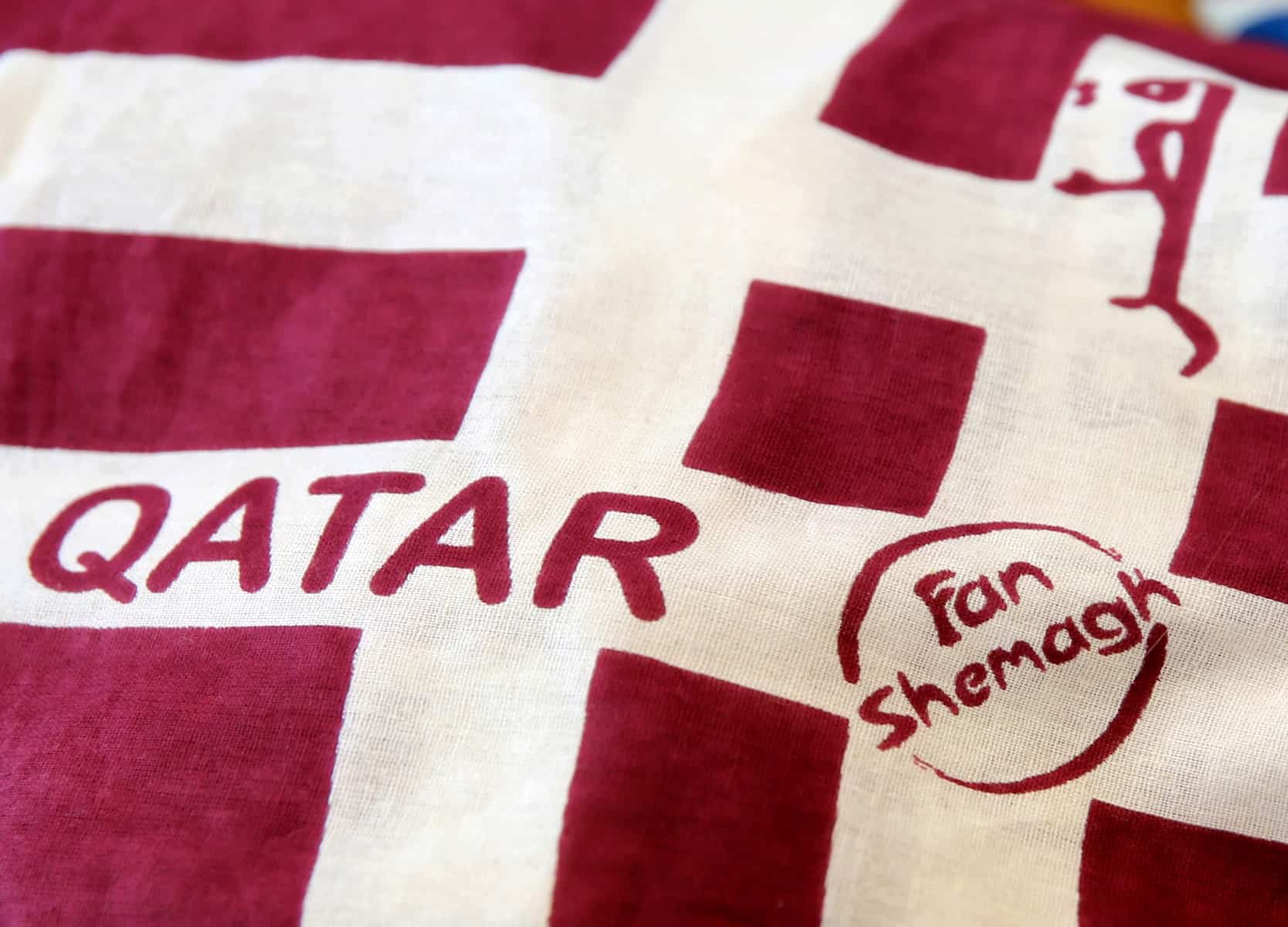
The keffiyeh headdress, also known in the Gulf as a shemagh or a ghutra, is designed to protect against the sun, sand and dust.
La’eeb has been adopted by some internet blockchain communities in China which have issued tokens bearing the mascot’s likeness.
Qatar’s World Cup organizers would like to see a repeat of the Club 2019 World Cup championship when players from the Mexican side Monterrey wore keffiyehs after winning a match.
Bertrand Roine, who won the world handball title with France and then moved to play for Qatar, has with his business partner developed the keffiyeh’s link to the World Cup by designing headdresses in the national colors of the 32 countries taking part.
Roine hopes the colorful scarves will become “symbol” of the games.
“One friend told me, you have made a vuvuzela for Qatar,” he said.
South Africa’s deafening vuvuzela plastic horns blew their way to worldwide notoriety with fans enthusiastically honking them at every goal.