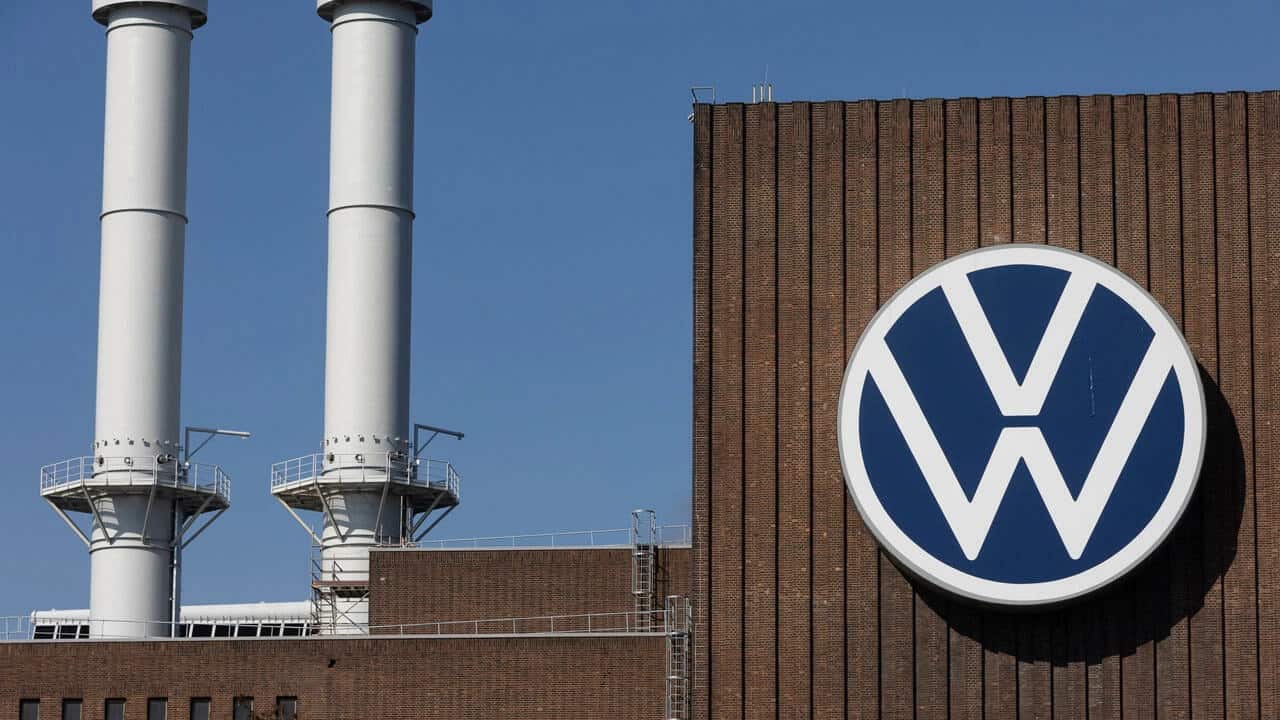

BERLIN, GERMANY – Volkswagen is investing US$2.3 billion dollars (2.4 billion euros) in a joint venture with China’s Horizon Robotics, the German auto giant said Thursday, despite a growing debate over Berlin’s economic relationship with Beijing.
The partnership with VW’s software arm, Cariad, is intended “to speed up customization of automated driving solutions for the Chinese market”, the group said in a statement.
Ralf Brandstaetter, a member of the management board for Volkswagen in China, said the move was “a central cornerstone of our strategy to realign and further strengthen our activities in our most important market worldwide”.
Cariad will hold a 60 percent stake in the new company, with the deal set to close in the first half of 2023.
As part of its transition to electric vehicles, Volkswagen has long been investing in China and has already created several joint ventures there, particularly in the field of batteries.
However, the German government’s relationship with Beijing has been soured lately by China’s strict zero-Covid policy, the escalation of tensions over Taiwan and concern over human rights issues in the Muslim-dominated Xinjiang region.
Reliance on raw materials from China has also become a key concern after Germany’s dependence on Russia became its Achilles heel when Moscow invaded Ukraine.
In May, Germany refused investment guarantees in China to Volkswagen due to concerns over human rights abuses in Xinjiang, where the auto giant has a facility.
Former Volkswagen CEO Herbert Diess in June said he was “concerned about the basic attitude of the German government towards China”.
Germany would have “less growth, well-being and employment” without a strong partnership with China, Diess told Der Spiegel magazine.
German carmaker Opel in September said it had stepped back from a planned entry into the Chinese market.
Chancellor Olaf Scholz has said that Germany should not decouple its economy from countries including China.
But Foreign Minister Annalena Baerbock has also warned that Berlin should “no longer make ourselves existentially dependent on any country that does not share our values”.