
Colombo, Sri Lanka–Sri Lanka’s president said Tuesday that China had agreed to restructure its loans to the bankrupt island nation, clearing the final obstacle to an International Monetary Fund bailout.
China’s state-owned Exim Bank “sent a letter to the IMF” on Monday night expressing Beijing’s willingness to “restructure” credit to Sri Lanka, Ranil Wickremesinghe told parliament.
Wickremesinghe added that he expected the first tranche of the IMF package to now be released within the month.
“No sooner the letter from the Exim Bank of China went to the IMF, I signed Sri Lanka’s Letter of Intent to go with the IMF programme,” he said.
Also read: Crises put Gulf investments in Sri Lanka at stake
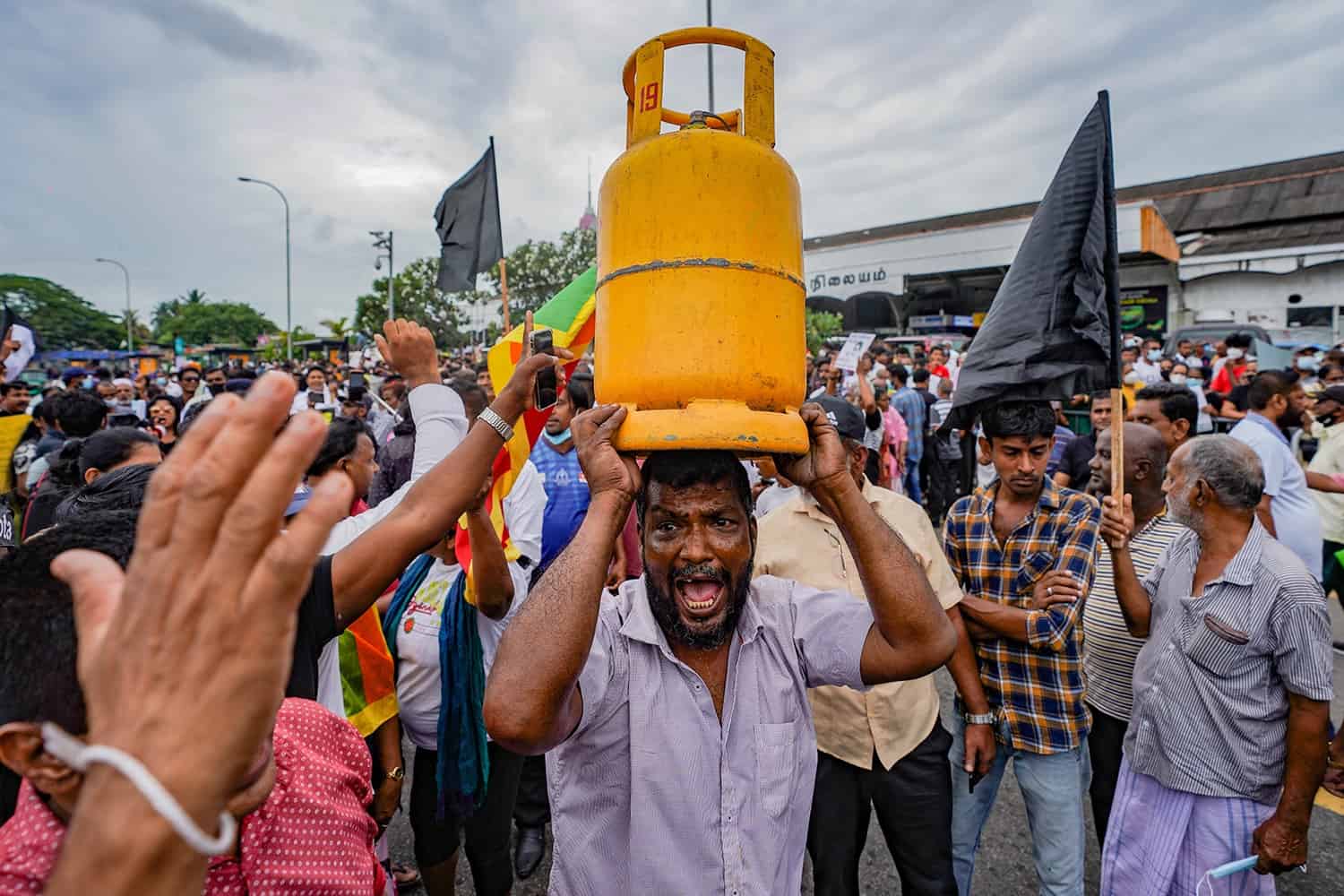
Sri Lanka defaulted on its $46-billion foreign debt last April during its economic crisis, which caused months of food and fuel shortages around the South Asian nation.
Just over $14 billion of that is bilateral debt owed to foreign governments, of which China holds 52 percent.
Wickremesinghe’s government has been working to secure a $2.9 billion rescue package from the IMF to restore Sri Lanka’s ruined public finances.
His administration has imposed sharp tax hikes, ended subsidies on petrol and electricity, and made plans to sell off loss-making state enterprises to satisfy the terms of the bailout.