
UNITED NATIONS – UN Secretary General Antonio Guterres called on wealthy countries on Monday to move up their goals of achieving carbon neutrality as close as possible to 2040, mostly from 2050 now, in order to “defuse the climate time bomb.”
Introducing a capstone report by the Intergovernmental Panel on Climate Change on the impacts and trajectory of global warming, Guterres delivered a blunt assessment of the challenge to prevent climate catastrophe.
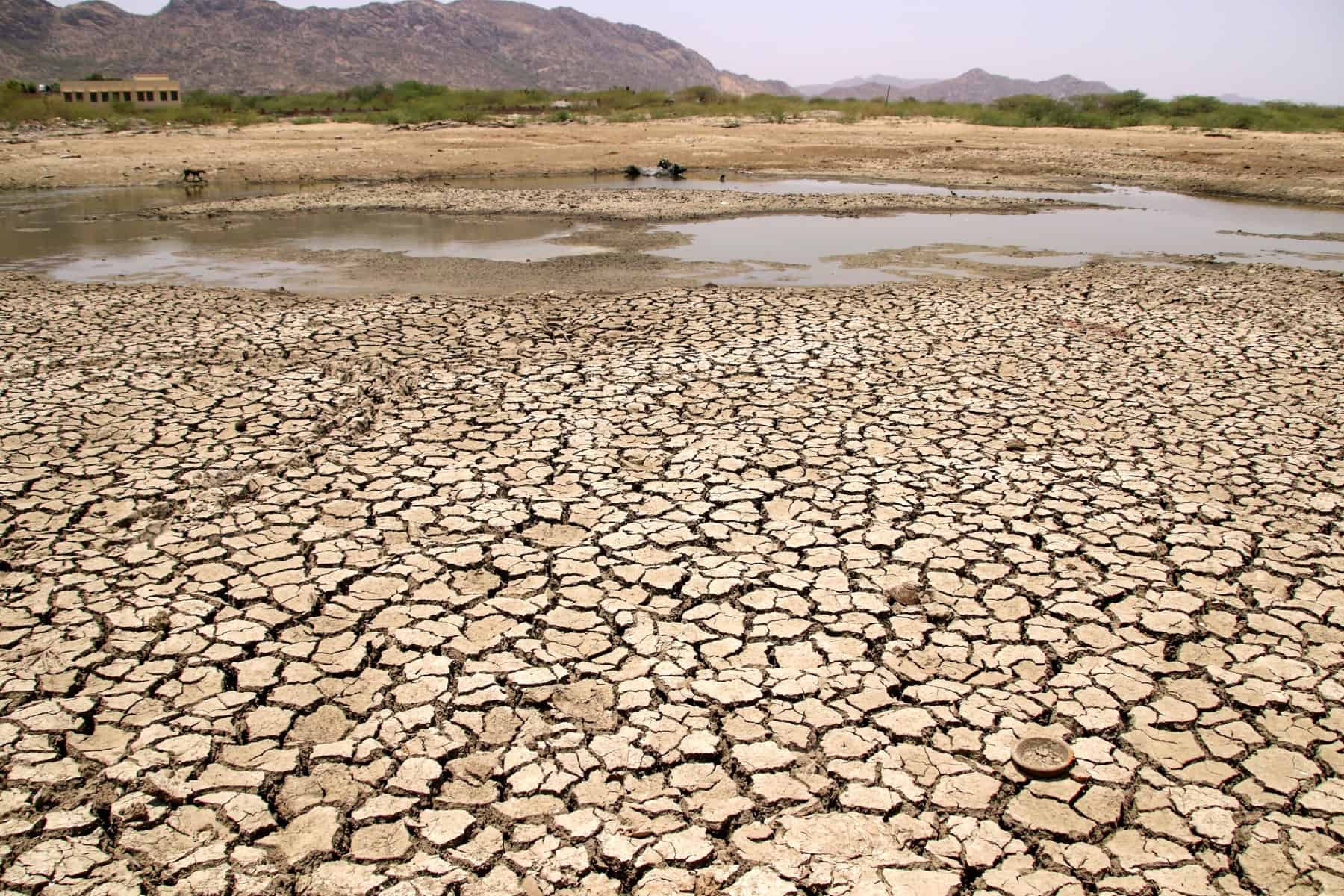
“Humanity is on thin ice – and that ice is melting fast,” the United Nations chief said in a video message as the IPCC experts group issued its latest report, which he likened to “a survival guide for humanity.”
Guterres said the world still has time to limit average temperature increases to 1.5 degrees Celsius (2.7 degrees Fahrenheit) compared to pre-industrial times but this requires “a quantum leap in climate action” by all countries in all sectors.
“It starts with parties immediately hitting the fast-forward button on their net zero deadlines,” Guterres said, but he acknowledged countries have different levels of responsibility and ability to change course.
Rich countries should commit to achieving carbon neutrality as close as possible to 2040, he said, “the limit they should all aim to respect.”
As things stand now most rich countries have set their goal at 2050 but some are more ambitious, like Finland (2035), or Germany and Sweden (2045).
Leaders in emerging economies must commit to reaching net zero as close as possible to 2050, he said without naming any specific nation.
Major countries in this category have set more distant goals like China (2060) and India (2070).
Guterres, who will hold a climate action summit in September, again stressed the role of the Group of 20 – the world’s largest economies and Europe – which together are responsible for 80 percent of global greenhouse gas emissions.
“This is the moment for all G20 members to come together in a joint effort, pooling their resources and scientific capacities as well as their proven and affordable technologies through the public and private sectors to make carbon neutrality a reality by 2050,” Guterres said.