
-
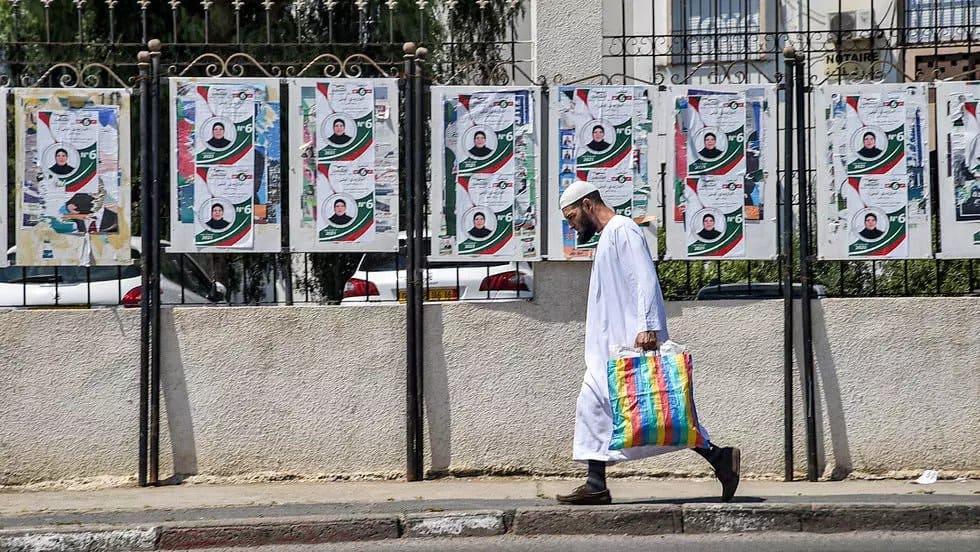
23 percent turnout seen as a sign of Algerians’ disillusionment with the political class
-
FLN secures 98 of 407 seats in the parliament
Algerian President Abdelmadjid Tebboune on Saturday began consultations for the formation of a new government, a statement from his office said, following a parliamentary election marked by low turnout.
Algeria’s incumbent National Liberation Front (FLN) won the most seats in the June 12 vote that saw record levels of abstention, with the turnout at just 23 percent.
Prime Minister Abdelaziz Jarad on Thursday presented his government’s resignation to Tebboune, who asked him to continue handling current affairs.
“In the context of broad political consultations to form a government, President Abdelmadjid Tebboune received (on Saturday) the Secretary-General of the National Liberation Front, Abou El Fadhl Baadji, and members of the political bureau,” a presidency statement said.
“The president also received a delegation representing independents, led by Abdelwahab Ait Menguelet,” the mayor of Tizi Ouzou, it added.
Ait Menguelet headed an independent list in an electorate where the participation rate was less than one percent.
Consultations are scheduled to continue until Wednesday.
The record abstention rate has been seen as a sign of Algerians’ disillusionment with and defiance of a political class deemed to have lost much of its credibility.
The ruling FLN, which emerged from Algeria’s long struggle for independence from France in 1962 and was the country’s sole party until the first multiparty elections in 1990, secured 98 of the parliament’s 407 seats.