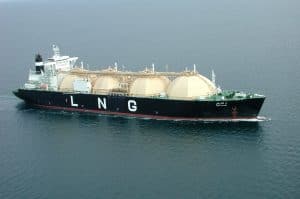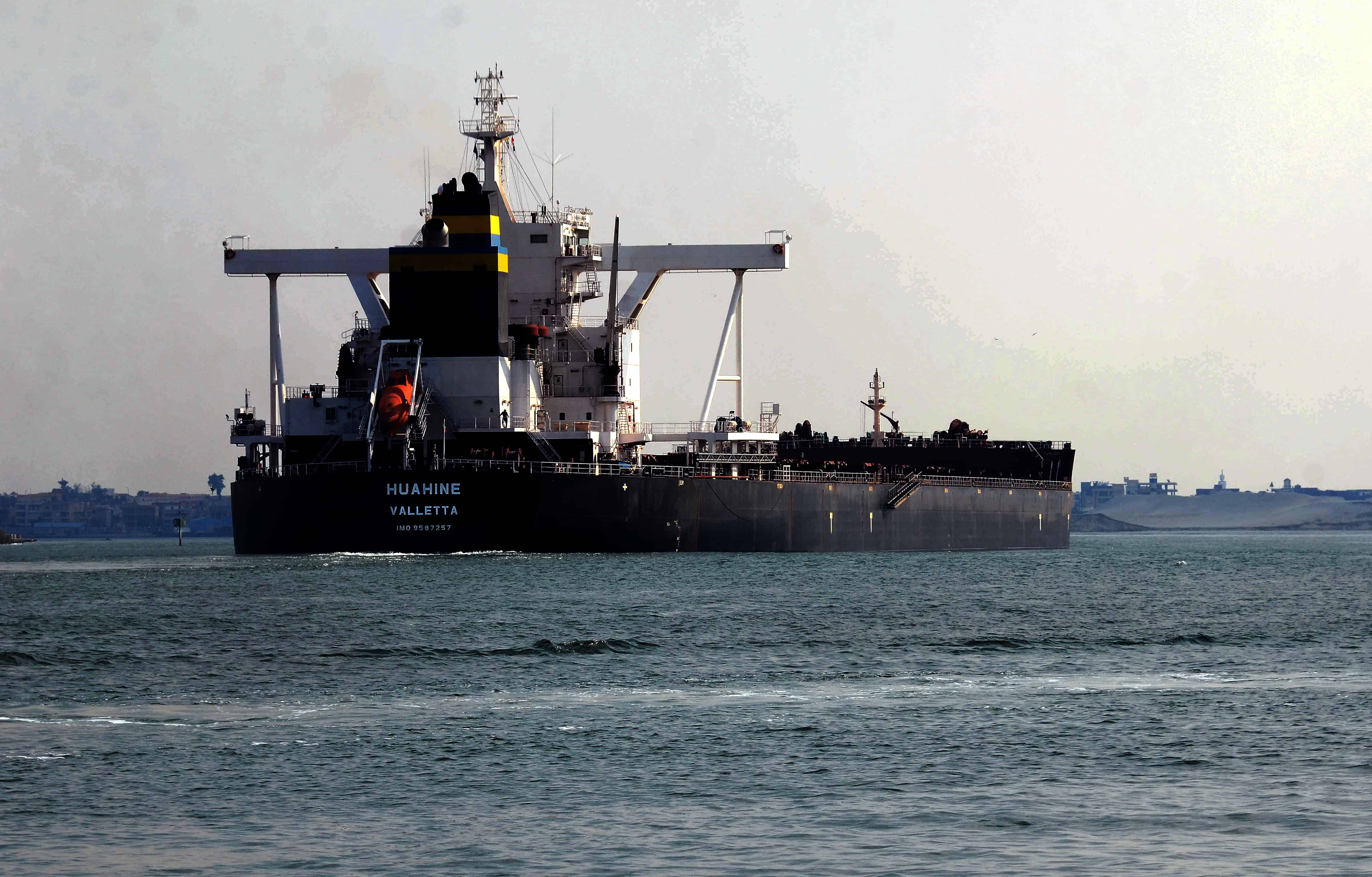

The Suez Canal has seen a fifteen percent jump in business as ships carrying wheat and gas have filled the waterway in recent months.
The head of the waterway’s authority Osama Rabie told the local media that transit fees can be increased or decreased any time according to the market conditions.
To compensate for part of the lack of trade in the Black Sea, Asian imports will go to areas far from the Suez Canal, Rabie explained.
Grain exports will make their way to Northwestern Europe while iron exports will go to Canada and Northwestern Europe.
These repercussions will affect the Suez Canal and slow down the movement of trade coming from the Black Sea, the head disclosed.
Moreover, the Suez Canal will begin applying additional fees, ranging from 5 to 10 percent of the transit fees, for various categories of ships transiting the channel. This mostly applies to ships operating on shipping lines that do not achieve optimum abundance of the channel.
The fees are subject to continuous evaluations and follow-ups to ensure that they meet conditions of the maritime transport market.