
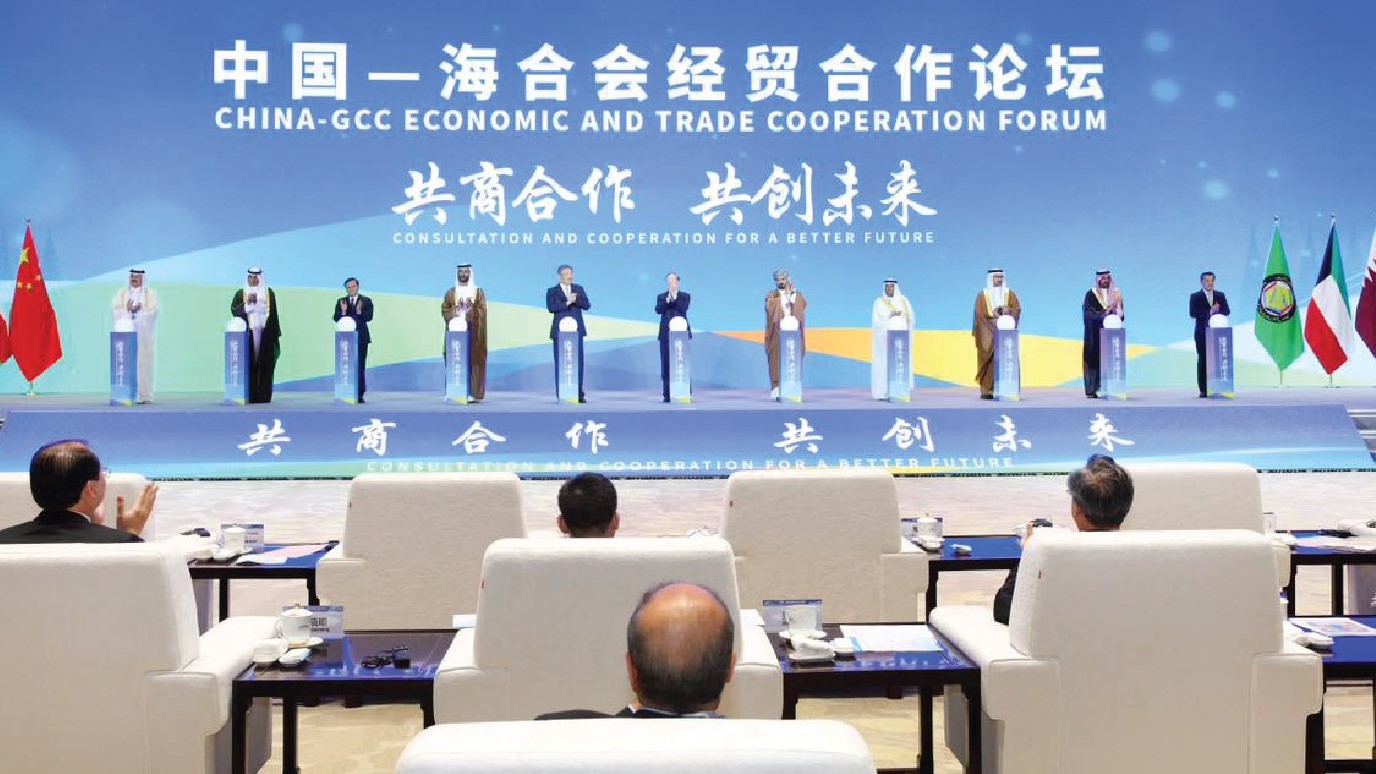


Guangzhou — A GCC-China strategic partnership will hinge on political trust, mutual respect, and a deep understanding between the two sides, given their significance in the global economy, stated the Secretary General of the Gulf Cooperation Council (GCC), Jassem Mohamed Albudaiwi.
“This partnership will truly embody the outcomes of the inaugural GCC-China summit, which took place in the Kingdom of Saudi Arabia on December 9, 2022,” he mentioned in a statement.
Albudaiwi shared these insights during a meeting attended by the GCC ministers of economy and trade and the Minister of Commerce of the People’s Republic of China. This meeting, held today in China, focused on enhancing economic collaboration.
He emphasized that the GCC leaders are committed to fostering a relationship with the friendly People’s Republic of China based on trust and mutual respect. They aim to bolster ties at all levels, particularly in economic matters.
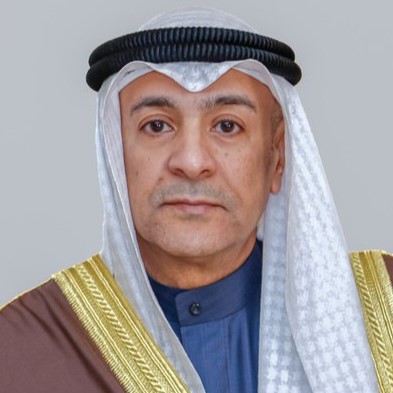
“We hope this meeting will fortify the initiatives and efforts currently underway to execute the joint action plan for cooperation in the economic and trade sectors for 2023-2027,” Albudaiwi said. This plan stems from the strategic dialogue between both parties. He also expressed the desire to amplify communication between the public and private sectors from both regions to explore economic, trade, and investment opportunities. The goal is to transform these discussions into tangible partnerships and to persistently enhance collaboration to achieve shared objectives in trade, investment, industry, and advanced technology.
Highlighting the ongoing negotiations for the Free Trade Agreement (FTA) between the GCC countries and China, Albudaiwi said, “This FTA will be a pivotal channel to amplify GCC-Chinese relations across all sectors, especially in economics and investment. It will play a crucial role in augmenting the mutual benefits and trade exchanges, benefiting numerous countries and their citizens, and acting as a genuine catalyst for various regional and international economic factors.”
He added that this agreement, an outcome of the “Framework Agreement for Economic Cooperation” signed between the GCC countries and China on July 6, 2004, has undergone 10 rounds of technical negotiations and numerous meetings. Both sides have shown continuous cooperation and flexibility throughout the negotiation process to bring it to fruition.
Albudaiwi expressed optimism that the final signing of the FTA between the GCC countries and China will be announced in the near future.