
Iranian authorities on Tuesday blamed a mysterious cyber attack for unprecedented disruption to the country’s fuel distribution network.
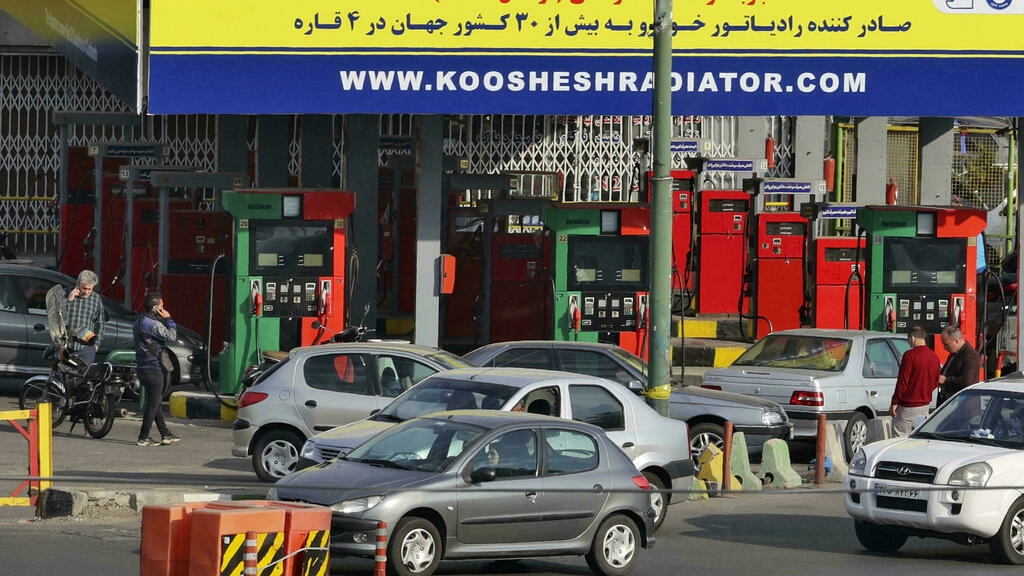
Iran is a major oil producer and the country’s motorists, used to cheap petrol, were surprised to see filling stations inexplicably closing one after the other and queues growing longer.
“The Supreme National Security Council confirmed that there has been a cyber attack against the petrol distribution computer system,” state television said.
It had earlier reported that the interruption was due to “disruptions to the computer system”.
“Details of the attack and its source are under investigation,” state TV added, without giving further details.
The conservative Fars news agency linked the breakdown to opponents ahead of the second anniversary of deadly protests sparked by a hike in petrol prices.
Tuesday’s disruption had an unprecedented impact because it blocked the IT system that allows Iranians to fill their tanks for free or at subsidised prices with a digital card issued by authorities.
“I don’t want to talk. I am in a bad mood,” said one motorist, in her thirties, sitting in her car chain-smoking cigarettes and hoping that the fuel pumps would soon be turned back on.
On social media, others complained about having to abandon their cars because they couldn’t get petrol.
“What a pain. At the same time the systems were hacked my car broke down in the road,” one Twitter user, Sabour, tweeted from the city of Yazd.
Regular accusations
An urgent meeting was being held at Iran’s national society for the distribution of petrol products in order to resolve the problem, the body’s spokesman Fatemeh Kahi said, quoted by state television.
In Tehran, technicians from the oil ministry took IT systems offline in a number of petrol stations to distribute fuel manually, state television reported later in the day.
Fars reported that “a campaign carried out by counter-revolutionary media” ahead of the November 15, 2019 anniversary “reinforces the possibility of a cyber attack.”
On that date two years ago the announcement of a sudden increase in fuel prices triggered protests in dozens of locations across the country.
It was Iran’s most vocal eruption of public dissent in a decade.
Iranian authorities, who cut the internet for a week, acknowledged a death toll of 230 but experts working for the United Nations said 400 were killed in that unrest.
Interior Minister Ahmed Vahidi on Tuesday said that there are no plans to raise petrol prices, calling on people “not to worry”, in remarks to the state broadcaster.
Iran on one side and its arch enemies the US and Israel on the other regularly accuse each other of cyber attacks.
In 2010 the Stuxnet virus — believed to have been engineered by Israel and the US — infected Iran’s nuclear programme, causing a series of breakdowns in centrifuges used to enrich uranium.
In 2019 Iran said that no cyber attack against the Islamic republic had ever succeeded, after American media reported the US launched one during a standoff between the two countries.
The Iranian telecommunications minister acknowledged at the time that Iran had “been facing cyber terrorism”.