
-
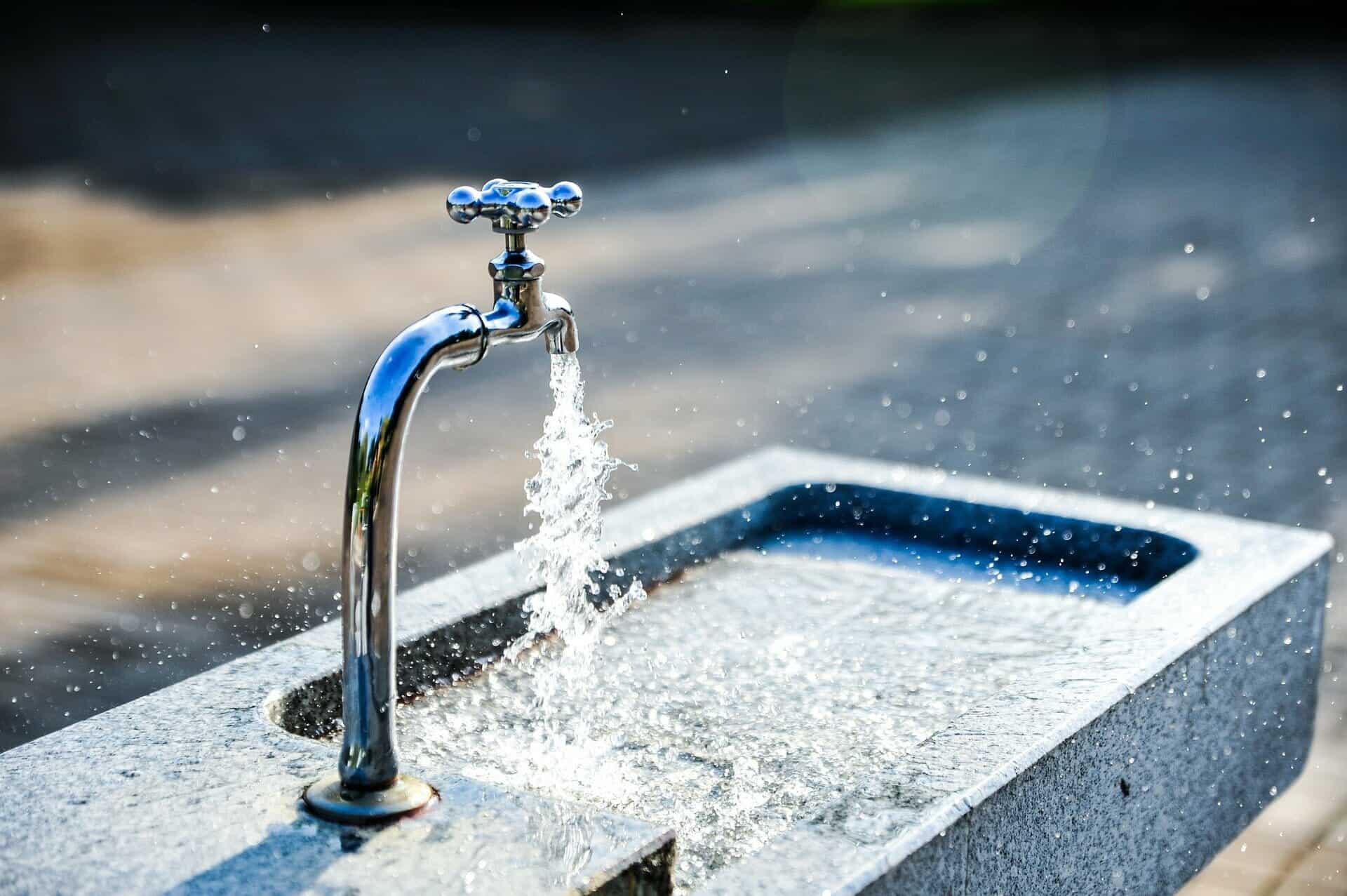
More than 4 million people, including 1 million refugees, are at immediate risk of losing access to safe water in Lebanon
-
Unicef estimates that most water pumping will gradually cease across the country in the next four to six weeks
Unicef has estimated that water supply in Lebanon may collapse altogether over the next month and a half, said local reports on Friday.
The economic crisis in Lebanon has seen its currency, the Lebanese pound, lose 90% of its value since 2019.
That, coupled with dwindling forex reserves has meant the country cannot import as much fuel as it used to, leading to internal shortages.
That in turn has resulted in the state electricity supplier to implement near-total power cuts in many places.
What little fuel is left is already running out, to the extent that private hospitals in the country have warned of a catastrophe as they run short on generator-fuel to operate life-saving equipment.
Now, Unicef has been quoted by local reports as saying that the country could see its water-supply infrastructure crumble in a month or so.
The UN agency said: “More than 4 million people, including 1 million refugees, are at immediate risk of losing access to safe water in Lebanon.”
It explained that maintenance costs incurred in US dollars, funding shortages, and the parallel collapse of the power grid were rapidly destroying the water sector.
It said: “Unicef estimates that most water pumping will gradually cease across the country in the next four to six weeks,” it said.
The local reports quoted Unicef Representative in Lebanon Yukie Mokuo as saying: “A loss of access to the public water supply could force households to make extremely difficult decisions regarding their basic water, sanitation, and hygiene needs.”