
Dubai, UAE — G7 energy ministers said they are prepared to take “all necessary measures” regarding oil reserves as crude markets face sharp volatility linked to the war in the Middle East.
In a statement following a virtual meeting with International Energy Agency (IEA) Executive Director Fatih Birol, the ministers said they are considering recommendations discussed during talks and remain ready to coordinate potential action.
They added that proactive measures—including the possible use of strategic oil reserves—remain under consideration as part of efforts to stabilise global energy markets.
The ministers said coordination is ongoing among G7 members as well as with IEA member states and other partners.
The discussions followed a meeting of G7 finance ministers earlier this week examining options to address rising energy prices.
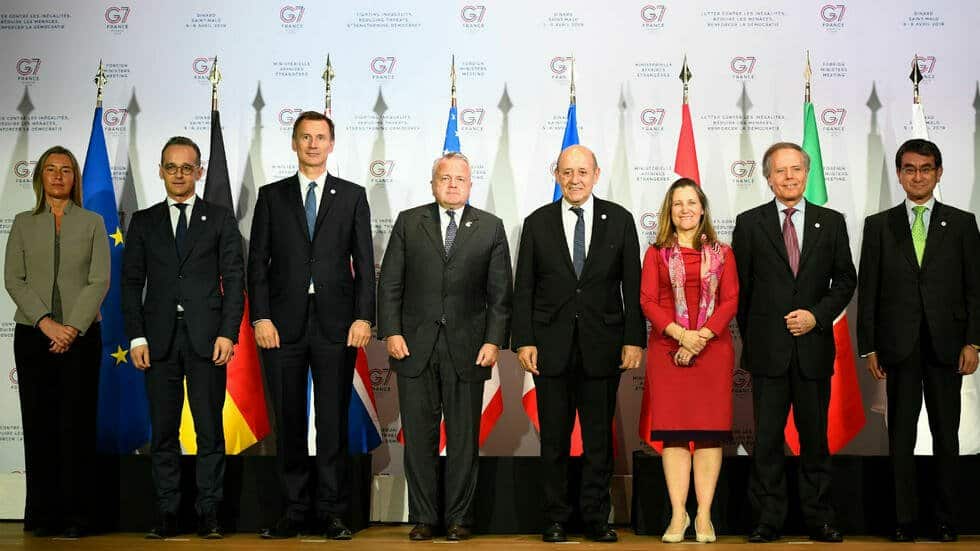
Leaders of the G7 countries—Britain, Canada, France, Germany, Italy, Japan and the United States—are also scheduled to meet later Wednesday at the request of French President Emmanuel Macron, with the Middle East conflict and its economic impact expected to feature prominently on the agenda.
Earlier, IEA Executive Director Fatih Birol said all options remain on the table to address soaring oil prices if market conditions deteriorate further.
Birol noted that oil markets have weakened in recent days due to supply disruptions and security risks affecting shipping through the Strait of Hormuz, a key transit route for global energy supplies.
Emergency oil stocks held by IEA member countries currently exceed 1.2 billion barrels, in addition to roughly 600 million barrels held by industry under government mandates.