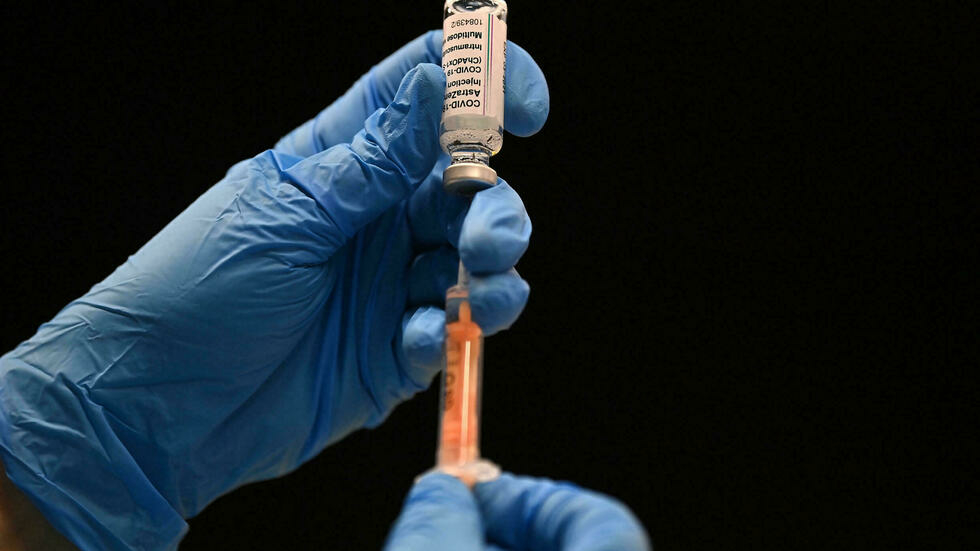

The lead developer of the Oxford/AstraZeneca coronavirus vaccine warned the next pandemic could be “more lethal”, urging better preparedness in a speech set to be aired Monday.
Sarah Gilbert, who is credited with saving millions of lives through her role in designing the jab, said the world must build on key lessons from the Covid-19 pandemic.
“This will not be the last time a virus threatens our lives and our livelihoods. The truth is, the next one could be worse. It could be more contagious, or more lethal, or both,” Gilbert said in her draft Richard Dimbleby Lecture, to be broadcast Monday evening.
“We cannot allow a situation where we have gone through all we have gone through, and then find that the enormous economic losses we have sustained mean that there is still no funding for pandemic preparedness.
“The advances we have made, and the knowledge we have gained, must not be lost,” Gilbert will say.
The Oxford/AstraZeneca jab, which was the first coronavirus vaccine to be approved for use in the UK, is used in more than 170 countries globally.
It is significantly cheaper and easier to deliver than others, and is credited with increasing vaccine access in poorer countries.
Gilbert was made a dame by Queen Elizabeth II earlier this year for services to science and public health for her role in its development.
She been making and testing vaccines for more than a decade, primarily using antigens from malaria and influenza, and initiated the Covid-19 vaccine project in early 2020 after the virus first emerged in China.
As the world now confronts the Omicron variant, with nearly 250 cases now identified in Britain alone, she urged continued caution.
“Until we know more, we should be cautious, and take steps to slow down the spread of this new variant,” Gilbert said.
“But as we have seen before, reduced protection against infection and mild disease does not necessarily mean reduced protection against severe disease and death.”