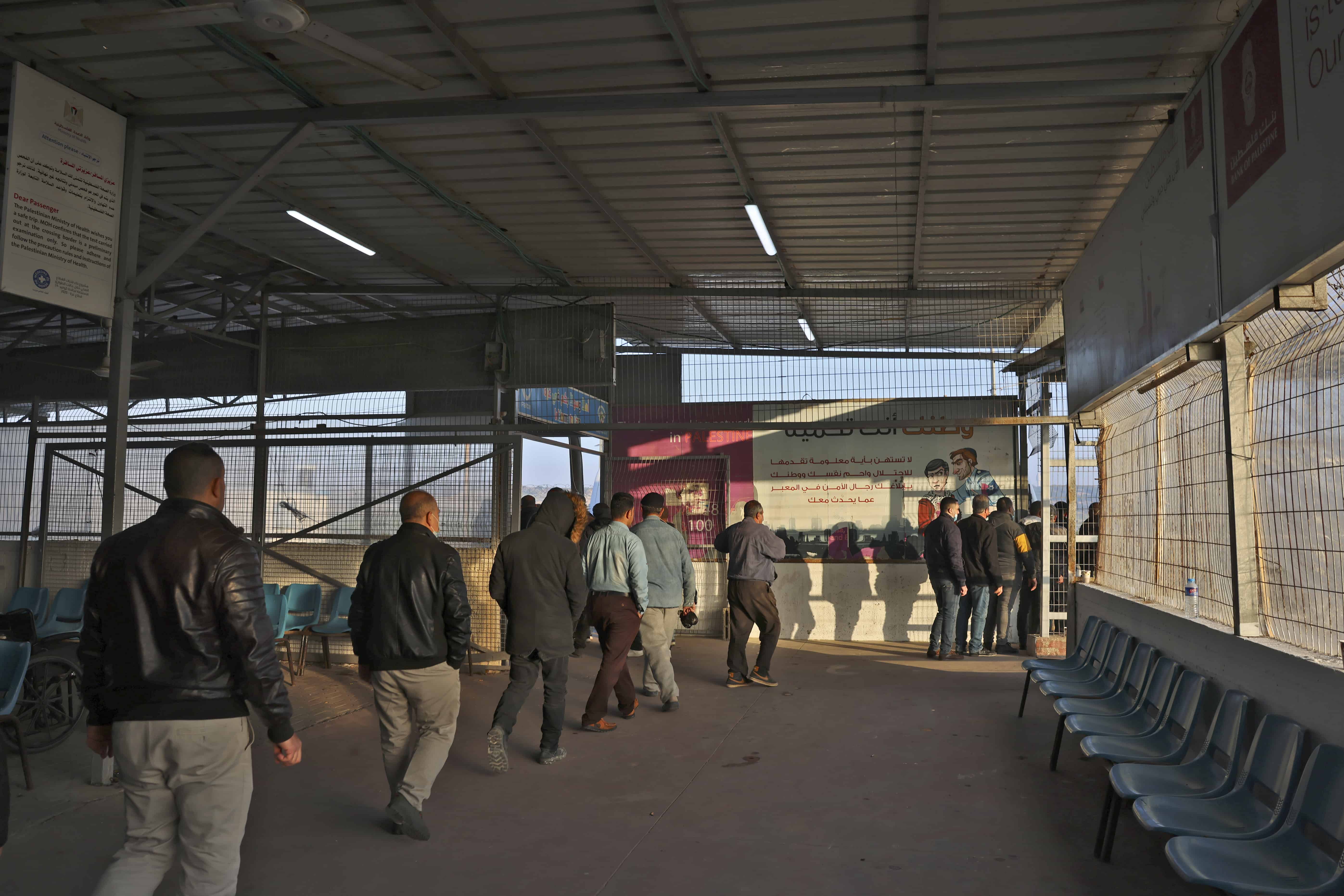

Israel reopened on Sunday its only crossing with the Gaza Strip to Palestinian workers nearly two weeks after closing it over unrest, the defense ministry said.
“Following an assessment of the security situation, it has been decided… to open Erez Crossing for passage of workers and permit holders from the Gaza Strip into Israel, beginning Sunday,” said COGAT, a unit of the Israeli defense ministry responsible for Palestinian civil affairs.
The crossing is used by 12,000 Palestinians with permits to enter Israel for work.
Israel had closed the crossing on May 3 ahead of Israel’s national memorial and independence days, and amid Palestinian violence in the occupied West Bank, although the Gaza front was quiet.
Israel and Hamas, the rulers of the impoverished coastal enclave, have fought repeatedly over the last 15 years, most recently in May last year.
Israeli authorities feared tensions and violence in and around Jerusalem during April, when Muslims observed the holy fasting month of Ramadan, would bring another conflict with Gaza, but that did not happen.
A recent World Bank report put the unemployment rate in Gaza, a Palestinian territory of some 2.3 million people, at nearly 48 percent, with work in Israel a vital lifeline to the enclave’s economy.