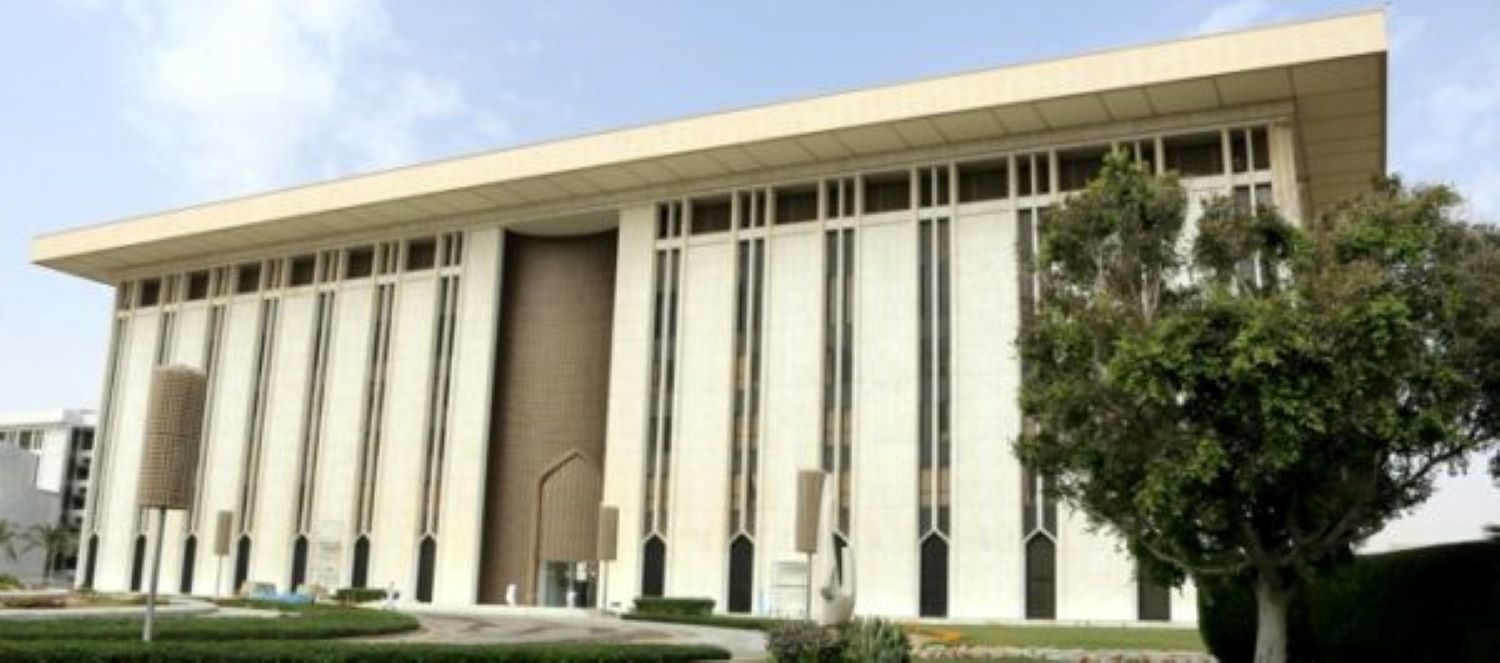

Riyadh, Saudi Arabia — The Saudi Central Bank (SAMA) has signed a three-year currency swap agreement with the Central Bank of China.
The maximum value of the swap is 50 billion Chinese yuan ($7.02 billion). The agreement is part of the financial cooperation between the two central banks, which works to strengthen collaborations based on mutual interests.
Currency swaps are agreements between two parties to exchange a certain amount of one currency for another and then reverse the exchange at a later date. These agreements are often used to facilitate trade and investment between countries, reducing reliance on a third-party currency.
China has been actively pursuing currency swap agreements with various countries to promote the internationalization of the Chinese yuan (Renminbi, RMB). Saudi Arabia, being a significant player in the global energy market, is of strategic importance to China.
In 2016, China and Saudi Arabia signed a memorandum of understanding (MOU) to promote cooperation in the field of currency swaps and local currency settlement. The aim was to strengthen economic and financial ties between the two nations and reduce dependence on the U.S. dollar in their bilateral trade.