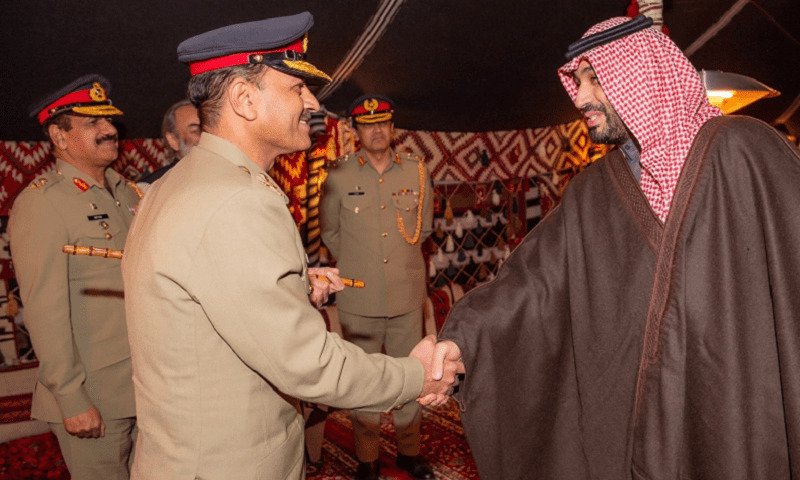

Islamabad, Pakistan – Pakistan’s caretaker Prime Minister, Anwaar-ul-Haq Kakar, announced on Monday that Saudi Arabia plans to invest up to $25 billion in Pakistan over the next two to five years across various sectors. The investment is part of a concerted effort to boost foreign direct investment in the South Asian nation, with a focus on mining, agriculture, and information technology.
Pakistan finds itself on the path to economic recovery following the approval of a $3 billion loan program by the International Monetary Fund (IMF) in July, which prevented a sovereign debt default.
Kakar revealed this during a press briefing at his official residence. Although specific investment projects were not disclosed, it’s worth noting that Barrick Gold Corp had previously expressed interest in potentially partnering with Saudi Arabia’s wealth fund for Pakistan’s Reko Diq gold and copper mine.
Pakistan is believed to possess untapped mineral deposits conservatively valued at around $6 trillion.
Kakar stated that his government is committed to finalizing two privatization deals, likely involving state-run power sector entities, within the next six months. They are exploring opportunities to privatize other government-owned enterprises outside the energy sector. Pakistan’s state-owned enterprises have long been a source of financial concern, contributing to the nation’s economic challenges.
Privatization efforts in Pakistan have faced obstacles in the past, as the sale of state assets is a politically sensitive issue that many elected governments have been hesitant to address.