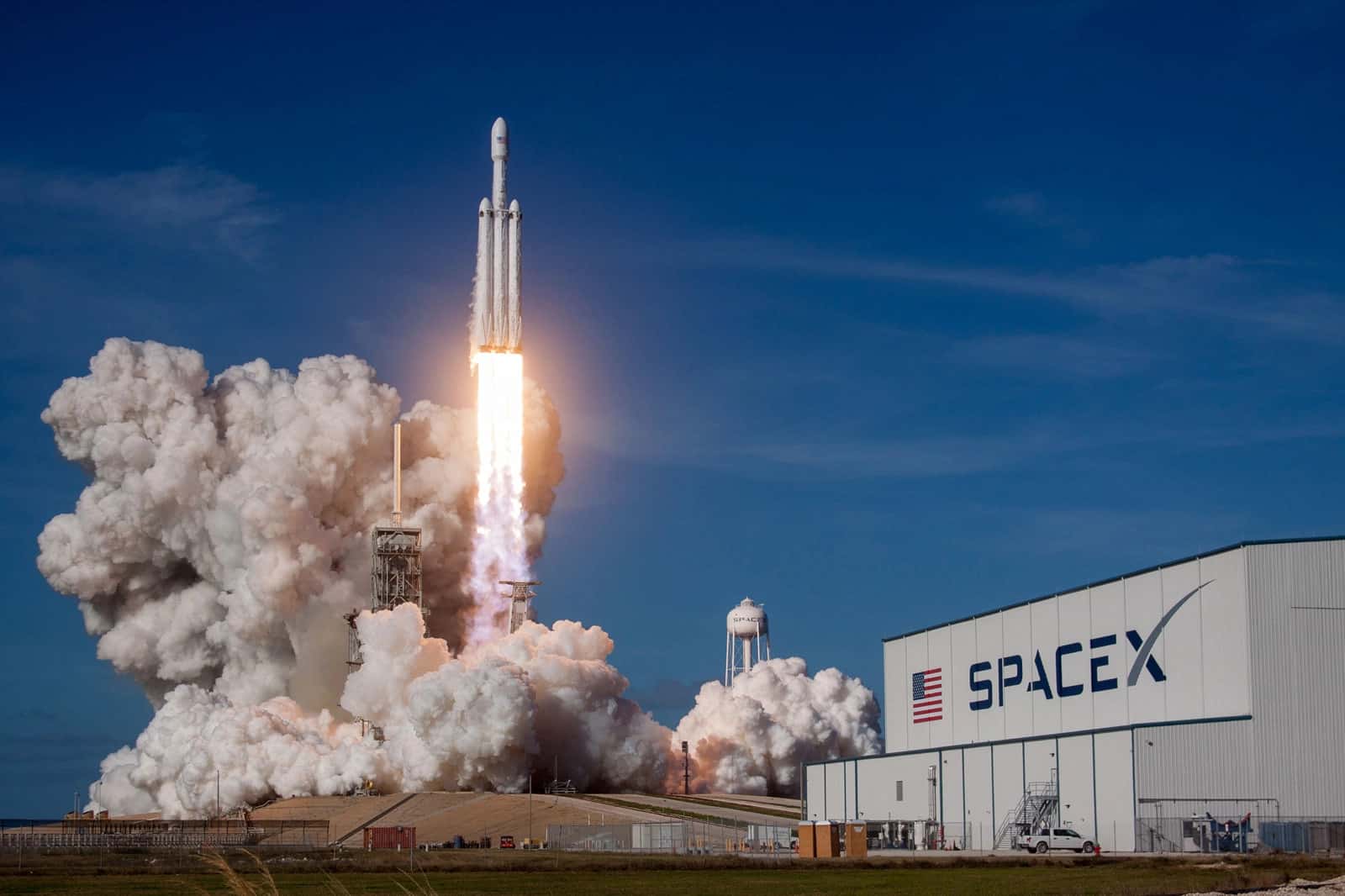

SpaceX’s planned initial public offering at a valuation of at least $1.8 trillion is emerging as a major test of investor appetite for artificial intelligence and technology stocks, as markets prepare for a potential wave of blockbuster listings.
Formal marketing for the IPO is expected to begin next week, with the company reportedly seeking to raise as much as $75 billion in what could become the largest public offering ever.
The proposed valuation has sparked debate among investors and analysts over whether markets can absorb trillions of dollars in new equity offerings if other highly valued technology firms such as OpenAI and Anthropic also move toward public listings.
“Markets are about to discover whether investor appetite for AI and tech is as deep as many assume,” Nigel Green, chief executive of financial advisory firm deVere Group, said in a statement.
“Even highly enthusiastic markets have limits,” he added.
SpaceX generated nearly $19 billion in revenue last year, driven largely by the rapid expansion of its Starlink satellite communications network, which now serves more than 10 million customers worldwide.
Green said the company had transformed commercial space launches, built a communications platform with global reach and positioned itself at the center of several fast-growing industries including satellite connectivity, AI infrastructure, defense technology and commercial space services.
But he cautioned that investors should remain disciplined as enthusiasm around the IPO builds.
“A great company and a great stock are not always the same thing,” Green said.
“At close to $1.8 trillion, investors are effectively pricing in years of success before much of that profitability has arrived.”
Green also warned that many major IPOs historically generated strong investor excitement before disappointing during their first year in public markets as valuations outpaced financial performance.
He said investors should also recognize that Elon Musk would maintain substantial influence over the company after any listing.
“Ownership and control are two very different things,” Green said.
According to Green, the implications extend beyond SpaceX itself because several mega technology listings arriving within a short period could reshape capital flows across global equity markets.
He said institutional investors, including pension funds, sovereign wealth funds and exchange-traded funds, may eventually have to reduce exposure to existing technology leaders to fund positions in newer AI and space companies.
“Capital is finite,” Green said.
He added that periods marked by large IPO activity often coincided with peaks in investor optimism, raising questions over whether markets can continue absorbing increasingly large technology valuations.