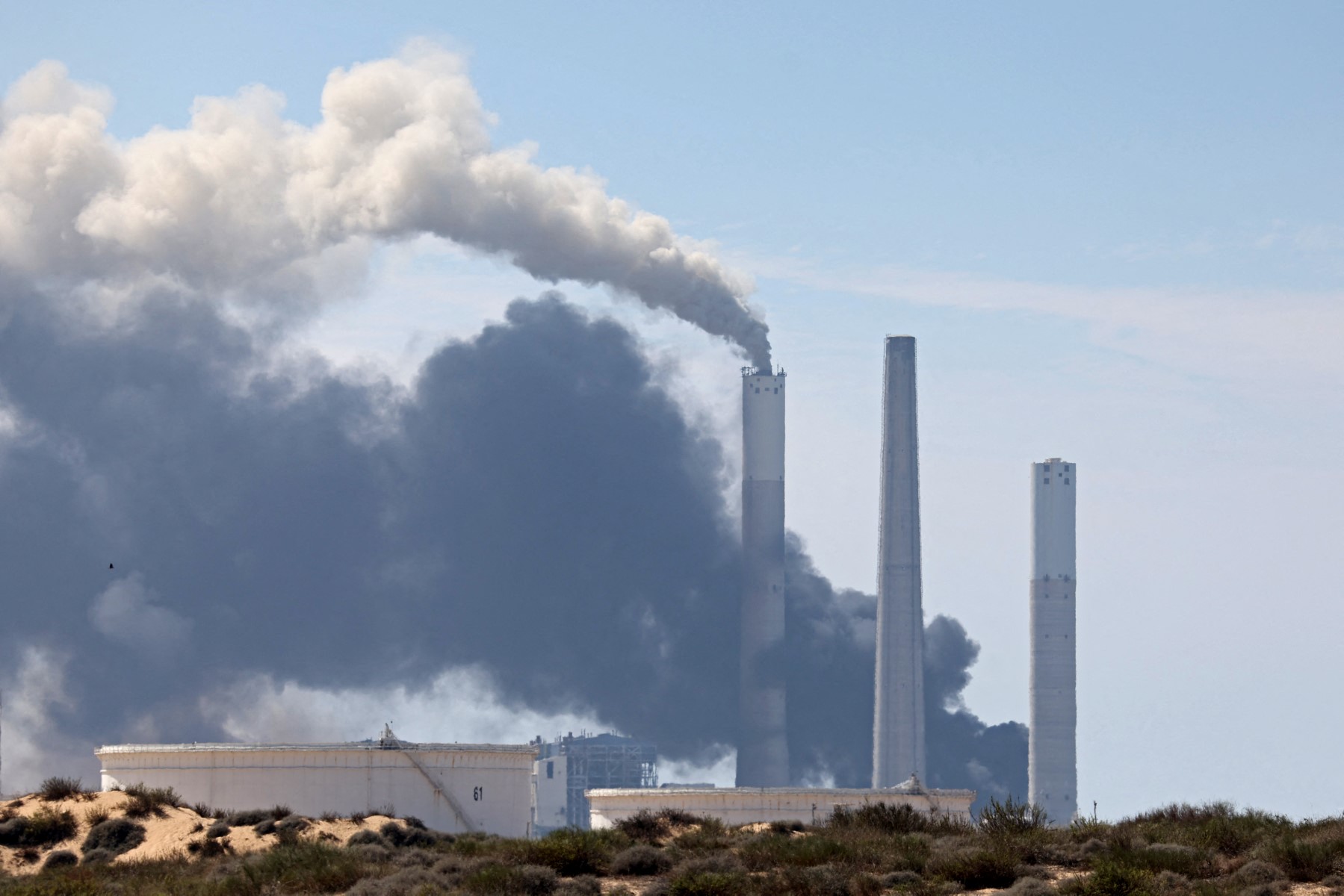

Dubai, United Arab Emirates — The United Arab Emirates, a major oil exporter, began mandatory emissions monitoring for companies on Friday under a new law targeting climate change.
Greenpeace hailed the move, a first for the Middle East but already in place in dozens of countries worldwide, as a “bold leap toward regional climate leadership”.
The UAE, one of the world’s top oil exporters, neighbors several oil-rich countries including Saudi Arabia and Iran along with Qatar, a leading gas producer.
Under the new law, companies are required to report and reduce their emissions of the greenhouse gases that are responsible for global warming.
Ghiwa Nakat, executive director of Greenpeace MENA, called it a “progressive move”.
“By institutionalizing emissions monitoring and climate adaptation, the UAE is setting a compelling example for countries across the region,” she said in a statement.
Public and private companies now have to regularly monitor emissions and take steps to reduce them, or risk fines of up to two million dirhams ($545,000).
However, Greenpeace said the UAE also needed to set clear reduction targets, especially for major sectors such as energy and transport.
The UAE, which hosted the United Nations’ COP28 climate talks in 2023, is targeting net-zero domestic carbon emissions by 2050.
In its latest climate roadmap submitted to the UN, the Gulf monarchy committed to reducing emissions by 47 percent of 2019 levels by 2035.