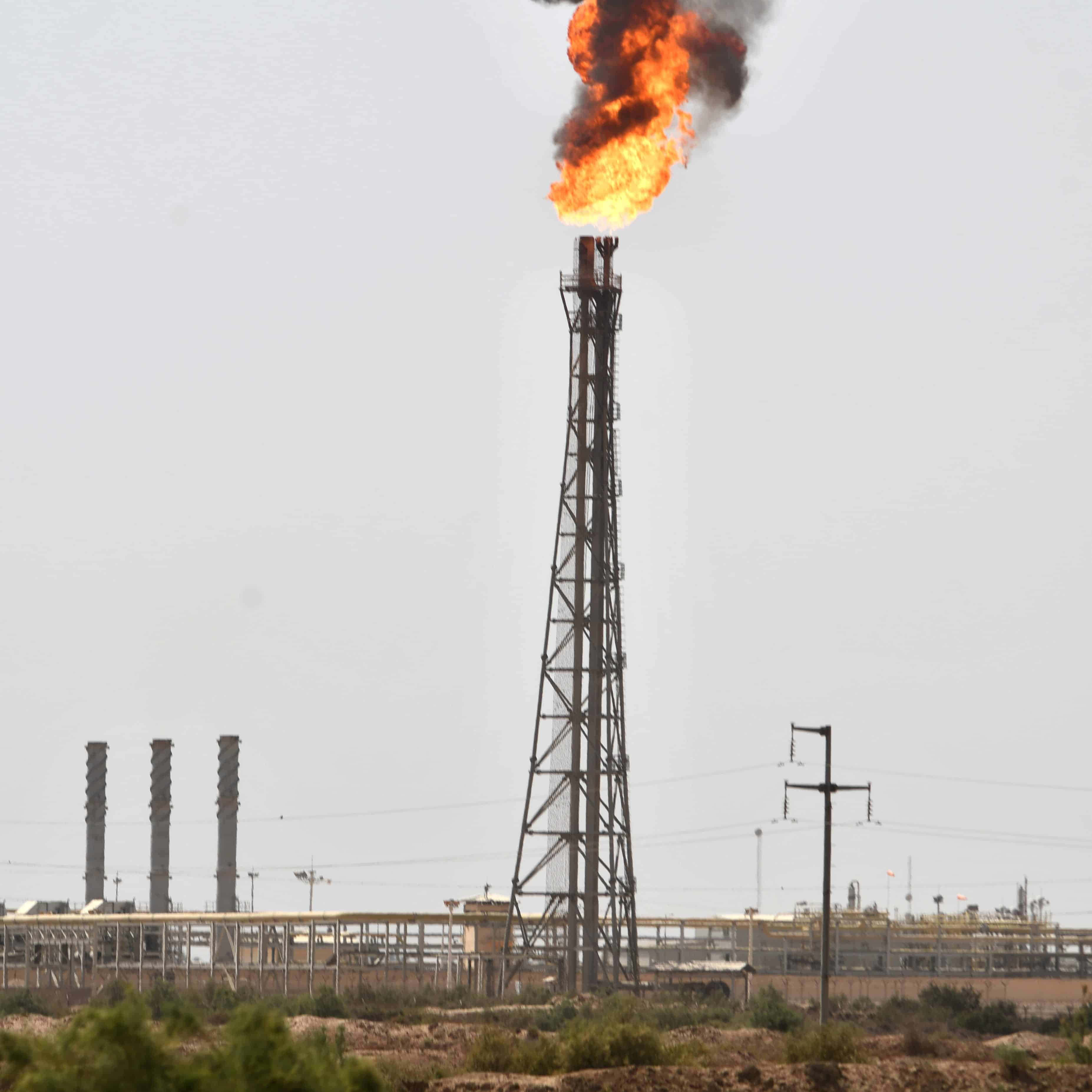

Doha, Qatar: Qatar has called for the formulation of policies that discourage the politicization of the oil and gas trade and its use as a tool of sanctions or to limit free trade agreements.
In a press statement ahead of the ministerial meeting of the Gas Exporting Countries Forum scheduled for Tuesday in Cairo, Minister of State for Energy Affairs, President and CEO of Qatar Energy Eng. Saad bin Sherida Al Kaabi said that Qatar urges all governments and multilateral institutions to condemn sabotage and military attacks on energy infrastructure or electricity networks.
He appealed to all governments, companies, stakeholders and energy consumers to work together to develop wise and balanced policies that allow responsible economic development.
The Minister added that in order to reduce energy poverty and provide energy for all in an equitable manner, the transition to low-carbon energy must be through a realistic mix of different energy sources, including hydrocarbons, renewable energy, biofuels, nuclear power and hydrogen.
“Supporting investment today in all of these energy sources is a must to ensure adequate global supplies for the future,” Al Kaabi said.