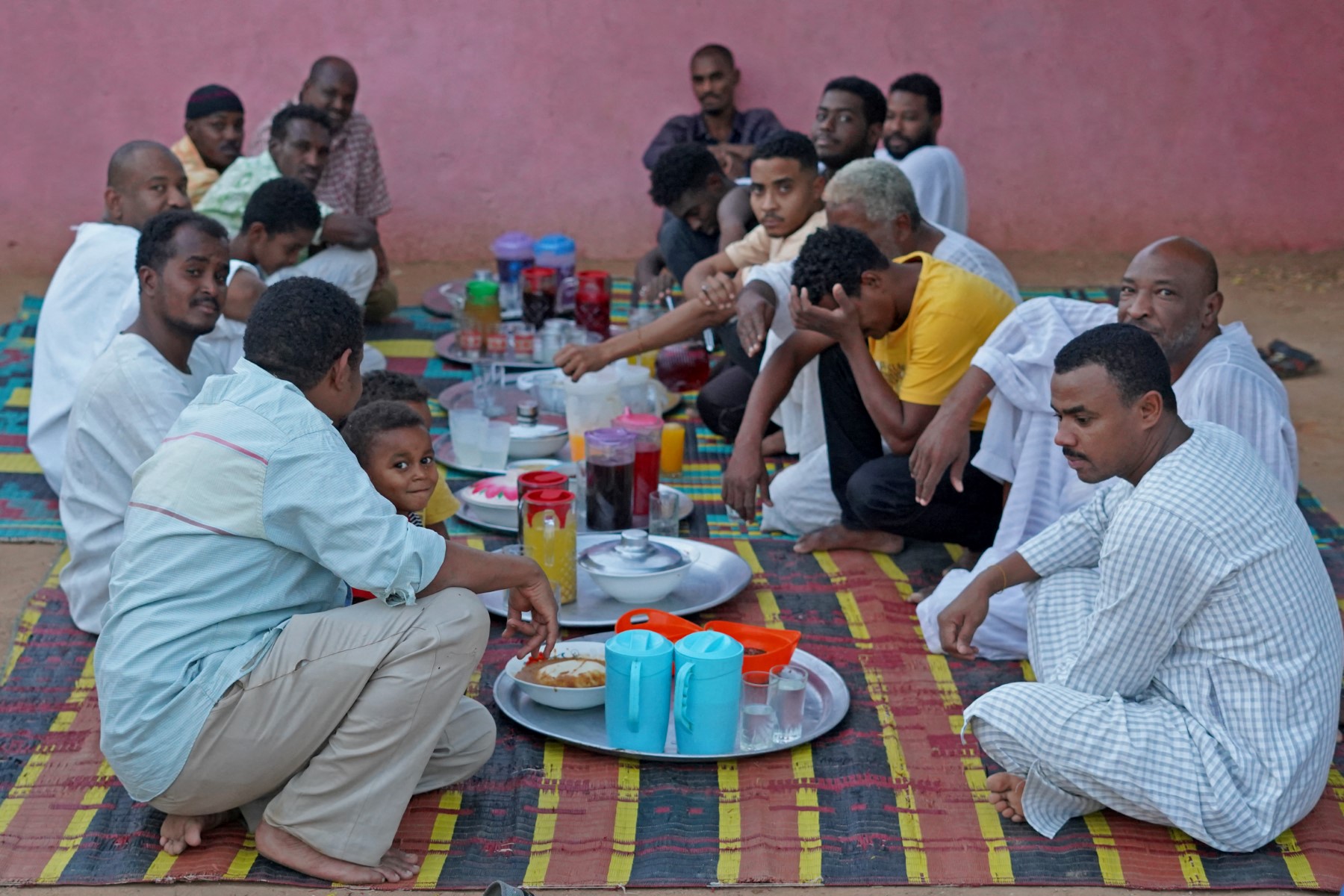

Tehran, Iran – The UN cultural agency on Wednesday recognized iftar, the meal that breaks the daytime fast during the Muslim holy month of Ramadan, on its list of intangible cultural heritage.
The application for the sociocultural tradition was jointly submitted by Iran, Turkey, Azerbaijan and Uzbekistan to the UN Educational, Scientific and Cultural Organization.
“Iftar (also called Eftari or Iftor) is observed by Muslims at sunset in the month of Ramadan, upon completion of all religious and ceremonial rites,” said UNESCO.
Iftar, which follows the sunset call to prayer during Ramadan, is associated with gatherings “strengthening family and community ties and promoting charity, solidarity and social exchange,” it said.
The age-old community tradition was recognized by the Intergovernmental Committee for the Safeguarding of Intangible Cultural Heritage that has been meeting in Botswana since Monday.
In several Muslim countries, it is customary to mark iftar by eating a date accompanied by tea. Recipes for dishes and pastries, however, vary greatly depending on the country.
The UN body said that “the iftar practice is typically transmitted within families, and children and youth are often entrusted with preparing components of traditional meals”.