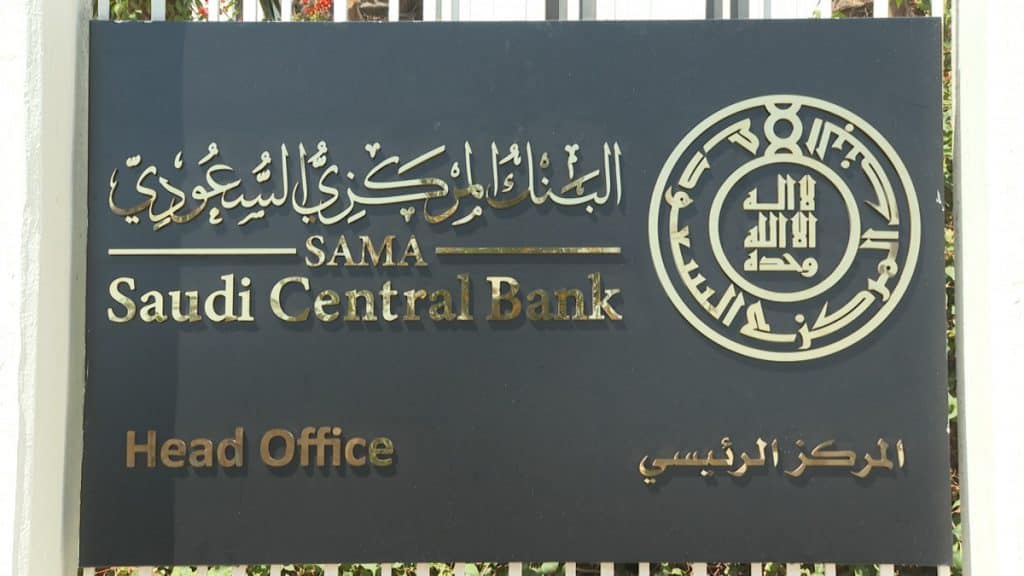

Riyadh, Saudi Arabia – The Saudi Central Bank (SAMA) announced the formal adoption of International Financial Reporting Standard-IFRS 17 Insurance Contracts and International Financial Reporting Standard-IFRS 9 Financial Instruments by the Saudi insurance sector. Implementation started on January 1, in line with the implementation date set by the International Accounting Standards Board (IASB).
In a statement, SAMA said that IFRS 17 issued by the IASB in May 2017 will supersede IFRS 4 Insurance Contracts issued in 2004.
The features of the new Standard include standardization of the accounting measurement models for insurance and reinsurance companies around the world; consistent comparison and analysis of results; and provision of accurate, transparent, and high-quality data for financial statements compared to the previous standard.
SAMA had committed to a seamless adoption of the IFRS 17 in Saudi Arabia, as a member of the G20, rolling out a transition plan with four phases in 2018.
The adoption of IFRS 17 has contributed to introducing new elements in the insurance industry, improving human and technological resources, enhancing the transparency of reporting, and fostering a regulator-sector relationship.