
Dubai, UAE – The United States has announced plans to bolster its military presence in the Middle East in response to Iran’s recent actions involving the seizure and harassment of commercial shipping vessels in key waterways. Reuters reported on Monday.
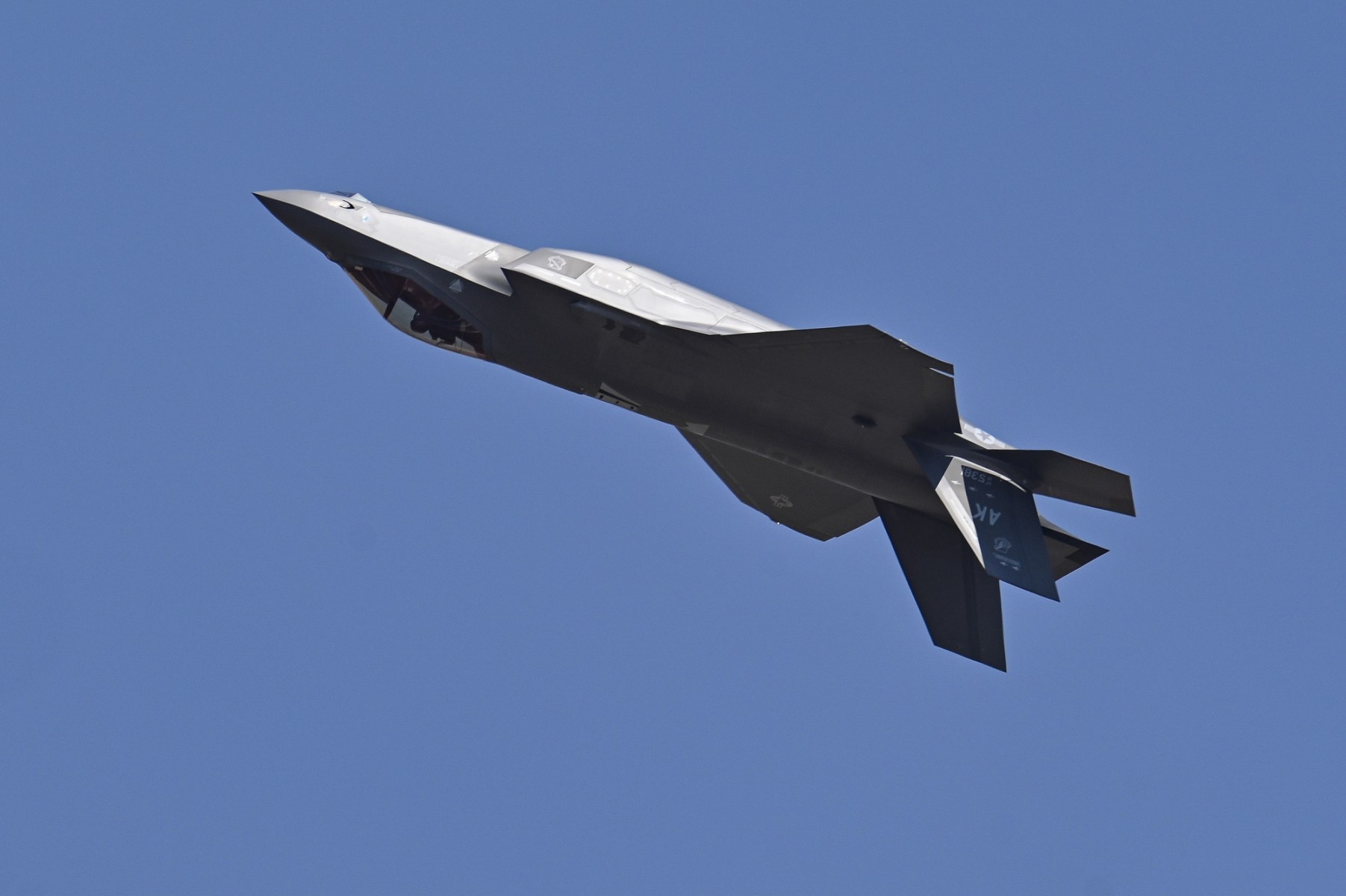
The Pentagon will be sending additional F-35 and F-16 fighter jets, along with a warship, to the region.
“The (Pentagon) is increasing our presence and ability to monitor the (Strait of Hormuz) and surrounding waters,” Pentagon spokeswoman Sabrina Singh told reporters.
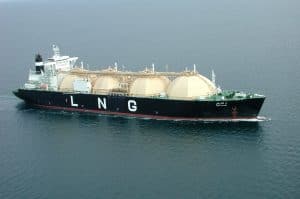
The primary goal of this deployment is to enhance monitoring capabilities in the vital waterways, especially the Strait of Hormuz, through which approximately one-fifth of the world’s crude oil and oil products pass. The chokepoint, situated between Iran and Oman, has been a focal point of tensions between the US and Iran, with a series of shipping attacks occurring since 2019.
The Biden administration had previously indicated its intentions to take action in the Middle East, but the specifics were not disclosed until now. The move comes as the 2015 Iran nuclear deal, which aimed to limit Iran’s nuclear program, remains effectively defunct. Despite efforts by President Joe Biden to revive the agreement, Iran’s relations with the West have deteriorated over the past year, leaving concerns about the potential development of nuclear weapons.
According to US estimates, Iran’s current capability allows it to produce the fissile material required for a single nuclear bomb in as little as 12 days, a significant decrease from the timeframe allowed under the 2015 nuclear deal when it was still in effect.
Iran has consistently denied seeking nuclear weapons, asserting that its nuclear program is for peaceful purposes. Nevertheless, the Western countries, particularly Israel and Gulf Arab oil exporters, view any potential nuclear ambitions by Iran as a serious threat to regional stability.
The Pentagon’s decision to deploy additional fighter jets and a warship is part of its efforts to safeguard international shipping routes and uphold regional security. The exact locations of the additional military assets and the duration of their deployment in the Middle East have not been disclosed.