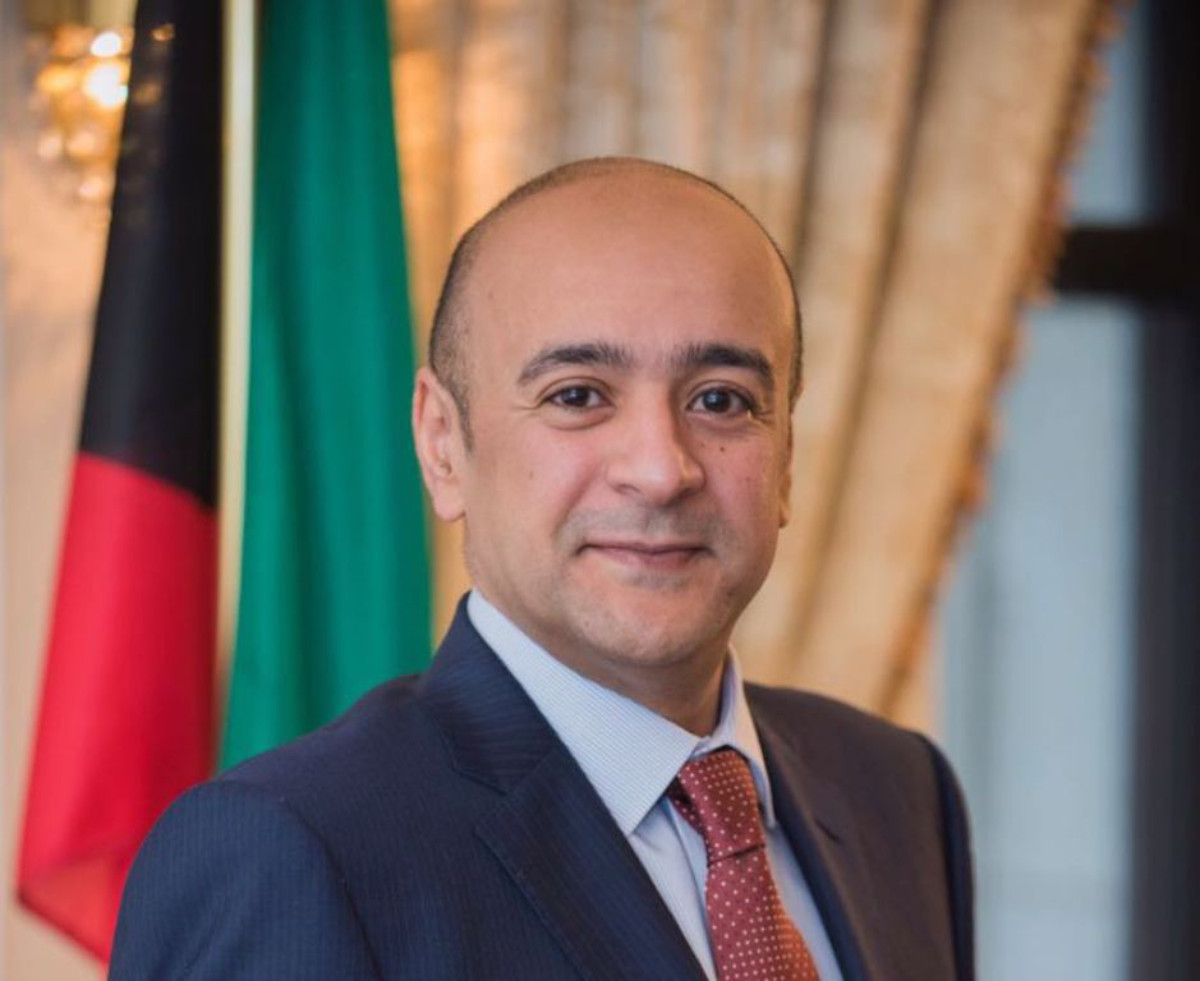

Marrakech, Morocco— In spite of economic disruptions, policymakers in the GCC countries have successfully alleviated the economic ramifications of the challenges they have faced, according to Jassem Mohamed Albudaiwi, the Secretary-General of the Gulf Cooperation Council (GCC).
He added that the GCC nations experienced substantial growth in their gross domestic product (GDP), reaching 7.3% in 2022.
He made the remarks during during the Arab Governors’ meeting with the President of the World Bank Group, Ajay Banga.
The meeting took place on the sidelines of the annual meetings of the International Monetary Fund (IMF) and the World Bank on Saturday in Marrakech, Morocco, Saudi press agency (SPA) reported.
The GCC Secretary-General emphasised that economic challenges present a risk to the mutual objective of a poverty-free world characterised by sustainable development and widespread prosperity.
He pointed out that the global economy is currently traversing a precarious course, with the World Bank forecasting a substantial deceleration in global economic growth in the years ahead.
Albudaiwi also underscored that tackling global challenges demands a dedication to shared values and objectives, recognising that the interdependence of nations necessitates collaborative efforts and synergy.
Furthermore, he emphasised that global economic challenges call for sustainable solutions to alleviate their impact.
This, he said, can be achieved through collective actions and measures taken by the international community in cooperation with global financial institutions, as well as through bilateral and multilateral agreements between countries and international organisations.
These efforts are essential to securing a more prosperous, equitable, and sustainable global future, he noted.
Concluding his remarks, Albudaiwi praised the advancements resulting from the structural reforms implemented by GCC countries in response to economic challenges.
These reforms have yielded favourable outcomes, including economic growth, an improved business environment, increased competitiveness, and a substantial rise in women’s workforce participation.
Furthermore, the non-oil sector experienced a notable increase of 4.8% in 2022.