
Paris, France – World food prices fell in 2023, with considerable declines for grains and oils as supply concerns eased, the UN’s Food and Agriculture Organization said on Friday.
Overall, world food commodity prices fell 13.7 percent in 2023 compared to the previous year, Rome-based FAO said.
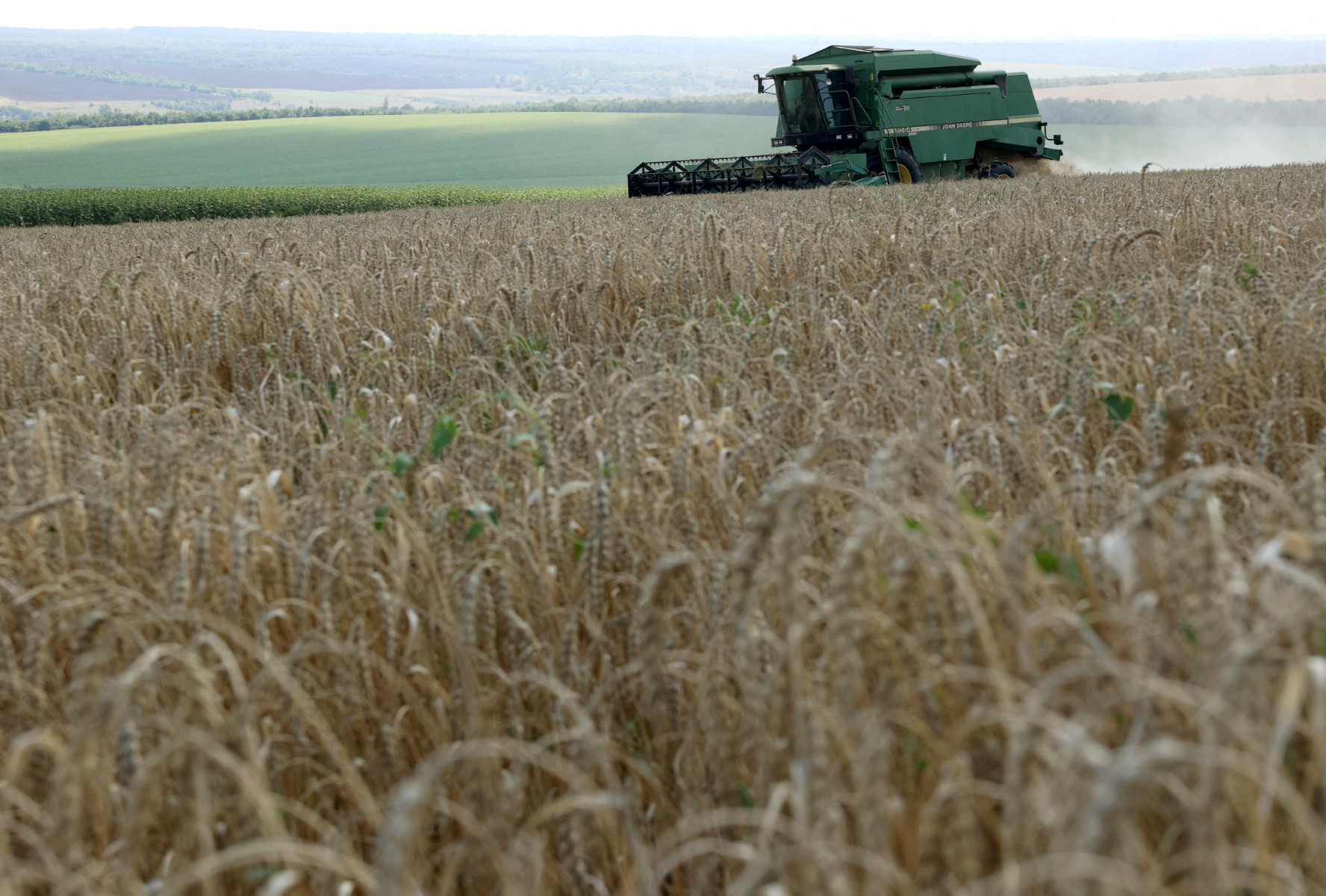
The FAO’s cereals price index fell 15.4 percent last year, “reflecting well supplied global markets” compared to 2022, when prices soared after Russia’s invasion of Ukraine, a major grain exporter.
While supply concerns eased for wheat and maize, the opposite was true for rice due to the impact of the El Nino weather phenomenon and India restricting exports. Rice prices jumped 21 percent last year.
The vegetable oil price index posted the biggest fall last year, dropping 32.7 percent, thanks to improved supplies and reduced use for biofuel production.
Sugar prices, on the contrary, jumped 26.7 percent overall last year, though they retreated from their highs in December thanks to Brazil stepping up exports and reduced use for biofuels.
While the FAO’s overall index dropped, consumer food prices in many countries are rising considerably and often faster than the overall inflation rate.
The FAO’s index measures commodity market prices, with a certain delay on consumer prices, which are also affected by energy and labor costs during processing and distribution.