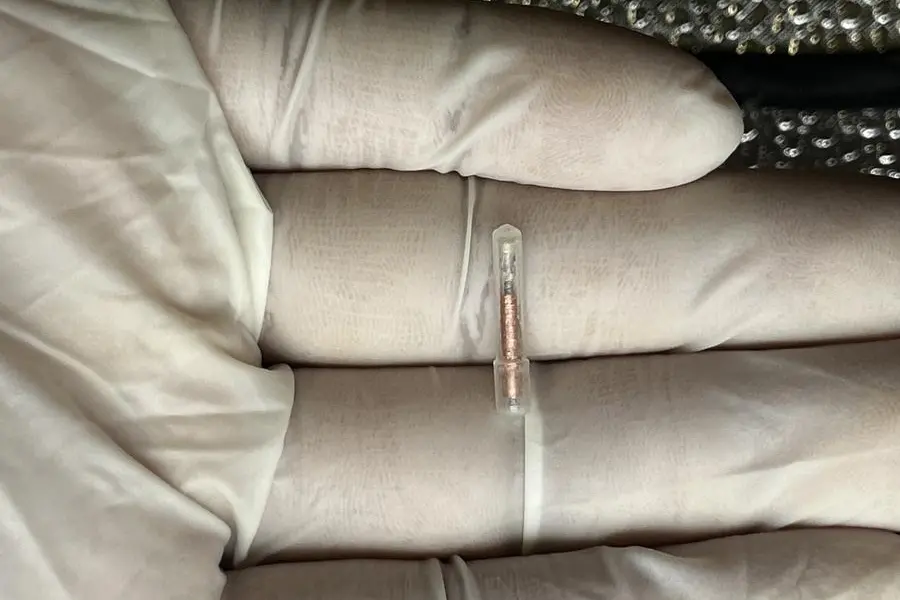

Abu Dhabi, UAE — Researchers at NYU Abu Dhabi (NYUAD) have developed an ingestible device that uses light to activate neurons in the gut.
This new technology, called ICOPS (Ingestible Controlled Optogenetic Stimulation), provides a non-invasive way to study and potentially treat digestive and metabolic disorders.
Unlike current methods that require invasive surgery to implant optical fibers, this capsule can be swallowed by patients, offering a significant advantage.
Led by Assistant Professor of Bioengineering Khalil Ramadi, the team’s research, published in Advanced Materials Technologies, demonstrates how ICOPS can wirelessly map and control the intestinal nervous system.
The battery-free capsule is powered by an external transmitter via magnetic induction. According to Mohamed Elsherif, a postdoctoral associate and lead author, the device was entirely fabricated in-house using 3D printing and can operate wirelessly in freely moving animals, enabling studies that were not previously possible.
The researchers believe that beyond its use in research, ICOPS has the potential to enable new treatments for a range of conditions, including gut motility disorders, metabolic diseases, and eating disorders.
Future versions of the capsule could also include electrical stimulation and targeted drug delivery. This innovation could pave the way for a new era of non-invasive medical diagnostics and treatments.