
Dubai, UAE — The United States launched fresh strikes on Iran on Wednesday, prompting Tehran to retaliate with attacks on US military targets in Bahrain, Jordan and Kuwait, as the conflict expanded across the Gulf and threatened regional energy supplies.
Explosions were reported in the southern Iranian port city of Bandar Abbas, on Qeshm Island and in the southwestern city of Ahvaz, while the US military said it had completed its latest round of operations against Iran.
Iranian state media said the country’s army targeted the US Al-Azraq air base in Jordan with drones, while the Islamic Revolutionary Guard Corps (IRGC) said it fired cruise missiles at a US military logistics centre at Mina Abdullah in Kuwait.
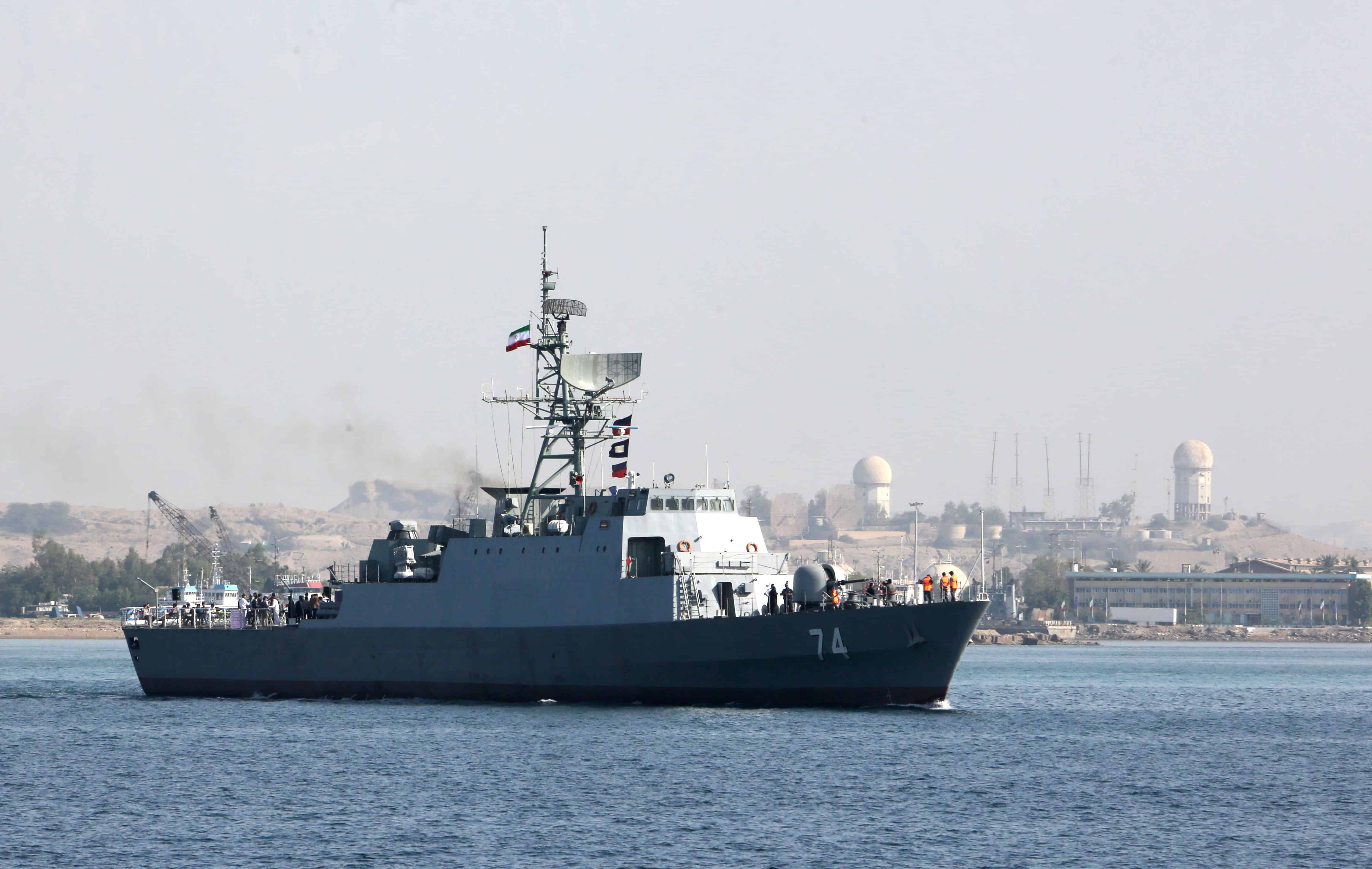
The Guards later said they had also targeted facilities belonging to the US Fifth Fleet in Bahrain, describing them as command-and-control, logistics, fuel and military equipment sites.
Bahrain activated air raid sirens and urged residents to seek shelter, while Kuwait’s military said its air defences were intercepting Iranian drones following what it called Iranian aggression.
The latest escalation came after Washington reimposed a naval blockade on Iranian ports, saying the move was aimed at preventing attacks on commercial shipping in the Strait of Hormuz, one of the world’s most important oil transit routes.
The blockade had previously been imposed in April before being lifted in June following an interim agreement that provided for negotiations over Iran’s nuclear programme. The talks have since stalled as fighting around the strategic waterway intensified.
The IRGC said the Strait of Hormuz would remain closed until the United States ended what it called its “acts of aggression”.
The Guards warned that if Washington sought to block regional oil and gas exports by controlling maritime routes, other export routes serving US and allied interests could also be shut.
The exchange of strikes has raised fears of a broader regional conflict, with Iran and the United States continuing military operations despite earlier diplomatic efforts to reduce tensions.
Oil prices climbed for a second consecutive session as traders weighed the growing threat to energy supplies. Brent crude rose 1.72 percent to $86.19 a barrel in early trade, while US West Texas Intermediate gained 1.4 percent to $80.40 after both benchmarks closed at one-month highs on Tuesday.
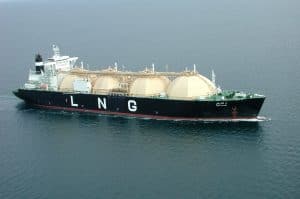
The Strait of Hormuz normally carries around one-fifth of global oil and liquefied natural gas shipments, making any disruption a major concern for energy markets