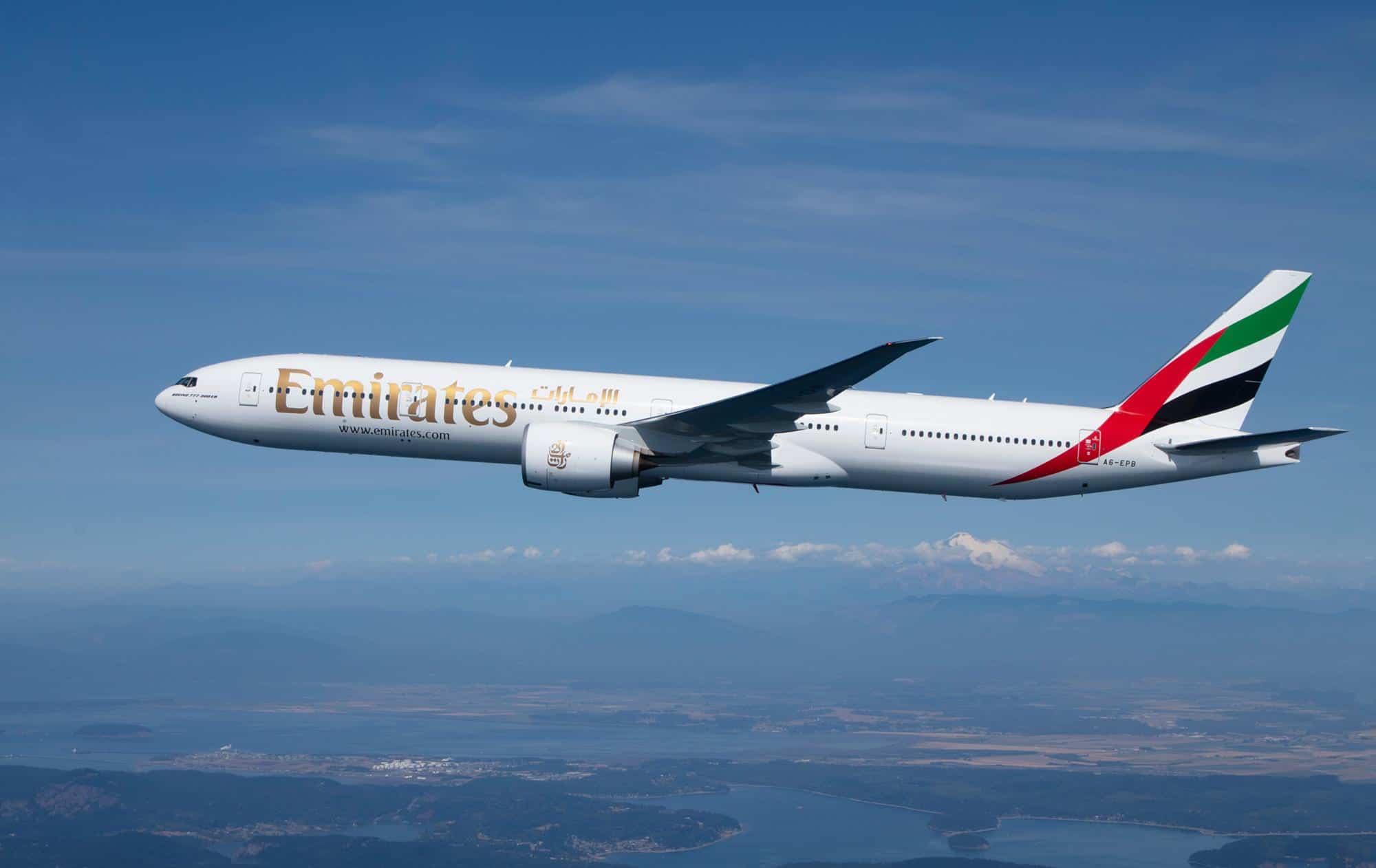

Dubai, UAE — Emirates has restored 96% of its global network following weeks of disruption, as Gulf aviation stabilizes after conflict-related airspace closures.
The airline said it now operates to 137 destinations across 72 countries, with more than 1,300 weekly flights, representing about 75% of pre-disruption capacity. Services have resumed progressively across the Americas, Europe, Africa, West Asia and Asia-Pacific.
Even during reduced operations, Emirates carried 4.7 million passengers, underscoring resilient travel demand despite widespread disruption to regional air routes.
Conflict disrupts Gulf airspace
The recovery follows a significant disruption triggered by the recent Iran-related conflict, which led to widespread airspace restrictions across parts of the Gulf and West Asia.
Airlines were forced to reroute flights, suspend services, or operate longer journeys to avoid restricted zones, increasing fuel costs and reducing aircraft utilization. Key transit corridors linking Europe, Asia and Africa—many of which pass through Gulf hubs—were particularly affected.
Several carriers temporarily reduced schedules or halted routes altogether as safety concerns and operational uncertainty mounted. Cargo movements were also disrupted, adding pressure on logistics networks already strained by geopolitical tensions.
As restrictions eased, airlines began restoring services in phases, prioritizing high-demand routes and key hub connections. The gradual reopening of airspace has allowed Gulf carriers to rebuild schedules and reconnect global traffic flows.
Recovery gains momentum
Emirates said it is continuing to add capacity, offering more flights and seats while reinforcing Dubai’s role as a major global aviation hub.
The near-full restoration highlights the speed at which Gulf carriers can recover from external shocks, supported by strong demand and strategic geographic positioning.