
A study by the Arab Youth Centre found that 94.8% of participants view youth mental health as a shared responsibility involving families, educational institutions, workplaces and young people.
The study, titled “Mental Health Among Arab Youth: A Development Framework for Readiness and Well-Being 2026”, was released on World Mental Health Day on Saturday. It examined how mental health affects young people’s ability to learn, work, build relationships and contribute to society.
Career uncertainty, family expectations and digital pressures were identified as key factors affecting psychological well-being, while the study outlined five priorities for institutional action.
The findings showed that 97.4% of participants believed psychological safety and stability encouraged innovation, initiative and the exploration of new ideas. Another 95.7% said good mental health supported achievement, decision-making and the ability to manage academic and workplace pressures.
The study recorded a psychological and social well-being index score of 86.4 among participants.
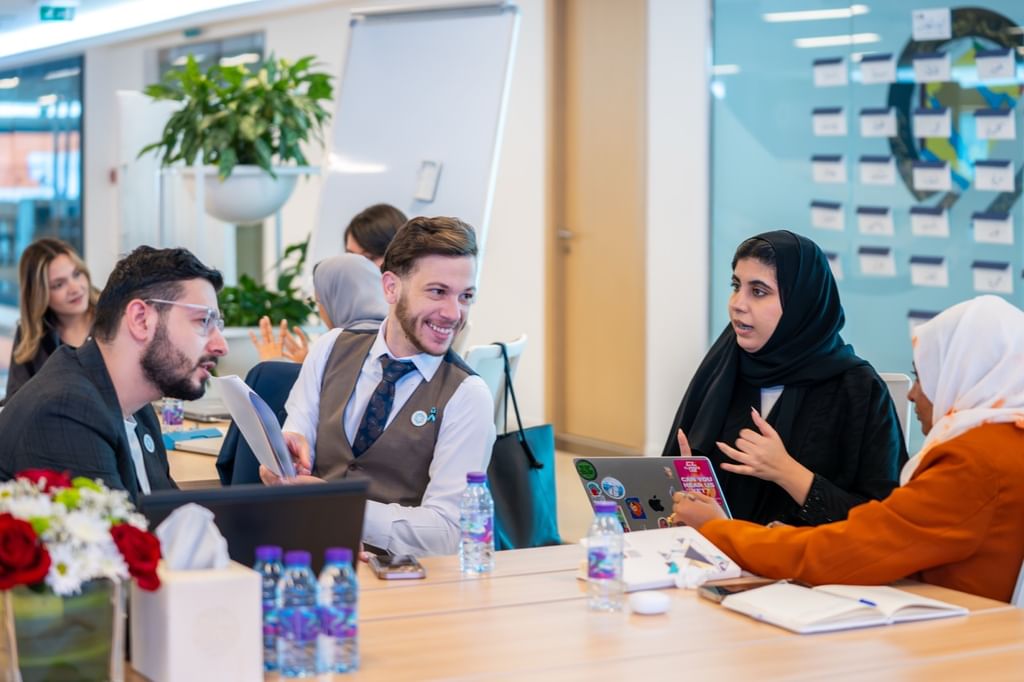
The research combined a survey of 100 young people from Arab countries with 11 discussion sessions involving about 107 participants. It also included six in-depth interviews with regional experts and a review of relevant research, policies and practices.
“Preparing young people for the future requires us to understand the conditions that help them move forward with confidence,” said Fatima Al Hallami, executive director of the Arab Youth Centre.
Education and employment opportunities, clear career pathways and supportive relationships all influence young people’s mental health and ability to achieve their ambitions, she said, adding that young people should play a direct role in designing programmes that meet their needs.
Al Hallami said the UAE prioritised investment in people as part of sustainable development, with youth empowerment and quality of life among its goals.
The centre works with regional partners to strengthen institutional cooperation and create supportive environments that help young people make informed decisions, take initiative and contribute to their communities, she said.