
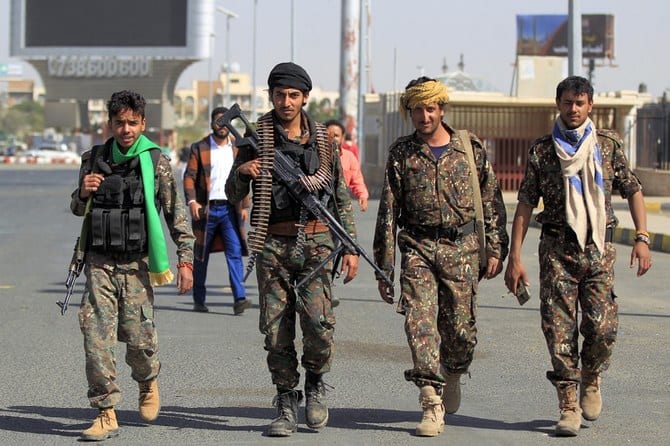

A Houthi missile attack on Yemen’s presidential palace in the southern port city of Aden killed five people and wounded 16, according to the country’s health minister, escalating the conflict between the Iran-backed group and Yemen’s internationally recognised government.
The attack targeted al-Maashiq Palace, which serves as the headquarters of the government. Two of Prime Minister’s security guards were among those killed, while the prime minister and other government officials survived.
The Houthis, also known as Ansar Allah, claimed responsibility. Military spokesman Yahya Saree said the building housed what he described as a “Saudi war operations room”, warning that any Saudi military or economic presence in Yemen would be a legitimate target.
Yemeni Prime Minister Ali al-Zaidi condemned the attack as an attempt to disrupt state institutions. Presidential Leadership Council chairman Rashad al-Alimi described it as part of a broader campaign against infrastructure in Yemen and Saudi Arabia.
Government forces said their “Dawn of Yemen” operation would continue, with the stated aim of restoring state authority and recapturing territory held by the Houthis, including the capital, Sanaa.
Saudi Arabia reports fresh attacks
Saudi Arabia said Houthi missile and drone attacks on civilian, economic and airport facilities constituted “full-fledged war crimes”. Deputy Foreign Minister Waleed Elkhereiji accused the group of deliberately targeting Mecca and Medina, as well as pilgrims and visitors, and said Riyadh would take all legitimate measures to defend its territory.
The Saudi-led coalition said it intercepted and destroyed a drone launched towards the kingdom’s Eastern Province. Separately, the Houthis claimed to have shot down a Saudi Wing Loong II armed reconnaissance drone over Yemen’s Marib governorate. The claims could not be independently verified.
Saudi Arabia has linked the escalation to wider regional security, warning that continued Houthi attacks on airports could threaten regional stability. Coalition spokesman Major General Turki al-Maliki said Houthi attacks on King Khalid International Airport in Riyadh killed 17 people between October 7 and 11.
France has begun deploying military assets to Saudi Arabia under an agreement to help protect the kingdom’s energy infrastructure. Meanwhile, the US and Canadian embassies warned of potential attacks on Saudi airports, advising citizens to exercise caution and avoid non-essential travel to affected facilities.
Trump keeps military options open
US President Donald Trump said he would not use nuclear weapons against Iran and did not envisage sending American ground troops into the country.
His remarks come as Washington weighs its military options in a conflict that has disrupted regional security and energy supplies. These include maintaining a naval blockade of Iranian ports, resuming air and missile strikes, or conducting limited ground operations, potentially targeting Kharg Island, a key Iranian oil export hub.
The US has at least three aircraft carrier strike groups in the region or heading towards it. Military analysts have warned that further operations could carry significant risks as Iran adapts its tactics and US stocks of expensive missiles and interceptors are depleted.
A full-scale invasion remains highly unlikely, analysts said, given the potential for heavy casualties and further regional escalation.
Hormuz shipping threat remains severe
The UK Maritime Trade Operations centre warned that the threat to commercial shipping in the Strait of Hormuz remained “severe”, with further attacks highly likely amid continued Iranian military activity.
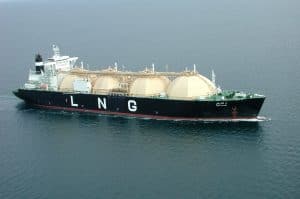
Its latest advisory reported eight projectile attacks against vessels on October 11 and 13, involving four tankers and four container ships. One vessel, the GFS Pride, caught fire and sank on October 14.
Commercial traffic remains well below pre-war levels, although US-assisted vessel movements averaged about 30 transits a day over the preceding 96 hours. The advisory also warned that ships transmitting identification signals faced an elevated risk of being targeted or diverted towards Iranian-controlled routes.
The US Treasury, meanwhile, announced new Iran-related sanctions targeting 16 individuals and 10 entities. Treasury Secretary Scott Bessent said Washington would continue its pressure campaign until Iran’s financial resources were exhausted.