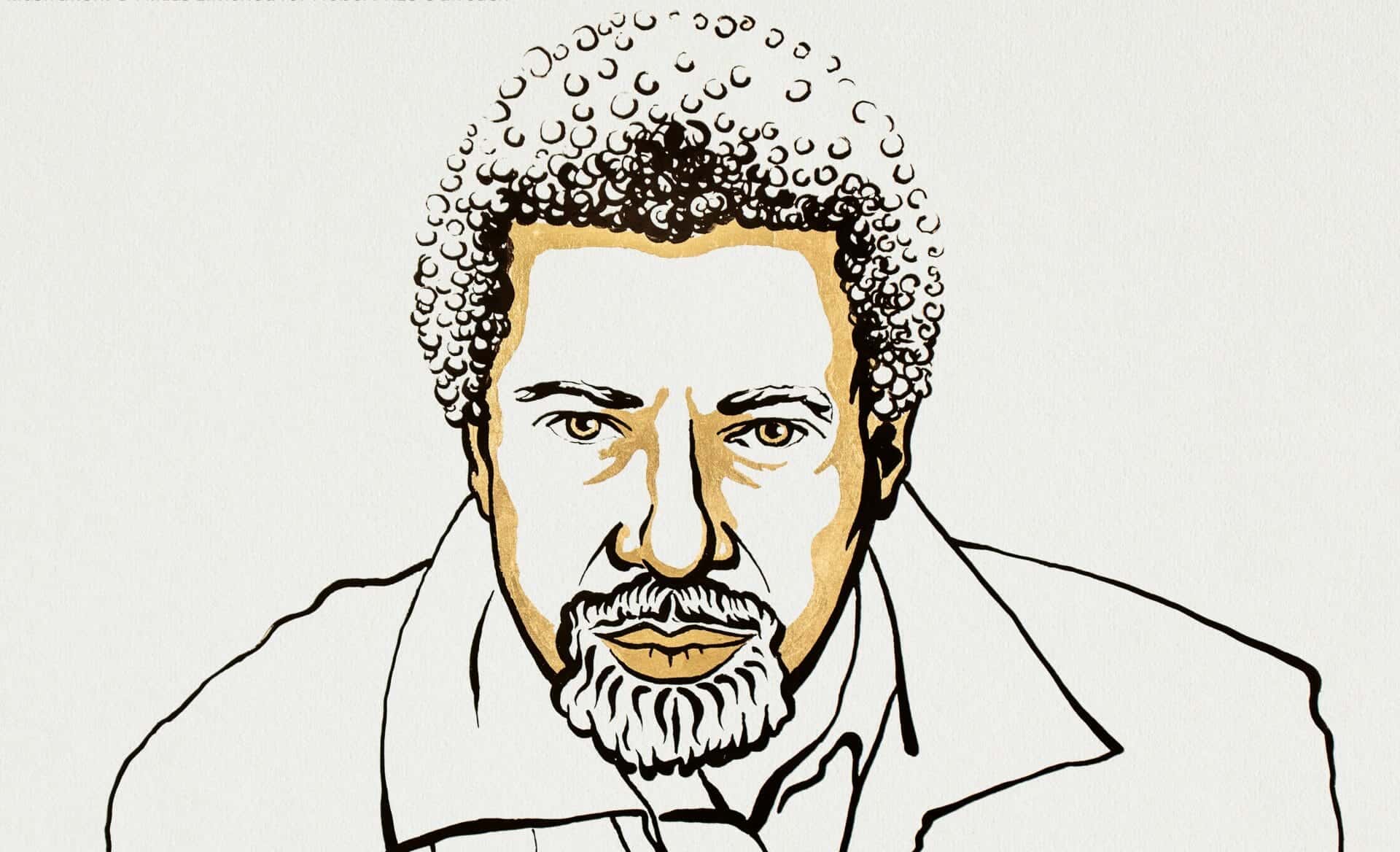

The Nobel Committee announced on Thursday, October 7, that Tanzania-born novelist Abdulrazak Gurnah has won the Nobel Prize for Literature this year.
Gurnah was born in Zanzibar — an island that is currently a part of Tanzania — and active in England.
It said he had been awarded the prize “for his uncompromising and compassionate penetration of the effects of colonialism and the fate of the refugee in the gulf between cultures and continents.”
Born in 1948, Gurnah moved to England in the 1960s, where he has produced works in English, French, Swedish and German after starting to write at the age of 21.
In all, he has written 10 novels and several short stories.
Anders Olsson, chairman of the Nobel Committee, said of Gurnah’s writings: “The theme of the refugee’s disruption runs throughout his work.”
He added: “In all his work, Gurnah has striven to avoid the ubiquitous nostalgia for a more pristine pre-colonial Africa.”
Gurnah’s writing is from his time in exile but “pertains to his relationship with the place he had left,” said Olsson.
He added that the author “consciously breaks with convention, upending the colonial perspective to highlight that of the indigenous populations.”