
Public hospitals in Israel may end their partial strike after the government gave them NIS 100 million ($31 million), local reports have said.
The reports quoted Finance Minister Avigdor Liberman as saying that the Treasury had transferred the amount to the public hospitals.
Staff and administrators at these hospitals have reportedly been protesting against the government’s failure to provide adequate healthcare funding throughout the pandemic.
Liberman said the hospitals would receive additional funds when they met certain criteria laid out by the ministry.
“We will continue to support the healthcare system and enable life alongside the coronavirus,” Liberman tweeted.
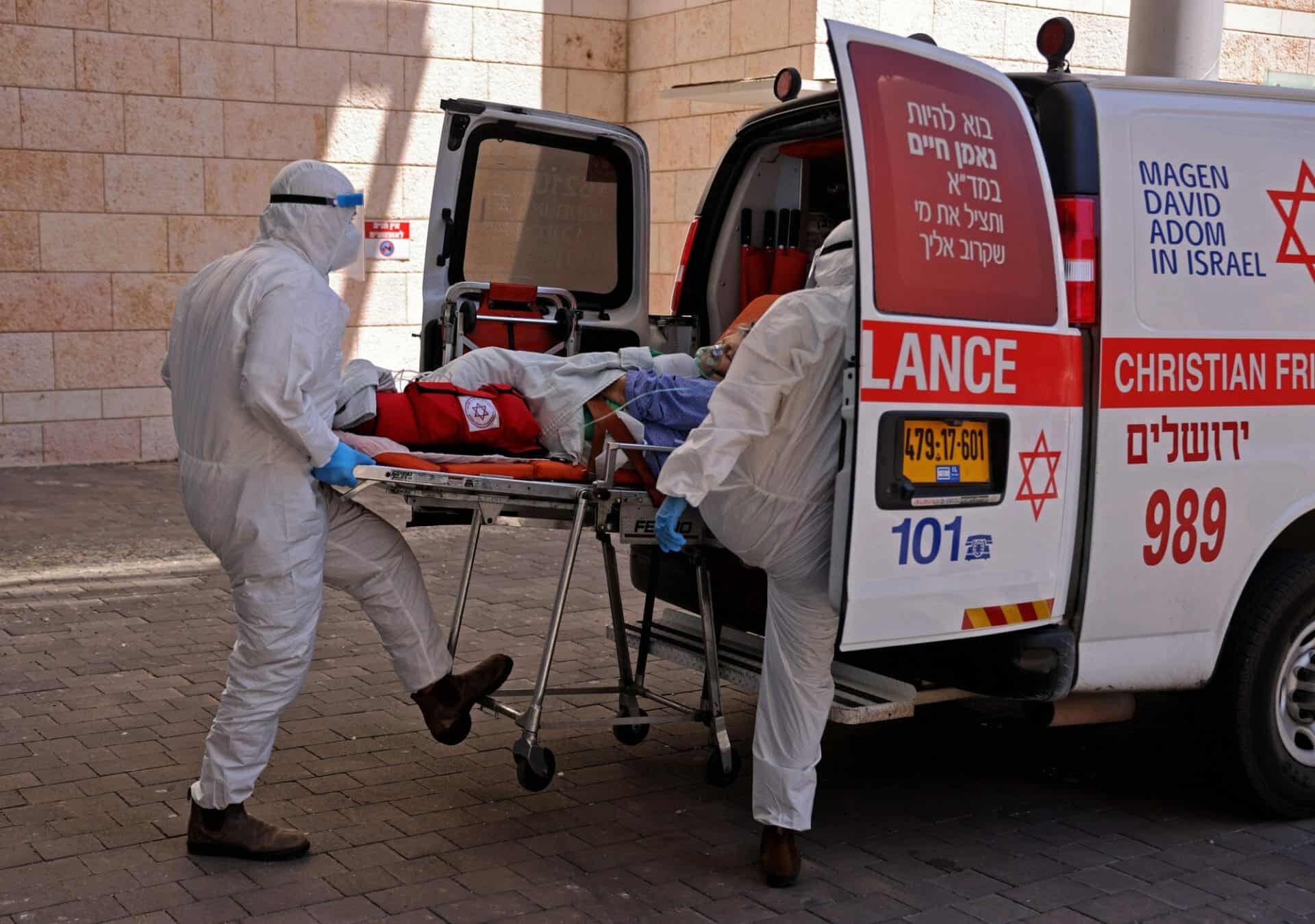
Since Wednesday morning, several public hospitals in Jerusalem have apparently been performing only life-saving procedures, and have refused to admit new patients from the Magen David Adom emergency service.
In response to Liberman’s announcement, the hospital directors issued a statement saying they would not end their strike until a full agreement was reached.
“This is a major failure of the Health Ministry, which has delayed the criteria determination and has impaired the functioning of the hospitals. The finance and health ministries want to suffocate us, and not allow us to develop and plan for next year,” the directors said in a statement.
“Without a defined and clear budget, it is impossible to purchase equipment, recruit doctors and nurses, or run a hospital. Therefore, the emergency format will continue indefinitely, until the full agreement is completed,” they added.
Israel’s seven so-called public hospitals are open to all patients and rely mostly on state funds, though they are privately owned.