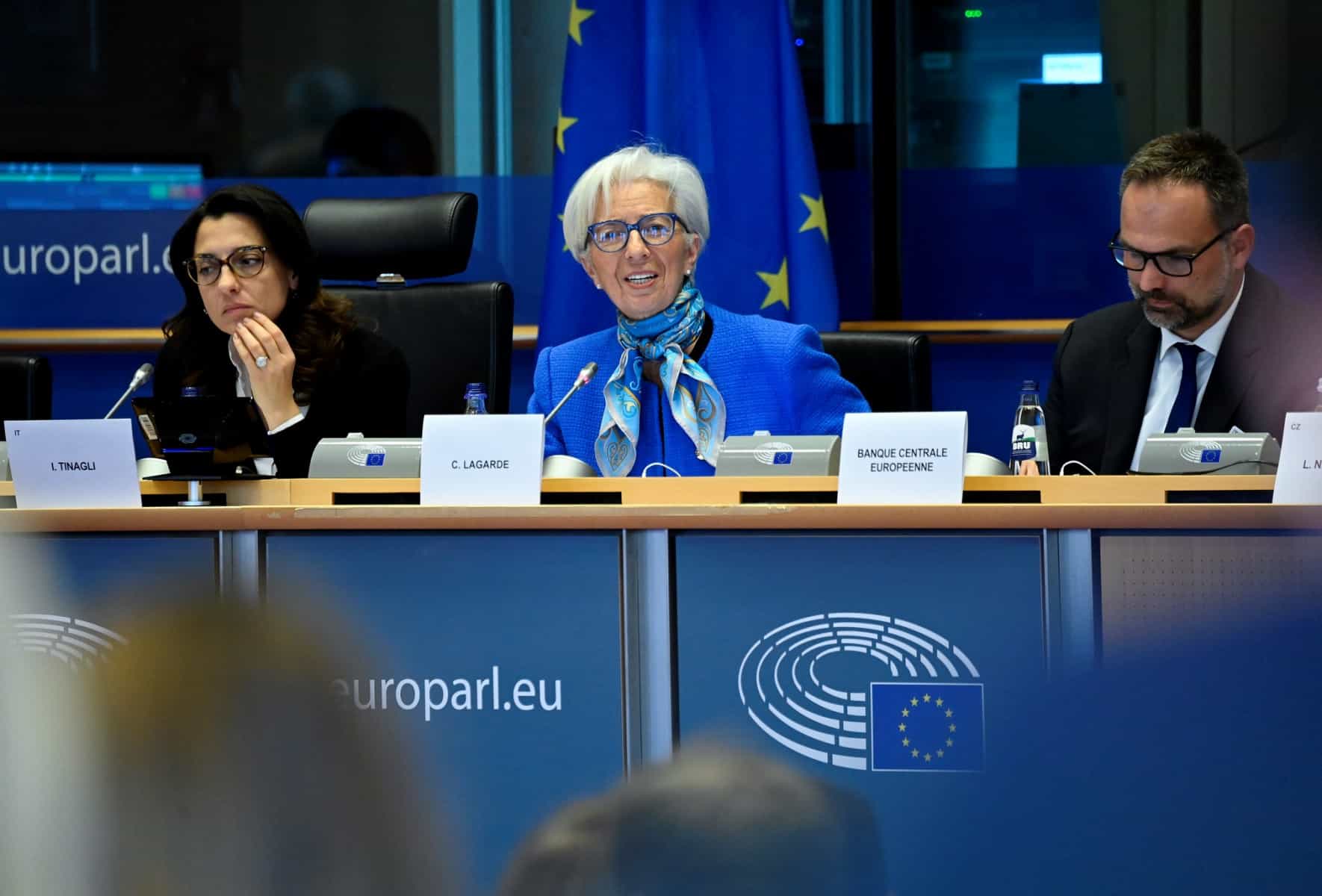

Frankfurt, Germany – Recent financial turbulence could add to “downside risks” in the eurozone, European Central Bank chief Christine Lagarde warned Wednesday, while insisting policymakers remained focused on taming sky-high inflation.
The collapse of three regional US lenders and the enforced UBS buyout of Swiss rival Credit Suisse plunged global markets into turmoil and triggered fears of a snowballing banking sector crisis.
Lagarde said the latest ECB forecasts — which lowered inflation projections and raised the growth outlook for this year — did not take into account the recent upheaval.
“Those tensions have added new downside risks and have made the risk assessment blurrier,” she said in a speech in Frankfurt.
She added that there was “additional uncertainty” when it came to the ECB projections.
The ECB president insisted, however, that if the most recent forecasts were confirmed, “we will still have ground to cover to make sure that inflation pressures are stamped out”.
But faced with “high uncertainty,” future decisions would depend on the data, she said, and refrained from making a commitment to raise rates further.
The recent market turmoil has left central bankers walking a tightrope between pushing on with their efforts to bring down stubbornly high costs and seeking to ensure they do not worsen the upheaval.
After Russia’s invasion of Ukraine sent eurozone inflation soaring last year, the ECB embarked on an unprecedented campaign of monetary tightening, raising rates by 350 basis points since last July.
The Frankfurt-based institution hiked rates half a percentage point at its meeting last week, as it had previously pledged to do, shrugging off calls to pause its tightening or slow the pace in response to the turmoil.
Declining energy prices in recent months have helped slow inflation to 8.5 percent in February.
After days of turmoil, markets have been recovering this week as pledges of government support soothed worries over the banking sector.