This is a temporary backup site for TRENDS MENA while our primary website is being restored following a regional disruption affecting Amazon Web Services cloud infrastructure in the GCC.

Search Site

ADNOC Distribution 2025 dividend $700m

The company had reported EBITDA of $1.17 bn in 2025.

Empower okays $119.1m H2 2025 dividend

The dividend is equivalent to 43.75% of paid-up capital.

Alujain widens 2025 loss

The increase in loss is due to impairment charges, weaker prices.

Masar 2025 net profit $262m

Higher land plot sales boost revenue and operating income.

Tasnee’s 2025 losses deepen

The petrochemicals' company's revenue also fell 17.7 percent.

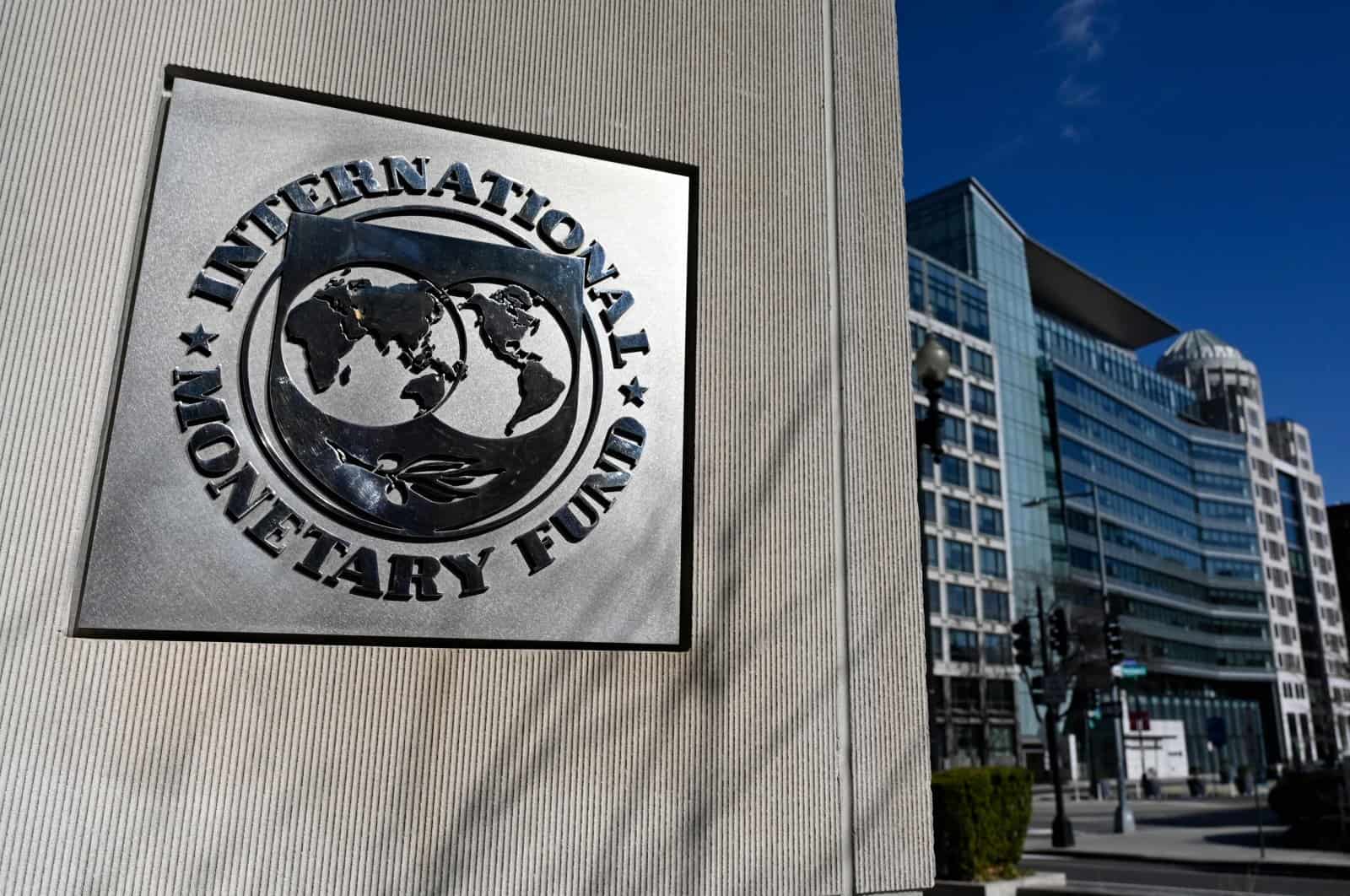
IMF says talks continue on aid program for Tunisia

  • The North African country has seen its economy crippled by a crisis exacerbated by the coronavirus pandemic and the war in Ukraine, which has sent public debt soaring
  • Fund officials had "productive" discussions with Tunisian authorities over the past two weeks, and talks "will continue over the coming weeks towards a staff-level agreement
The IMF said Tuesday talks will continue with Tunisia on a new loan program to aid the country as it faces a severe economic crisis.
Fund officials had “productive” discussions with Tunisian authorities over the past two weeks, and talks “will continue over the coming weeks towards reaching a staff-level agreement,” IMF mission chief Bjorn Rother said in a statement.The North African country has seen its economy crippled by a crisis exacerbated by the coronavirus pandemic and the war in Ukraine, which has sent public debt soaring.

Experts say the government is seeking an aid package worth about two billion euros.

Rother praised Tunisian officials for “making important progress with their economic agenda” but said the nation faces a “challenging” outlook.

“Growth will likely decelerate while higher international prices for energy and food are adding to already high inflation and are increasing fiscal and external deficits and debt,” he said. “Urgent measures are needed to reduce these imbalances in a socially sustainable manner.”

The government of President Kais Saied, who last year staged a dramatic power grab, has proposed a reform package that includes freezing the public wage bill, cutting some subsidies and restructuring state firms.

Rother said that in addition to reducing the growth of public wage costs, the country needs to phase out energy subsidies with “regular price hikes,” and shore up tax collection, while also strengthening the social safety net.

The powerful UGTT trade union, which staged a nationwide public sector strike last month over pay, has rejected “painful options” aimed at meeting IMF demands.