
Washington, United States — Auto giant Ford reported a slight drop in first-quarter US sales Tuesday, while investors await details of President Donald Trump’s upcoming tariffs this week and assess the effects of duties on major carmakers.
The automaker reported a 1.3 percent dip in sales in the world’s biggest economy, to 501,291 vehicles, compared with the same period in 2024.
This was mainly due to the discontinuation of certain vehicle models and rental fleet sales timing, the company said.
But its first-quarter figure exceeded a forecast by automotive research firm Edmunds.
Ford maintained in a statement that it saw “strong retail sales in March.”
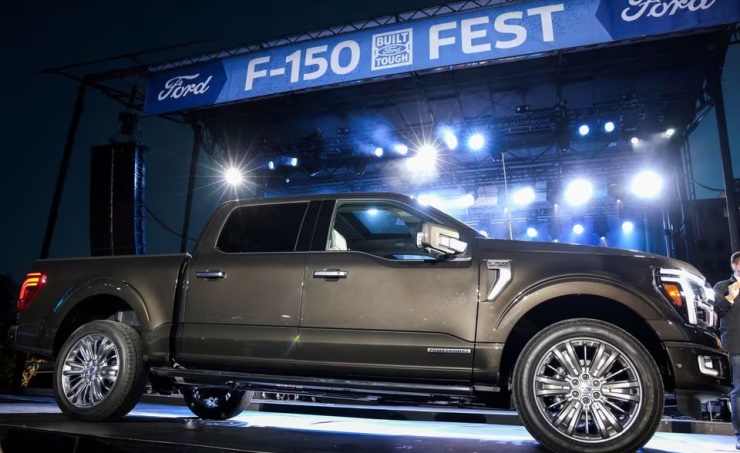
It pointed to the sales of its best-selling F-Series pickup trucks and the Ranger and Maverick models as boosts to its overall performance.
But economists warn that Trump’s sweeping tariffs on autos and parts, over time, could cause average auto prices to surge by thousands of dollars.
Auto tariffs of 25 percent are set to kick in Thursday. Trump is due to announce additional reciprocal levies midweek to address trade practices his administration deems unfair.
The reciprocal action could further affect US neighbors Canada and Mexico, both key players in North American vehicle manufacturing supply chains.
JPMorgan analysts have estimated that over 80 percent of Ford’s US sales are produced domestically.
The American Automotive Policy Council representing the big three automakers has warned that tariffs should be implemented in a way that avoids lifting costs for consumers and preserves the industry’s competitiveness.