
A case filed by the Hashed al-Shaabi former paramilitary alliance contesting its defeat in Iraq’s October 10 parliamentary election opened in a federal court on Monday.
Judge Jassem Mohamed Aboud, whose court must rule on the complaint before final results are ratified and a new parliament is inaugurated, adjourned the case until December 22 after a procedural hearing.
Shiite Muslim firebrand cleric Moqtada Sadr was declared on November 30 as the biggest winner of the election.
Sadr’s movement won nearly a fifth of the seats — 73 out of the assembly’s total 329, well ahead of the Fatah (Conquest) Alliance, the political arm of the pro-Iran Hashed.
Hashed leaders have rejected the result — sharply down from their 48 seats in the outgoing assembly — as a “fraud”.
Mohamed Majid al-Saadi, lawyer for the plaintiffs, told AFP at the court that the aim of the Hashed’s appeal was “to have the results annulled” because of “serious violations”.
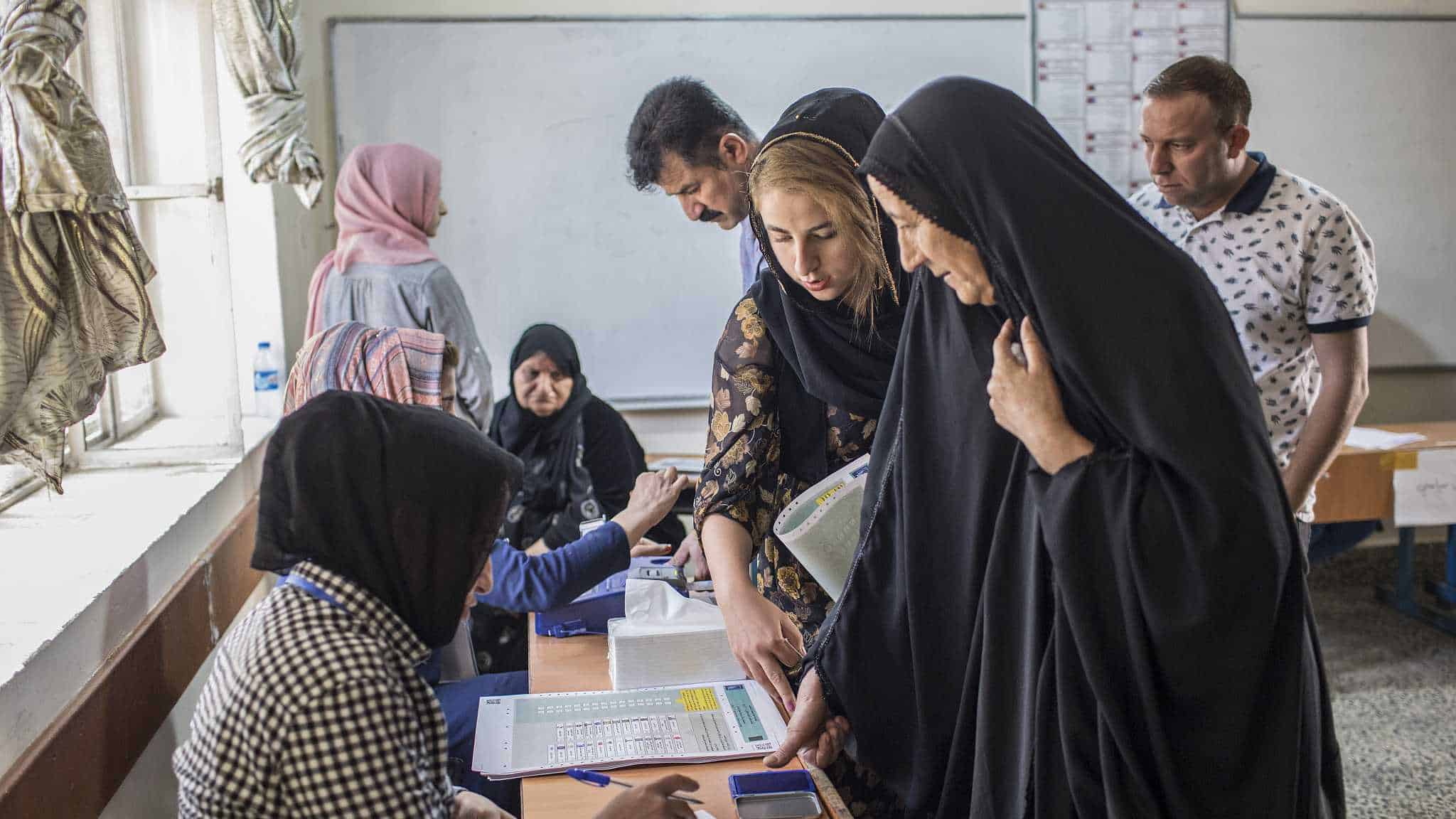
According to the Fatah Alliance, the electronic voting system had failed to recognize the finger print identification of many voters.
It has also protested at alleged failings of a new electronic machine used for the election and organized demonstrations.
Tensions over fraud allegations and violence culminated on November 7 in an assassination attempt against Prime Minister Mustafa al-Kadhemi, from which he emerged unharmed.
No group has claimed the attack.
UN special representative Jeanine Hennis has noted that “so far and as stated by the Iraqi judiciary, there is no evidence of systemic fraud”.