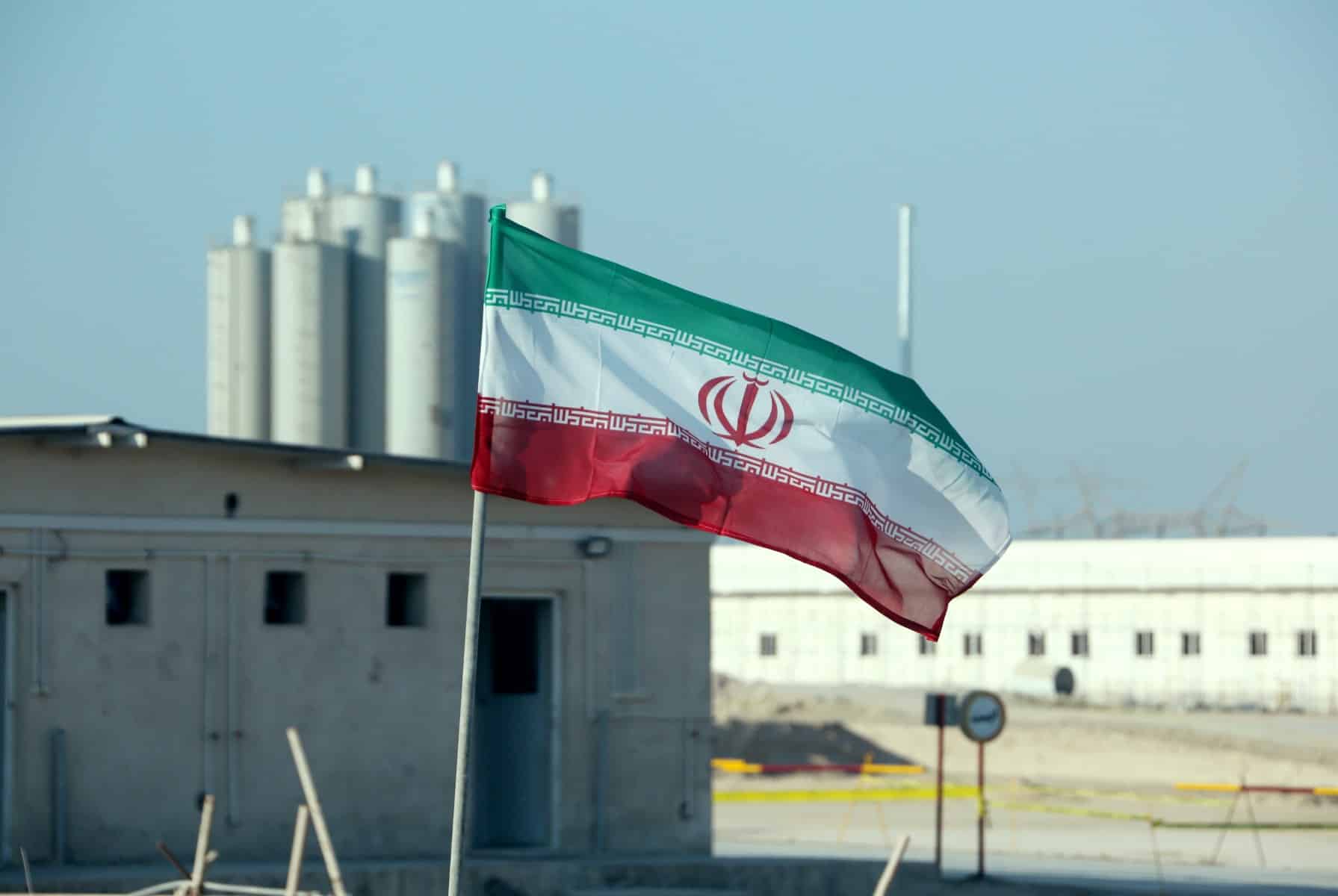

The EU said Tuesday it expects Tehran and Washington to “very quickly” respond to a “final” text aimed at salvaging a 2015 deal meant to curb Iran’s nuclear programme.
“There is no more space for negotiations,” a foreign policy spokesman for the bloc, Peter Stano, told journalists in Brussels.
“We have a final text. So it’s the moment for a decision: yes or no. And we expect all participants to take this decision very quickly.”
EU foreign policy chief Josep Borrell, who served as coordinator for the negotiations, said Monday the text had been submitted for capitals involved to make a political decision on whether to accept it.
Iran has said it is studying the 25-page text.
Britain, China, France, Germany, Iran and Russia, as well as the United States indirectly, resumed talks on the issue last week, after a months-long hiatus.
The EU-coordinated negotiations to revive the JCPOA began in April 2021 before coming to a standstill in March.
The 2015 accord gave Iran sanctions relief in exchange for curbs on its atomic programme to guarantee Tehran could not develop a nuclear weapon — something it has always denied wanting to do.
But the unilateral withdrawal of the United States from the deal under president Donald Trump in 2018 and the reimposition of biting economic sanctions prompted Iran to begin rolling back on its own commitments.
The UN’s atomic watchdog, the International Atomic Energy Agency (IAEA), has found traces of enriched uranium at three undeclared Iranian sites. The agency’s board of governors in June censured Iran for inadequately explaining the discovery.
Iranian sources at the weekend insisted that the IAEA first “completely resolve” that “political” issue to clear the way for the nuclear deal to be restored.
Iran had previously dug in its heels over a demand that its Revolutionary Guards be removed from a US “terrorist” blacklist, but dropped that after Washington refused.