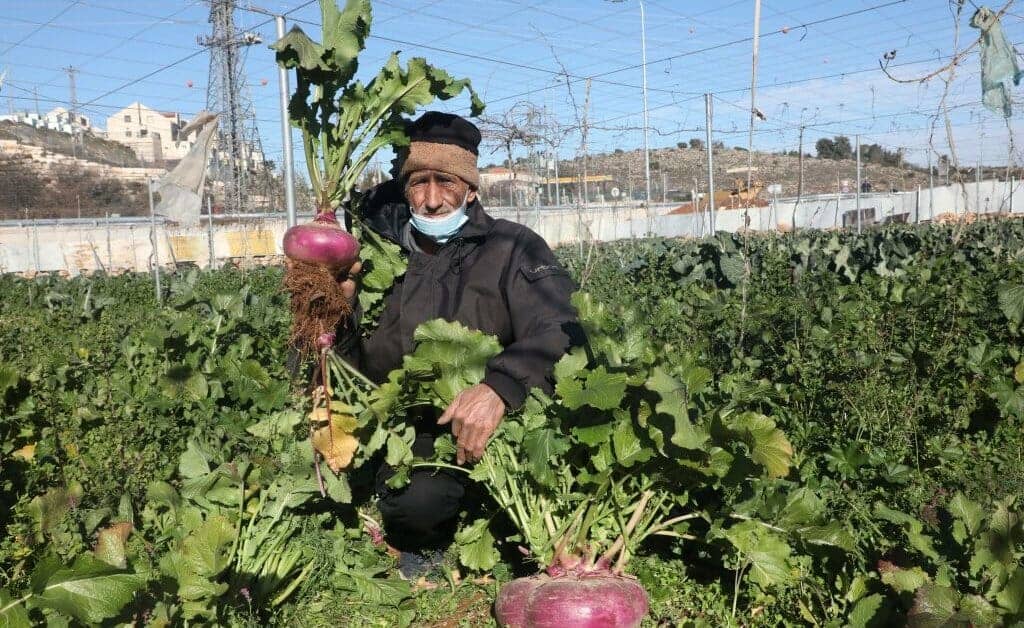

Israel said on Monday, October 25, that it was opening its border to agricultural workers from neighboring Lebanon, with which it is technically at war, to pick olives.
“In light of the economic situation in Lebanon, and as a gesture of goodwill to the Lebanese people, the IDF opened the border to agricultural workers from Al Jabal, Itaron and Balida,” an Israel Defense Force statement read.
“The IDF allowed the workers to cross the Blue Line, to a certain extent, allowing them to harvest olive trees in Israeli territory,” the statement added, referring to the 2000 UN-drawn demarcation line.
An army spokesman told AFP several groups had been allowed across since October 10.
The statement said the United Nations Interim Force in Lebanon or UNIFIL, overseeing a buffer zone between the two states, had “reported the gesture” to the Lebanese side.
Tensions had been escalating afresh between the two countries since August, when Israel carried out its first air strikes on Lebanese territory in seven years and Iran-backed Lebanese movement Hezbollah claimed a direct rocket attack on Israeli soil for the first time since 2019.
In 2006, the most recent large-scale confrontation between Israel and Hezbollah left some 1,200 Lebanese — mainly civilians — as well as 160 Israelis, mostly soldiers, dead.
That month-long engagement ended in a UN-backed ceasefire.
The neighbors last year began historic UN-brokered talks on setting their maritime border, even though the discussions are currently stymied.
Lebanon has for the past two years been mired in economic, political, and social crisis and its residents are subject to banking restrictions preventing easy access to money.
Meanwhile the local currency has plummeted some 90 percent against the dollar on the black market.
Around 80 percent of the population are struggling to escape poverty amid ballooning inflation and shortages of fuel, medicine, and electricity.