
Tunis, Tunisia — Tunisia announced tight restrictions on water usage, including rationing tap water, on Friday, as the drought-hit country braces for another baking summer.
The North African country’s dams are at critical lows following years of drought, exacerbated by pipeline leaks in a decrepit distribution network.
The agriculture ministry announced a ban on the use of potable water for irrigating farmland or green spaces, or for cleaning public areas or cars.
It said it would also implement quotas for mains supply to households until September.
The head of public water company Sonede, Mosbah Helali, said fines and even prison sentences were being considered for those breaking the rules, telling radio station Mosaique FM that mains supply would be cut between 9:00 pm and 3:00 am.
Residents of several areas of the capital have already complained of unannounced cuts to their mains supply at night since the start of the fasting month of Ramadan, when many stay up late.
“Years of drought and low water flow into reservoirs has impacted the country’s water stocks, which have reached an unprecedented situation,” the ministry said.
None of the country’s major reservoirs is more than a third full, while some are at less than 15 percent, threatening Tunisia’s agricultural sector, which usually accounts for 10 percent of Gross Domestic Product.
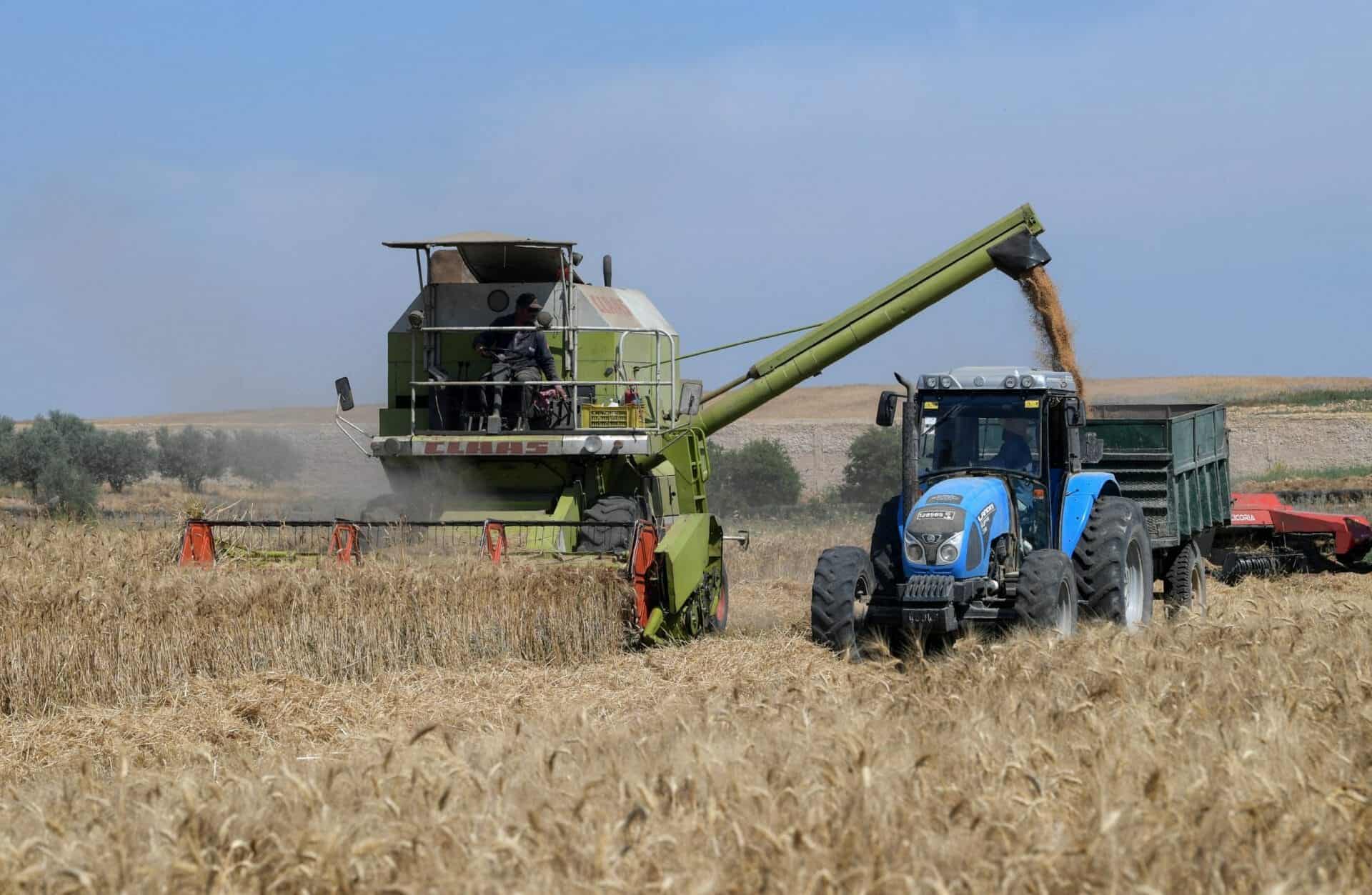
Farmers’ unions have voiced fears for the coming season, particularly as regards cereals. A poor domestic harvest would compound Tunisia’s problems procuring sufficient flour in the face of skyrocketing international wheat prices since Russia’s invasion of Ukraine early last year.
The Tunisian Federation for Agriculture and Fisheries said thousands of hectares of farmland risked being left fallow due to the lack of rain.
“This year’s cereal season will be catastrophic — there won’t be a harvest,” spokesman Anis Kharbech told Tunisian media. He said projected yields would not even be enough to provide seeds for next year’s crop.
Scientists say that recurring heatwaves are a clear marker of human-caused global warming, and that droughts worldwide are set to become more frequent, longer and more intense.