
A key US inflation measure showed price increases held steady in the 12 months ended in May, while consumer spending growth slowed sharply, according to government data released Thursday.
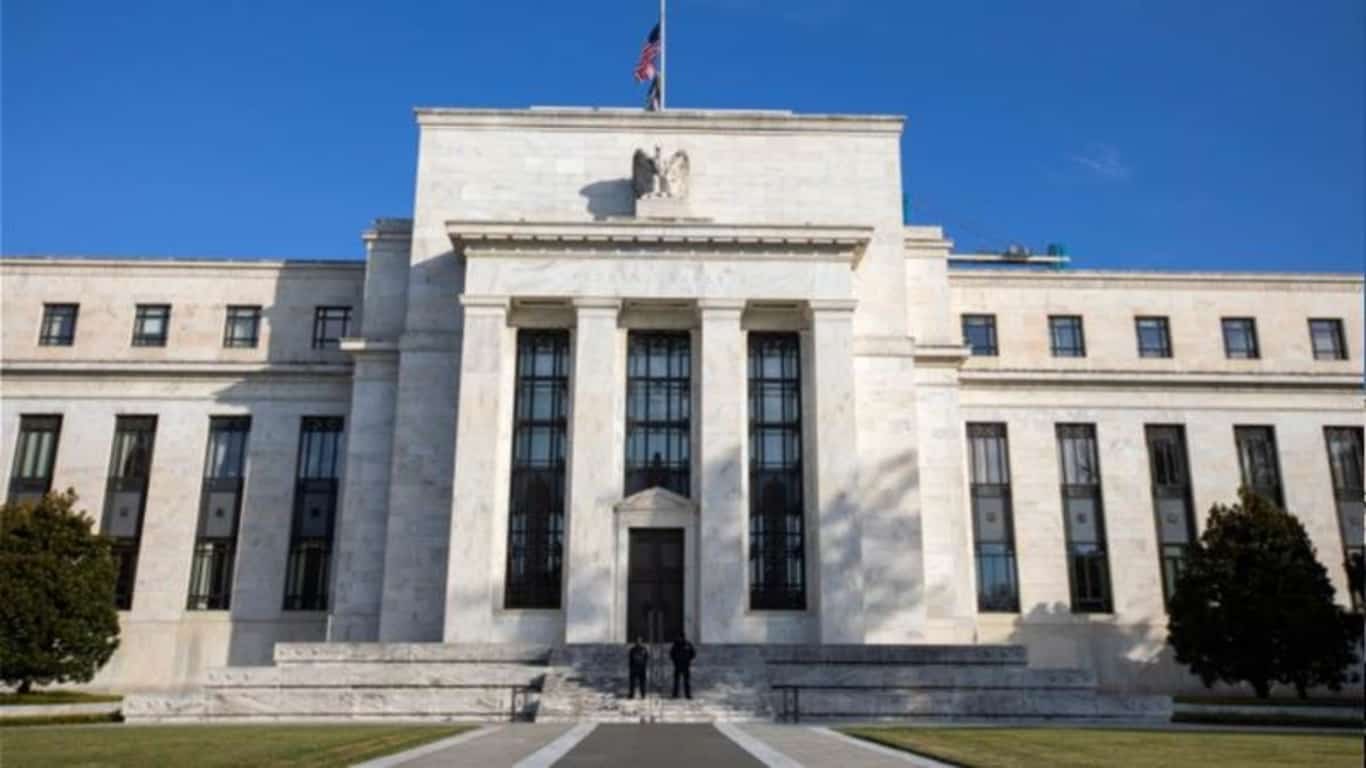
The trend could comfort consumers and central bankers alike, as it could be a sign the Fed’s aggressive interest rate plans are starting to have an impact to quell the fastest surge in inflation in more than 40 years.
The personal consumption expenditures (PCE) price index rose 6.3 percent compared to May 2021, the same pace as in the prior month, even as it jumped 0.6 percent compared to April, the Commerce Department reported.
The monthly increase was much faster than in the prior month, but slightly below what economists had projected.
But spending edged up just 0.2 percent, less than half the increase in April and part of a steady downward drift as consumers pull back amid surging prices.
The world’s largest economy has been battered for months by a cresting inflation wave, made more painful by the surge in energy prices sparked after Russian leader Vladimir Putin ordered the invasion of Ukraine in late February.
Excluding volatile food and energy prices, PCE rose 0.3 percent in the month, the same as in April, and slowed slightly to 4.7 percent over the past year, the report said.
The PCE price index is the Federal Reserve’s preferred inflation gauge, as it reflects consumers’ actual spending, including shifts to lower-cost items, unlike the more well-known consumer price index, which jumped 8.6 percent in May.
PCE also gives less weight to things like rent, vehicles and airline fares, which have contributed to the blistering pace of the CPI rise.