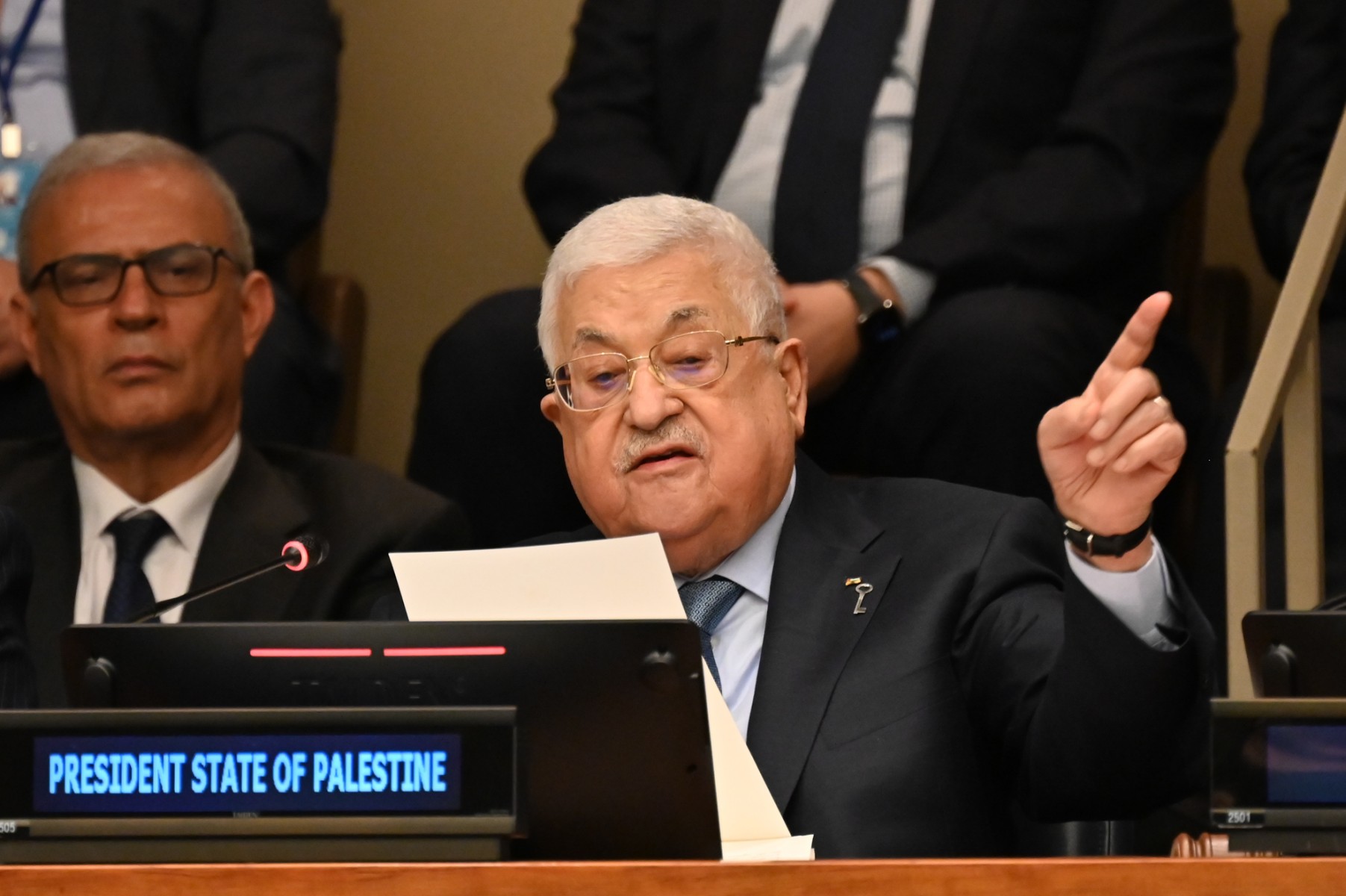

Ramallah, Palestinian Territories — Palestinian Authority president Mahmud Abbas on Thursday approved the new government presented by prime minister Mohammed Mustafa, who aims to see it play a role in post-war Gaza.
Mustafa said the “top national priority” for the new government, whose members are set to take office on Sunday, would be the end of the war in Gaza.
He added that his cabinet “will work on formulating visions to reunify the institutions, including assuming responsibility for Gaza”.
In January, just over three months into the Israel-Hamas war, US Secretary of State Antony Blinken visited Ramallah and urged “administrative reforms” to benefit Palestinians and potentially reunite the West Bank and Gaza under a single authority.
The new government is made up of 23 ministers, including three women and six Palestinians from Gaza, among them former Gaza City mayor Maged Abu Ramadan.
The fighting and destruction in the Gaza Strip — which the Palestinian Islamist movement Hamas took over from Abbas’s government in 2007 — has piled pressure on the Palestinian Authority.
In his first public appearance after his nomination, Mustafa talked of “transparency” and “zero tolerance” for corruption.
The PA has long been stained by divisions, corruption scandals, authoritarian tendencies and the apparent collapse of the Israeli-Palestinian peace process.
Abbas’s recent measures have so far done little to reassure diplomats eager to find an able and reliable Palestinian partner when the war ends.