
Dubai, UAE — Qatari Prime Minister Sheikh Mohammed bin Abdulrahman bin Jassim Al Thani is due to visit Tehran on Thursday for talks aimed at de-escalating tensions and reviving dialogue between Iran and the United States.
Majed al-Ansari, spokesman for Qatar’s Ministry of Foreign Affairs, announced the visit on Wednesday, saying Sheikh Mohammed would meet “a number of Iranian officials” to discuss ways to reduce tensions and create conditions conducive to dialogue.
Sheikh Mohammed, who is also Qatar’s foreign minister, will reaffirm Doha’s position that diplomacy remains the best way to resolve differences and promote regional security and stability.
Iran confirmed the visit, saying discussions would cover the continuation of Qatar’s mediation efforts and initiatives, as well as other regional developments.
Qatar has previously served as a back-channel between Washington and Tehran and helped secure a memorandum of understanding in June that briefly halted hostilities.
The agreement collapsed in July. The conflict is now approaching its sixth month, with fighting largely paused but no diplomatic breakthrough in sight.
Washington maintains pressure
Sheikh Mohammed’s visit comes as the United States continues to increase economic pressure on Tehran.
US President Donald Trump said on Wednesday that he was in “no hurry” to resume talks with Iran, arguing that economic and military pressure were both proving effective.
“I have no time schedule; whatever it takes,” Trump said.
Washington has also threatened further sanctions targeting Iran’s trading partners, raising the pressure on countries and businesses maintaining commercial ties with Tehran.
Iran has rejected the sanctions campaign.
Foreign Minister Abbas Araghchi wrote to the United Nations on Wednesday describing the latest measures as an “act of state and economic terrorism” and urged member states not to implement them.
Araghchi said the sanctions would harm civilians by restricting access to food, medicine, medical equipment, energy and other essential goods.
Hormuz remains central to talks
The Strait of Hormuz is expected to feature prominently in Sheikh Mohammed’s Tehran meetings.
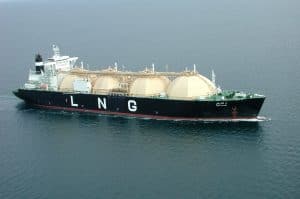
The waterway carried about one-fifth of global oil and liquefied natural gas shipments before the US-Israel war on Iran began in February.
Washington and Tehran remain sharply divided over its status.
Iran wants control over the strategic waterway, while the United States insists it should remain an international waterway open to all shipping. The dispute contributed to the collapse of the June memorandum.
Oil flows through Hormuz have since fallen sharply.
Only about 5 million barrels per day transited the strait on Monday, a three-month low, compared with roughly 20 million barrels per day before the war.
Qatar’s Foreign Ministry said Sheikh Mohammed would discuss the need for the waterway to return to the status quo that existed before February 28.
Regional mediation gathers pace
Qatar’s diplomatic initiative follows a series of other regional efforts aimed at breaking the stalemate.
Omani Foreign Minister Badr Albusaidi met Araghchi in Tehran two days before Sheikh Mohammed’s planned visit.
Following those talks, Iran’s Deputy Foreign Minister Kazem Gharibabadi said Tehran and Muscat had agreed on a temporary route for shipping through the Strait of Hormuz.
Gharibabadi, however, said the waterway would not fully reopen until the United States met its commitments under the June agreement, including lifting sanctions and releasing frozen Iranian assets.
Pakistan has also entered the diplomatic effort.
Army chief Asim Munir visited Tehran earlier in the week in an attempt to “end the stalemate”. Islamabad said the talks had produced “significant progress”.
The intensified regional diplomacy reflects growing concern that the current impasse could deteriorate into renewed conflict.
Mostafa Khoshcheshm, a professor at the University of Applied Sciences in Tehran, said regional countries were pushing for dialogue because they believed the situation was moving towards escalation.
He said countries in the region feared that a renewed war could spread beyond Iran and affect the wider global economy.
The diplomatic activity by Qatar, Oman and Pakistan comes as Washington and Tehran remain far apart, leaving regional mediators to search for a pathway back to negotiations while tensions around sanctions, military pressure and Hormuz continue to weigh on the region.