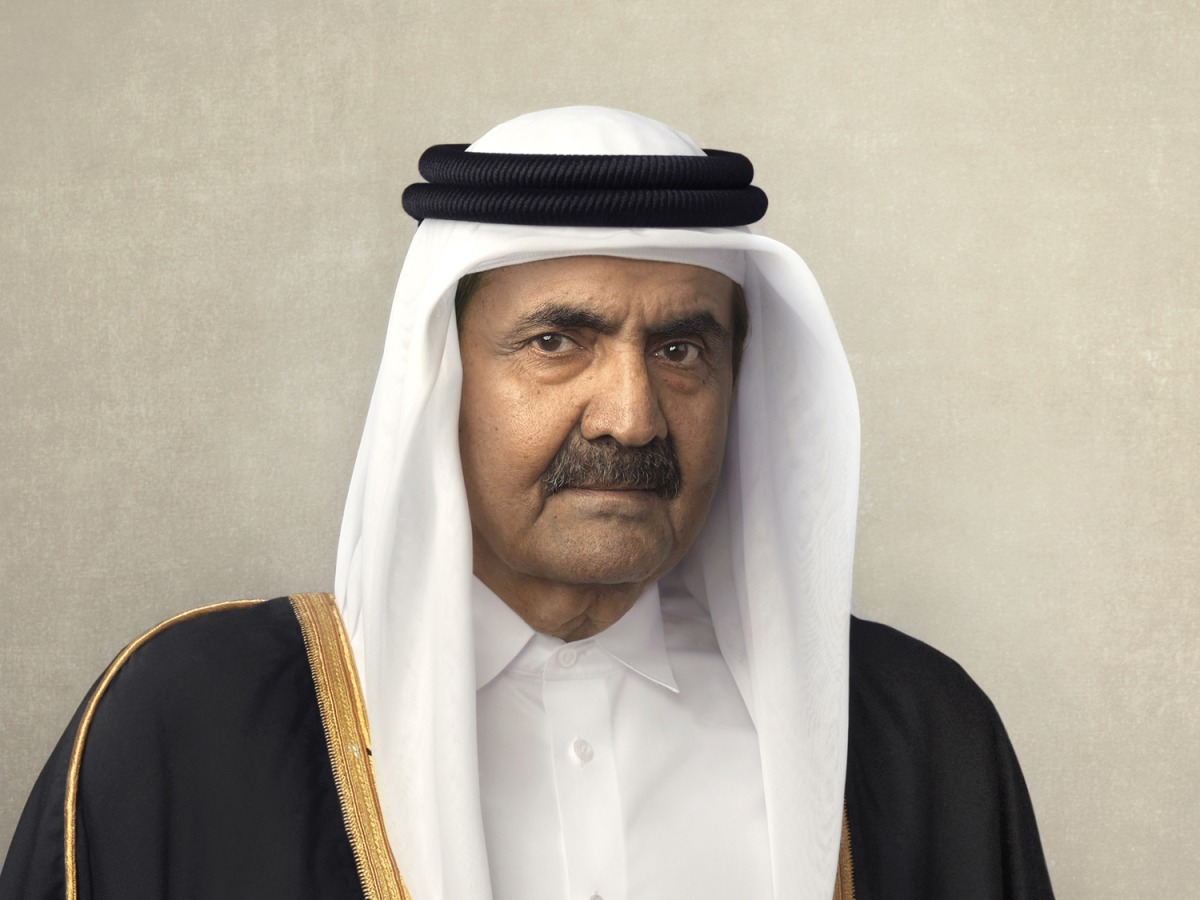

Sheikh Hamad bin Khalifa Al Thani, the former emir who transformed Qatar from a little-known Gulf monarchy into one of the Middle East’s most influential states, died on Sunday at the age of 74, closing a defining chapter in the country’s modern history.
The Amiri Diwan announced the death of the Father Amir in a brief statement, while Qatar declared four days of national mourning, ordered flags to fly at half-mast and suspended work across public institutions. No cause of death was disclosed.
Few Arab leaders left as profound a mark on their country’s trajectory as Sheikh Hamad. During his 18-year reign between 1995 and 2013, he oversaw Qatar’s emergence as an economic powerhouse, a diplomatic intermediary, an energy giant and an increasingly influential voice in regional affairs.
When Sheikh Hamad assumed power in June 1995, Qatar was a wealthy but largely peripheral Gulf state.
By the time he voluntarily abdicated in favour of his son, the current emir, Sheikh Tamim bin Hamad Al Thani, the country had become one of the world’s richest nations per capita and a pivotal player in Middle East diplomacy.
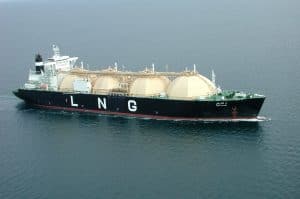
Central to that transformation was the exploitation of the vast North Field natural gas reserves, which enabled Qatar to become one of the world’s leading exporters of liquefied natural gas.
The resulting revenues funded sweeping infrastructure projects, expanded Qatar’s sovereign wealth investments across Europe, Asia and North America, and underpinned an ambitious foreign policy that far exceeded the country’s small geographic size.
His rule fundamentally altered Qatar’s international profile. In 1996, he authorised the launch of Al Jazeera, the satellite television network that revolutionised Arabic-language news and reshaped media across the region.
Though often criticised by neighbouring governments, the broadcaster became one of Qatar’s most recognisable global institutions and an important pillar of its soft power.
Domestically, Sheikh Hamad pursued cautious political reforms. Qatar adopted its first permanent constitution in 2004, introduced municipal elections and expanded opportunities for women to participate in public life.
While political power remained firmly with the ruling family, the reforms distinguished Qatar from many of its Gulf neighbours.
His government also invested heavily in education, healthcare, aviation and culture. Education City attracted leading international universities, while Qatar Airways evolved into one of the world’s premier airlines.
Massive infrastructure spending eventually paved the way for Qatar to host the 2022 FIFA World Cup, the first tournament held in the Arab world.
Beyond economics, Sheikh Hamad sought to position Qatar as an indispensable diplomatic broker. Doha hosted negotiations and mediated conflicts involving Lebanon, Sudan, Yemen, Afghanistan and the Palestinian territories.
Qatar simultaneously maintained close ties with the United States, hosting the strategically important Al Udeid Air Base, while cultivating relationships with a broad spectrum of regional actors, including groups shunned by many Western and Arab governments. That balancing act enhanced Qatar’s diplomatic relevance but also generated periodic friction with neighbouring Gulf states.
His policies toward Gaza reflected this activist foreign policy. Qatar became one of the enclave’s principal financial supporters, funding housing, roads and reconstruction projects. A major hospital in Gaza City bears his name, symbolising Doha’s long-standing engagement with the Palestinian territory.
Perhaps Sheikh Hamad’s most unexpected decision came in June 2013, when he voluntarily relinquished power to Crown Prince Sheikh Tamim. Peaceful abdications were virtually unheard of among hereditary Gulf rulers, and he described the move as part of a deliberate effort to entrust the country’s future to a younger generation. The succession proceeded smoothly and has since been viewed as one of the defining moments of Qatar’s political evolution.
Following his retirement, Sheikh Hamad largely withdrew from day-to-day politics but remained a revered national figure. His appearance during the opening ceremony of the 2022 World Cup drew a standing ovation from spectators, reflecting the widespread public recognition of his role in building modern Qatar.
Tributes poured in from leaders across the region and beyond following news of his death. Indian Prime Minister Narendra Modi described him as a “visionary leader”, while leaders including UAE President Sheikh Mohamed bin Zayed Al Nahyan and Pakistan’s President Asif Ali Zardari praised his contributions to Qatar’s development and regional diplomacy.
Whether admired for his ambition or criticised for his assertive regional policies, Sheikh Hamad leaves behind a country transformed. Under the stewardship of Emir Sheikh Tamim, Qatar continues to wield influence in global energy markets, diplomacy and international affairs—an enduring legacy of the ruler who propelled the small Gulf state onto the world stage.