
Dubai, UAE — Iran buried former supreme leader Ali Khamenei on Friday at the Imam Reza shrine in Mashhad after days of funeral ceremonies, even as fresh exchanges between the United States and Iran fuelled fears of renewed regional escalation.
At the same time, more ships resumed transits through the Strait of Hormuz, although fuel markets continued to signal lingering supply constraints despite relatively subdued crude oil prices.
Khamenei laid to rest amid renewed fighting
Khamenei’s flag-draped coffin was carried into the Imam Reza shrine in his hometown of Mashhad, where state television said he was buried in a memorial hall following prayers attended by thousands of mourners.
The burial came after a second day of tit-for-tat attacks between Washington and Tehran. Iranian officials said US strikes killed 17 people, while state media reported one attack targeted a railway line between Tehran and Mashhad.
Separately, Iranian state media said a US projectile struck a military headquarters on the outskirts of Bushehr, home to Iran’s only civilian nuclear power plant. A US defence official denied Washington was carrying out strikes at the time.
US President Donald Trump also spoke with Israeli Prime Minister Benjamin Netanyahu to discuss Washington’s latest moves in the Gulf, according to Netanyahu’s office.
More vessels resume Hormuz transits
Shipping traffic through the Strait of Hormuz showed further signs of recovery despite continued security concerns.
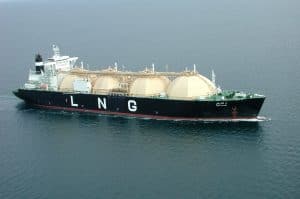
Ship-tracking data showed at least five ballast LNG carriers entered the strait in recent days, while Japan’s transport ministry said 22 Japan-linked vessels, including six very large crude carriers, had exited the Gulf between July 7 and July 9. Only four Japan-linked ships remained inside the Gulf.
The resumption follows disruptions earlier this week after Iranian attacks on commercial shipping and US retaliatory strikes reduced vessel movements through the strategic waterway, which normally carries about one-fifth of global oil supplies.
Fuel markets remain tight despite easing crude prices
Oil prices have retreated sharply from peaks reached during the Iran conflict, but gasoline and diesel markets continue to reflect tight supply conditions.
Analysts say the disconnect suggests inflationary pressures on consumers and industry could persist even as crude flows through Hormuz gradually recover.
Pressure intensified after Russia banned diesel exports following Ukrainian attacks on refining infrastructure, raising concerns over domestic fuel supplies. At the same time, refiners in Europe and the United States have struggled to process additional crude released from emergency reserves and increased Middle East exports during the US-Iran ceasefire.
“There’s just not enough refining capacity left globally to deal with all this,” Sparta Commodities analyst Neil Crosby said, adding that sustained high fuel prices could eventually curb consumer demand.