
Baghdad, Iraq — Iraq’s oil minister Hayan Abdel-Ghani has said the Iraqi government was keen to support the Lebanese people and consider their fuel needs.
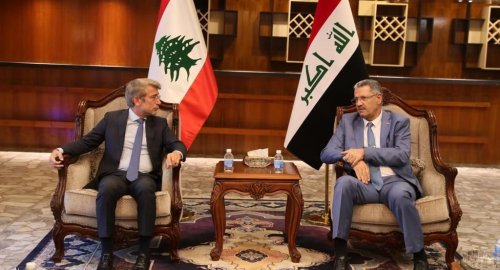
Abdul-Ghani received the Lebanese Minister of Energy and Water, Walid Fayyad, and his accompanying delegation.
During the meeting, they discussed prospects for bilateral relations and cooperation between the two brotherly countries in the oil and energy sector and ways to enhance them in a way that serves common interests, Iraqi News Agency reported.
The minister said the Iraqi government will study Lebanon’s fuel and crude oil needs and work towards meeting these needs.
For his part, Walid Fayyad appreciated the support of the government and people of Iraq and the Ministry of Oil for the Lebanese people and standing with them in their economic crisis, especially in meeting a large part of their fuel needs to generate electric power.
And Fayyad said, “The meeting with the Deputy Prime Minister for Energy Affairs, Minister of Oil, and officials in the ministry was fruitful and included discussing the possibility of increasing the allocated quantities of black oil and crude oil.”