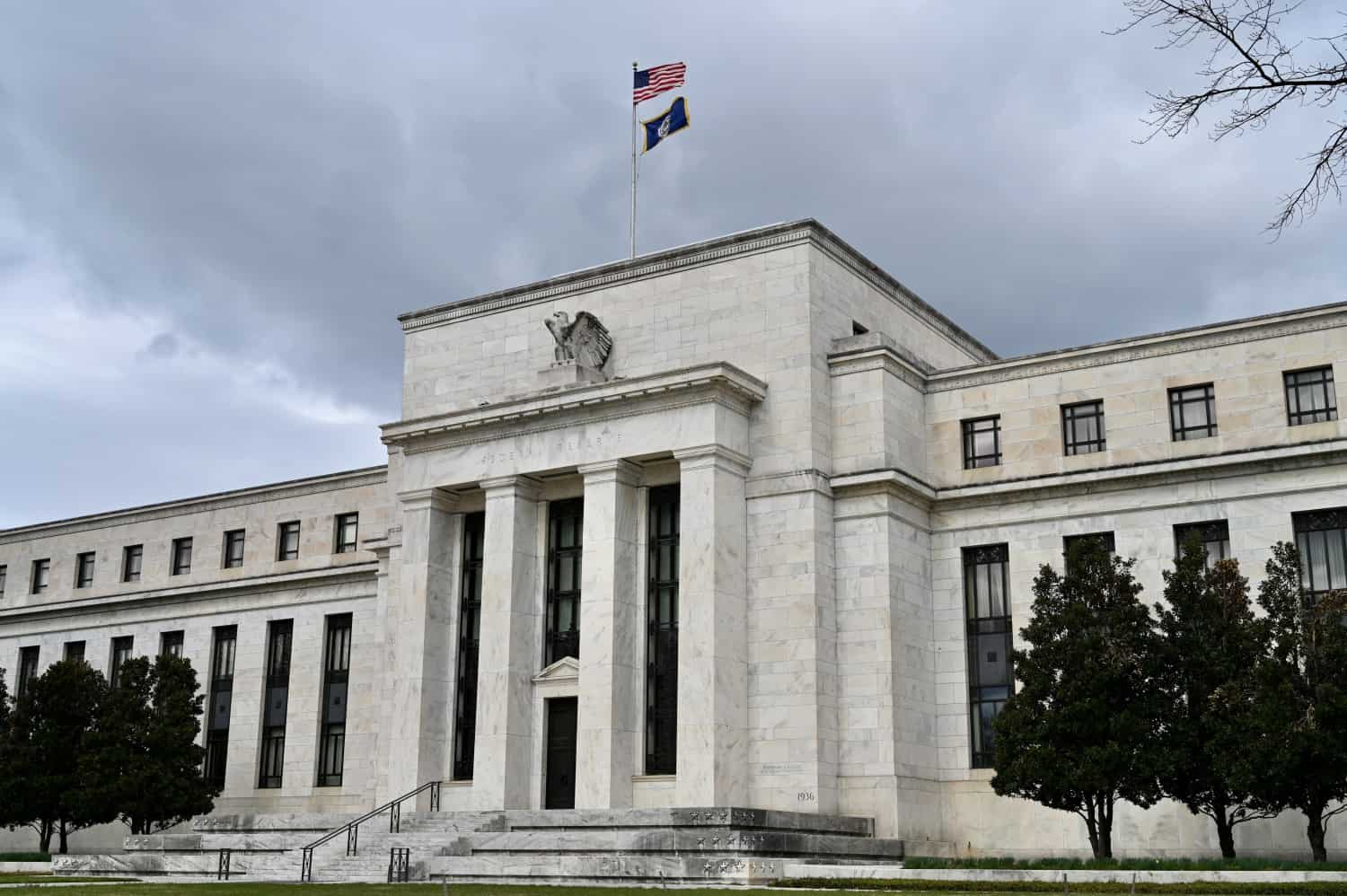

WASHINGTON, US – US economic growth lost steam in the first quarter this year, said the Commerce Department on Thursday, as the possibility of a mild recession brews while consumer spending weakens.
Consumption has provided a boost to the world’s biggest economy, giving it a strong start to 2023, but recent banking sector turmoil and rising interest rates are likely to weigh on the outlook.
US gross domestic product rose at an annual rate of 1.1 percent in the January to March period, down from 2.6 percent in the fourth quarter last year.
“Compared to the fourth quarter, the deceleration in real GDP in the first quarter primarily reflected a downturn in private inventory investment and a slowdown in nonresidential fixed investment,” said the Commerce Department.
It added that this was partly offset by an acceleration in consumer spending and an upturn in exports.
The GDP growth figure “reflected increases in consumer spending, exports, federal government spending,” along with some forms of investment, said the department in a statement.
Economic activity has been easing as the US central bank rapidly hiked the benchmark lending rate to tackle stubborn inflation, while the full fallout from recent financial sector unrest –- following the failures of three midsized lenders last month -– is yet to be seen.
Dangerous to extrapolate
Retail sales had bounced in January, likely helped by mild weather, but Ian Shepherdson and Kieran Clancy of Pantheon Macroeconomics cautioned that “it would be dangerous” to extrapolate from apparent strength in the first three months.
February and March figures “revealed a lack of momentum, which we expect to persist in the second quarter,” they added in a note.
Consumers may have been willing to continue spending as they ate into pandemic-era savings, but the rate of rundown has slowed, Shepherdson and Clancy said.
Meanwhile, banking sector stress could bring tighter credit conditions, making it harder for households and businesses to get loans.
Recent unrest in the banking system and tighter lending standards is expected to result in a more severe recession than anticipated in the second quarter, though this will still be a mild downturn, Ryan Sweet of Oxford Economics told AFP ahead of the latest release.
“Our business cycle indicator shows the economy lost momentum in February and is close to turning negative,” he said.
While large American banks have emerged relatively unscathed from recent pressures, “the turmoil may not yet be over and uncertainty is high,” said Sweet.
“The economic costs have yet to be fully felt as banks are tightening lending standards and deposits at small banks have plunged,” he said.