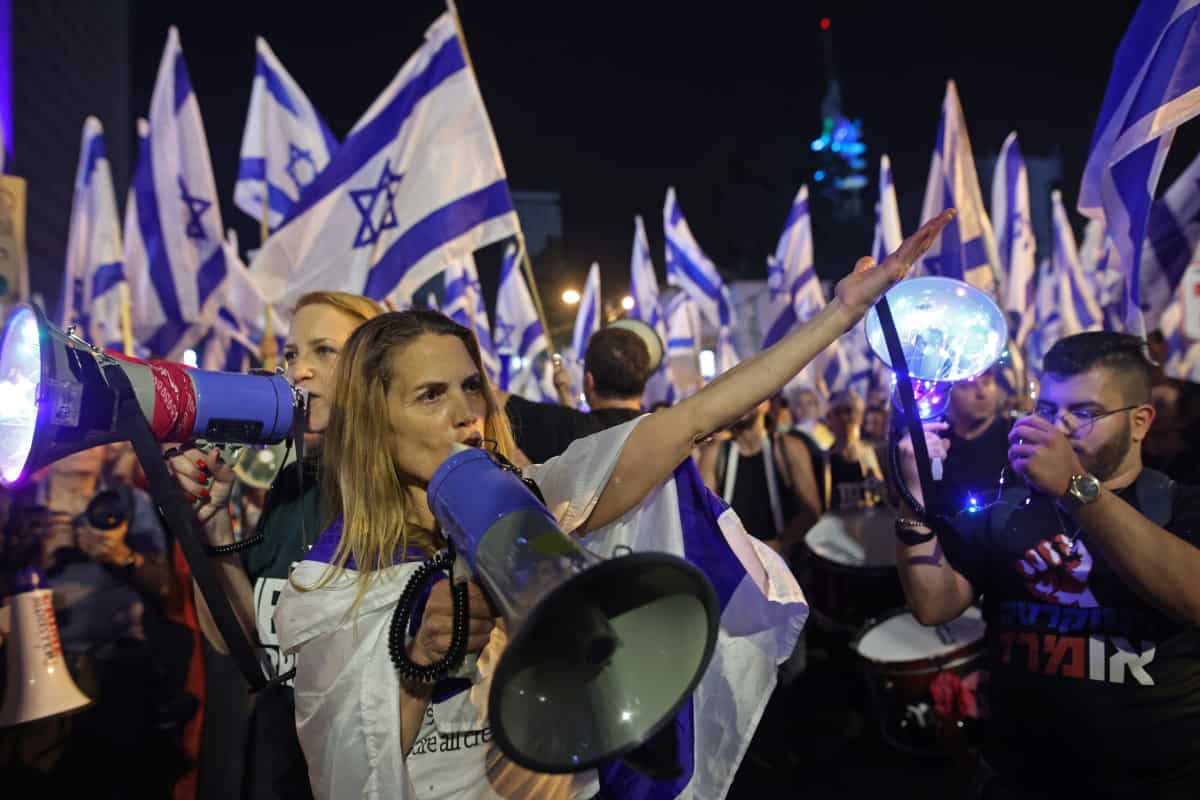

Tel Aviv, Israel— Israeli demonstrators crowded Tel Aviv late Saturday for another protest against Prime Minister Benjamin Netanyahu’s plans to reform the judiciary, despite the process being put on hold.
Organisers said around 258,000 people attended, but police gave no figures of their own.
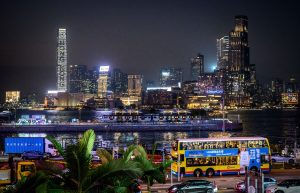
The demonstration came a day after a car-ramming attack on the city’s seafront killed an Italian visitor and injured seven other tourists.
Violence has surged since Israeli police stormed Al-Aqsa mosque in Jerusalem on Wednesday after they said Palestinians barricaded themselves inside.
Israel bombarded both Gaza and Lebanon in response to subsequent rocket fire by Palestinian militants.
Protesters on Saturday brandished signs reading “Save democracy!”, “Freedom for all!” and “Netanyahu is leading us to war”.
Other, smaller, demonstrations took place in the central city of Kfar Saba, at Haifa in the north and in Jerusalem.
Thousands of protesters, sometimes tens of thousands, have been taking to the streets each week since the reform plans were announced in January by Netanyahu’s government, which was formed in December.
On March 27, he announced a “pause” to allow for dialogue on the reforms which were moving through parliament and split the nation.
Netanyahu last month had announced the firing of his defence minister, Yoav Gallant, who cited a threat to national security because “the growing social rift” had made its way into the army and security agencies.
The proposals would curtail the authority of the Supreme Court and give politicians greater powers over the selection of judges.
Opponents have raised fears for Israel’s democracy but the government, a coalition between Netanyahu’s Likud party and extreme-right and ultra-Orthodox Jewish allies, argues the changes are needed to rebalance powers between lawmakers and the judiciary.
Israel’s attorney general had warned Netanyahu, just prior to the pause, against any intervention in changes to the judicial system because of conflicts of interest. The prime minister is on trial over charges of bribery, fraud and breach of trust, which he denies.